Dental laboratory technology has changed dramatically over the past two decades. Today, dentists across the Greater Phoenix area are rethinking how they work with their dental labs. The shift from analog to digital workflows is one of the most significant changes the profession has ever seen.
Understanding the digital vs traditional lab debate helps dentists make smarter decisions for their practices and their patients. Both approaches have real strengths. However, digital workflows offer advantages that are hard to ignore in today’s fast-moving clinical environment.
At Dentek Digital, we were among the earliest adopters of digital CAD/CAM dentistry in the country. We have seen firsthand how this technology transforms outcomes for dental practices throughout Phoenix, Scottsdale, Mesa, and beyond.
What Is a Traditional Dental Laboratory Workflow?
Traditional dental lab workflows rely on physical impressions, hand-poured stone models, and skilled manual fabrication. A dentist takes a conventional impression using impression material and ships it to the lab. The lab then pours a stone model and hand-crafts the restoration.
This process has worked well for generations of dental professionals. Many highly skilled technicians have built careers around these analog techniques. However, the traditional process comes with real limitations in speed, consistency, and communication.
Common Steps in a Traditional Workflow
- Physical impression: The dentist takes a tray impression using PVS or polyether material.
- Model pouring: The lab pours dental stone to create a working model.
- Hand wax-up: Technicians sculpt restorations in wax before casting or pressing.
- Manual finishing: Each restoration is hand-stained, glazed, and polished.
- Physical shipping: Cases travel back and forth by courier or mail.
Each of these steps introduces potential variables. For example, a distorted impression or a poorly poured model can affect the final fit. Additionally, shipping adds days to an already lengthy turnaround.
What Is a Digital Dental Laboratory Workflow?
A digital workflow replaces physical impressions and stone models with intraoral scans and three-dimensional digital files. The dentist scans the patient’s mouth with an intraoral scanner and transmits the file directly to the lab. As a result, the case arrives faster and with greater accuracy.
At the lab, skilled technicians use CAD software to design the restoration on screen. Next, a milling machine or 3D printer fabricates the case from high-quality dental materials. The result is a precise, reliable restoration that is ready for delivery in less time.
Core Components of a Digital Workflow
- Intraoral scanning: Captures a precise 3D digital impression of the prepared tooth and surrounding tissues.
- CAD design: Technicians design the restoration digitally, with the ability to adjust margins, contacts, and occlusion.
- CAM milling or 3D printing: Machines fabricate the restoration from zirconia, lithium disilicate, PMMA, or other materials.
- Digital communication: Labs and dentists share files, photos, and notes instantly through secure portals.
Furthermore, every digital file is stored and retrievable. This means a dentist in Gilbert or Chandler can request a remake or modification without starting from scratch. The digital record stays on file for future reference.
Key Differences: Digital vs Traditional Lab
When comparing the digital vs traditional lab experience, several practical differences stand out. These differences affect daily clinical workflows, patient experience, and overall case quality.
Accuracy and Fit
Traditional impressions can distort during setting, removal, or shipping. Even small distortions can affect the final fit of a crown or bridge. On the other hand, digital scans capture precise data without material distortion.
CAD/CAM design software also allows technicians to evaluate contacts, margins, and occlusion before fabrication begins. Therefore, potential issues are caught and corrected in the design phase rather than after delivery.
Turnaround Time
Traditional workflows add shipping time to every case. A case that ships from a Tempe or Mesa dental office may take several days to arrive and return. Digital workflows eliminate physical shipping entirely for many case types.
Because files transfer instantly, the lab can begin working the same day the scan is taken. This shorter timeline benefits both the practice and the patient. Moreover, practices can offer faster provisional solutions when digital records are available.
Communication and Collaboration
Traditional lab communication often relies on written prescription forms and phone calls. Misunderstandings about shade, design, or occlusion can lead to remakes. Digital workflows change this completely.
Labs and dentists can share annotated photos, digital design previews, and shade selection images in real time. For example, a Scottsdale-based dentist can view a 3D design preview before the restoration is milled. This level of collaboration reduces errors and builds stronger lab-doctor relationships.
Material Options
Traditional workflows support a wide range of materials, including metal-ceramic, pressed ceramics, and cast alloys. However, many advanced modern materials are optimized for digital fabrication. Zirconia and lithium disilicate, for instance, perform best when milled with precision CAM equipment.
Additionally, digital workflows unlock material options that are difficult or impossible to achieve by hand. Full-arch zirconia restorations and implant-supported bridges benefit greatly from digital precision.
Where Digital Workflows Make the Biggest Impact
Certain case types benefit especially from digital lab workflows. Dentists in Phoenix and surrounding communities are seeing real improvements in outcomes for these restoration types.
Crowns and Bridges
Single-unit crowns and multi-unit bridges represent the most common cases in any restorative practice. Digital workflows improve fit accuracy and speed for both. Furthermore, digital shade matching tools help technicians achieve more consistent esthetic results.
Implant Restorations
Implant cases require exceptional precision at every step. Digital implant planning allows the surgical and restorative teams to collaborate before the first incision. As a result, implant placement aligns perfectly with the planned restoration. Dentek Digital offers advanced digital implant planning services for exactly this reason.
Splints and Nightguards
Occlusal splints and nightguards fabricated from digital scans fit more accurately than those made from physical impressions. Better fit means better patient compliance and improved therapeutic outcomes. Additionally, digital records make it easy to fabricate replacements without retaking impressions.
Removable Prosthetics
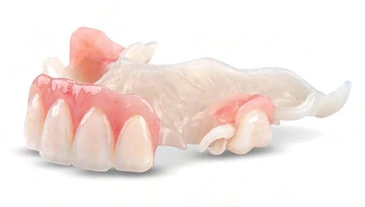
Digital workflows are increasingly being applied to removable prosthetics, including complete and partial dentures. Digital denture fabrication offers improved fit, faster turnaround, and the ability to archive digital records for future replacements.
Challenges of Transitioning to a Digital Workflow
Switching from a traditional to a digital workflow requires investment and a learning curve. Many dental practices in the Phoenix metro area have questions about how to make the transition smoothly. Therefore, it helps to work with a lab that actively supports the process.
Initial costs for intraoral scanners can be significant. However, the long-time reduction in remakes and improved case acceptance often offset these costs over time. Most dentists who make the switch report that they would not return to traditional methods.
Training is another consideration. Dental teams need time to become comfortable with digital scanning techniques. Meanwhile, partnering with a responsive digital lab makes this learning curve much easier to navigate.
Dentek Digital works closely with dental practices across Greater Phoenix to support a smooth transition. Contact Dentek Digital to discuss your case workflow and explore how we can support your practice.
The Role of Skilled Craftsmanship in a Digital Lab
Some dentists worry that digital workflows remove the human element from dental lab work. In reality, skilled technicians remain essential to the process. Digital tools do not replace craftsmanship — they enhance it.
At Dentek Digital, our technicians combine cutting-edge technology with years of hands-on expertise. CAD software allows for precise design, but experienced eyes and skilled hands ensure every restoration meets our quality standards. Furthermore, custom characterization and hand-finishing still require artistry that no machine can fully replicate.
The best digital labs are not simply machine operators. They are highly trained dental professionals who use technology as a precision instrument.
Frequently Asked Questions: Digital vs Traditional Lab
Do I need a specific intraoral scanner to work with a digital lab?
Most digital labs, including Dentek Digital, accept files from all major intraoral scanner brands. Therefore, you do not need to purchase a specific device. We work with whatever scanner your practice uses.
Are digital restorations stronger than traditional ones?
Digital restorations milled from high-strength materials like zirconia can be very durable. Material strength depends on the specific product chosen, not the workflow alone. However, digital fabrication often reduces internal voids and inconsistencies found in some traditional casting methods.
Can I still use a digital lab if I take physical impressions?
Yes. Many digital labs can scan your physical impressions or stone models and convert them to digital files. This hybrid approach allows practices to begin benefiting from digital workflows without a full scanner investment.
How does digital workflow affect turnaround time?
Digital workflows significantly reduce turnaround times for most case types. Because files transmit instantly, labs can begin work the same day the scan is submitted. As a result, practices in areas like Mesa, Gilbert, and Chandler can receive cases faster than with traditional shipping methods.
Is digital dentistry suitable for complex implant cases?
Absolutely. Digital workflows are especially valuable for implant restorations. Digital implant planning, surgical guides, and CAD/CAM-fabricated implant crowns all benefit from the precision that digital technology provides.
Partner With Dentek Digital for Advanced Dental Lab Services
Dentek Digital is proud to serve dental practices throughout the Greater Phoenix area, including Scottsdale, Tempe, Mesa, Chandler, and Gilbert. We are a nationally recognized digital dental lab and one of the earliest pioneers of the digital CAD/CAM workflow in the country.
We offer a full range of restorative solutions, including fixed restorations, removables, splints and nightguards, dental implants, and advanced services like TattooTH and digital implant planning. Our team combines rapidly evolving technology with skilled craftsmanship to deliver precise, reliable results for every case.
Whether you are fully digital, transitioning, or still using traditional impressions, we are here to support your practice. Our goal is to help you deliver the best possible outcomes for your patients. Send us a case and experience the Dentek Digital difference for yourself.