
Every dentist wants restorations that last. Crown longevity is one of the most important factors in patient satisfaction and long-term clinical success. When a crown fails prematurely, it costs the patient time, money, and trust. Therefore, understanding what drives lasting results is essential for every dental practice.
Digital dentistry has changed the way dental labs fabricate crowns. Advanced CAD/CAM dentistry workflows allow for remarkable precision at every step. As a result, dental professionals across the Greater Phoenix area are seeing better outcomes with fewer remakes and adjustments.
At Dentek Digital, we partner with dentists in Phoenix, Scottsdale, Mesa, Chandler, and beyond to deliver crowns that are built to perform. In this post, we break down the key factors that influence how long a crown lasts — and how digital lab technology supports better results.
Why Crown Longevity Matters for Your Practice
A crown that lasts protects your patients and your reputation. Moreover, long-lasting restorations reduce the chair time your team spends on repairs and remakes. Every failed crown represents a breakdown somewhere in the process — from preparation to materials to fit.
Fortunately, most of the major failure points are preventable. Additionally, the shift to digital workflows has given labs and clinicians powerful new tools to address these issues head-on. Understanding where crowns commonly fail is the first step toward avoiding those failures.
Common Reasons Crowns Fail Early
Crown failure rarely happens by accident. Instead, it usually traces back to one or more identifiable causes. Here are the most common culprits:
- Poor marginal fit: Gaps at the margin allow bacteria and moisture to penetrate, leading to decay and cement washout.
- Occlusal imbalance: When bite forces are uneven, crowns experience stress they were not designed to handle.
- Material selection mismatch: Using the wrong crown material for a patient’s bite habits or location in the arch shortens lifespan significantly.
- Inadequate preparation: Insufficient reduction can compromise the strength of even the best material.
- Cement failure: Selecting the wrong cementation protocol for the material type leads to debonding or microleakage.
Because of this, every step in the restorative workflow matters. Meanwhile, digital technology addresses several of these failure points directly through improved accuracy and communication between the clinician and the lab.
How CAD/CAM Technology Supports Longer-Lasting Crowns
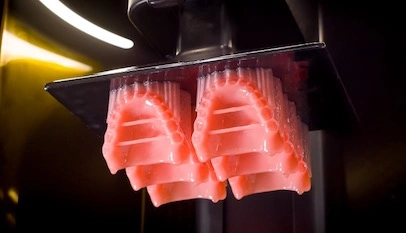
Digital fabrication has raised the bar for crown precision. CAD/CAM systems allow lab technicians to design restorations with a level of consistency that manual methods simply cannot match. Furthermore, digital design files capture fine details that can be reviewed, refined, and repeated with accuracy.
At Dentek Digital, we were one of the earliest adopters of digital CAD/CAM workflows in the country. Therefore, our team brings years of hands-on experience to every case we receive from practices in Phoenix, Gilbert, Tempe, and Scottsdale.
Precision Margins and Fit
One of the biggest contributors to crown longevity is a tight, accurate margin. Digital impressions and CAD/CAM milling eliminate much of the variability that comes with traditional impression materials. As a result, crowns arrive with consistently precise margins that seat predictably and seal reliably.
Even small improvements in marginal fit can have a meaningful impact on long-term outcomes. Additionally, when labs receive high-quality digital scans, they can design restorations that reflect the patient’s actual anatomy — not an approximation of it.
Occlusal Design and Bite Function
A well-designed crown must do more than look good. It also needs to function correctly within the patient’s bite. Digital design software allows technicians to visualize and refine occlusal contacts before the restoration is ever milled. Therefore, adjustments happen virtually rather than on the patient’s tooth.
This approach reduces the need for chairside grinding and reshaping. Moreover, it helps preserve the structural integrity of the final restoration. A crown that requires minimal adjustment at delivery is a crown that will last longer.
Choosing the Right Material for the Patient
Material selection is one of the most influential decisions in any restorative case. However, there is no single material that works best for every situation. The right choice depends on where the tooth is located, how the patient bites, and what aesthetic expectations exist.
Zirconia has become a leading choice for posterior crowns because of its exceptional strength and durability. Furthermore, modern zirconia formulations offer improved translucency, making them increasingly suitable for anterior cases as well. On the other hand, layered porcelain or lithium disilicate may be preferred when aesthetics are the top priority.
Zirconia: A Strong Choice for Crown Longevity
Zirconia is particularly well-suited to patients who brux or have heavy occlusal loads. Because of this, it has become the go-to material for many dentists treating patients in demanding bite conditions. Its resistance to fracture and wear makes it a reliable option for long-term crown performance.
At Dentek Digital, our zirconia restorations are milled from high-quality blanks and finished by skilled technicians. Additionally, we work closely with referring dentists to match material selection to each patient’s clinical needs. This collaborative approach is a key reason our crowns perform well over time.
Matching Material to Cementation Protocol
Material choice must align with the correct cementation protocol. For example, zirconia crowns require specific adhesive or resin cement systems to achieve the bond strength needed for long-term retention. Using the wrong cement — even with a well-made crown — can lead to early failure.
Therefore, we encourage dentists to communicate clearly about material type when planning their cementation approach. In addition, our lab team is always available to answer questions about protocol recommendations for any restoration we fabricate.
Have a case in mind? Contact Dentek Digital to discuss material selection and get started on your next restoration.
The Role of Clinical Preparation in Crown Success
Even the best lab work cannot overcome a poorly prepared tooth. Adequate reduction gives the crown room to achieve proper thickness and strength. Additionally, clean, well-defined margins give the lab a clear target to work to. These clinical fundamentals remain essential regardless of the technology used.
Digital workflows actually make preparation quality more visible. High-resolution intraoral scans reveal margins with clarity, so any concerns can be flagged before fabrication begins. As a result, problems are caught early — not after the crown has already been made.
Communication Between Clinician and Lab
Strong outcomes depend on strong communication. When a dentist submits a case with clear notes, accurate shading, and quality scans, the lab can produce a more accurate result. Furthermore, digital case submission makes this communication faster and more reliable than traditional analog methods.
At Dentek Digital, we make it easy for practices across Mesa, Chandler, and the broader Phoenix metro to submit cases digitally and stay informed throughout the process. Our team reviews every incoming case carefully before fabrication begins. This extra step helps us catch potential issues early.
Patient Habits and Long-Term Maintenance
Crown longevity is not solely a lab or clinical issue. Patient behavior plays a meaningful role as well. However, clinicians can take steps to protect their restorations even in challenging patient situations.
For patients who grind or clench, a night guard is an important protective measure. Additionally, patients with poor oral hygiene need extra coaching on how to care for crowned teeth. Finally, regular recall appointments allow clinicians to monitor restorations and catch early warning signs before they become failures.
Protecting Crowns with Occlusal Appliances
Bruxism is a significant threat to crown longevity, particularly for posterior restorations. Therefore, many dentists recommend a custom night guard for any patient receiving a crown who also shows signs of parafunctional habits. This simple step can extend the life of a restoration considerably.
Dentek Digital fabricates high-quality splints and nightguards alongside our crown and bridge work. As a result, your practice can order protective appliances from the same trusted lab that makes your restorations. This keeps your workflow streamlined and consistent.
Frequently Asked Questions About Crown Longevity
What material offers the best crown longevity for posterior teeth?
Zirconia is generally considered one of the strongest options for posterior crowns. It resists fracture well and handles heavy occlusal forces effectively. However, the best material for any patient depends on their specific clinical situation.
How does digital fabrication improve crown fit compared to traditional methods?
Digital workflows reduce the variability introduced by traditional impression materials and manual waxing. As a result, CAD/CAM-milled crowns tend to have more consistent margins and more predictable seating. This precision directly supports longer-lasting restorations.
Can a well-made crown still fail?
Yes. Even a high-quality crown can fail if cementation protocol is incorrect, the patient bruxes without a nightguard, or oral hygiene is poor. Therefore, crown longevity is a shared responsibility between the lab, the clinician, and the patient.
How should I submit a case to Dentek Digital for a zirconia crown?
We accept digital submissions from practices throughout the Greater Phoenix area, including Scottsdale, Tempe, Gilbert, and Chandler. You can submit your scan, shade information, and case notes through our online portal. Our team will review your case and begin fabrication promptly.
Does Dentek Digital offer support for material selection?
Absolutely. Our experienced team is happy to discuss material options based on the clinical details of your case. We work collaboratively with referring dentists to ensure every restoration is built with the right material for the patient’s needs.
Partner with Dentek Digital for Better Crown Outcomes
Crown longevity starts with the right lab partner. At Dentek Digital, we combine leading digital CAD/CAM technology with the craftsmanship of experienced technicians to deliver restorations that perform. We are proud to serve dentists and dental practices across Phoenix, Scottsdale, Mesa, Chandler, Gilbert, Tempe, and the surrounding communities.
Whether you are looking to reduce remakes, improve fit, or explore new materials for your patients, our team is ready to help. Furthermore, our digital workflow makes it easy to submit cases, track progress, and stay connected throughout the fabrication process.
Explore your options and take the next step toward better crown outcomes. Reach out to the Dentek Digital team today — we look forward to supporting your practice and your patients.