Getting a dental restoration right the first time matters. For dentists across Greater Phoenix, even small adjustments at the delivery appointment can cost valuable chair time. Printed try ins offer a smarter way to confirm fit, bite, and aesthetics before the final restoration is ever fabricated.
This approach is changing how dental practices work with digital labs. Therefore, more dentists in cities like Mesa, Scottsdale, Chandler, and Gilbert are asking about this workflow every week. The results speak for themselves.
At Dentek Digital, we work alongside dental professionals to bring the most advanced digital workflows to their practices. In addition, we help them understand exactly how each step improves patient outcomes. Let’s break down what printed try ins are and why they matter.
What Are Printed Try-Ins?
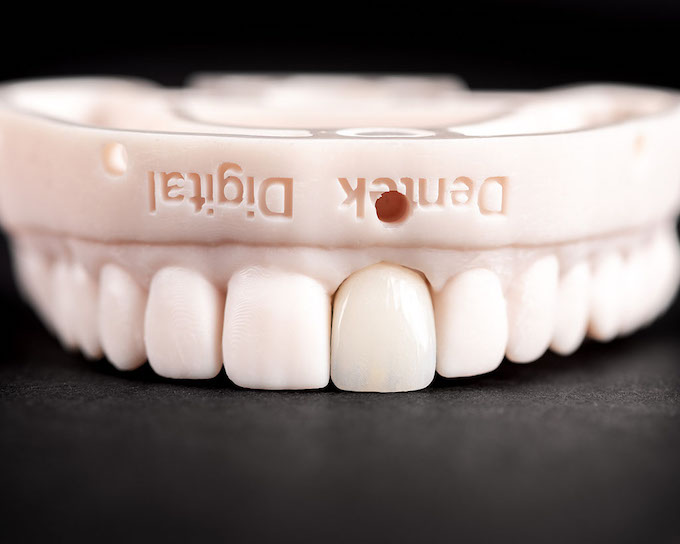
A printed try-in is a replica of the planned final restoration. It is fabricated using 3D printing technology from the same digital design file. However, it is made from a temporary, cost-effective resin rather than the final material.
The dentist seats the printed try-in in the patient’s mouth before the definitive restoration is milled or pressed. This allows for a real-world check of shape, contour, occlusion, and esthetics. As a result, any changes are caught early in the process.
This is a key part of the modern CAD/CAM dentistry workflow. Digital design files can be refined quickly based on try-in feedback. Furthermore, no material is wasted on a final restoration that needs significant rework.
How Printed Try-Ins Differ From Traditional Wax Try-Ins
Traditional wax try-ins have been used in removable prosthodontics for decades. They serve a similar purpose, but they have real limitations. Wax is fragile and does not behave like a final restoration.
Printed try-ins, on the other hand, are far more durable. They can withstand normal bite forces during the appointment. Moreover, they give the patient and dentist a much more accurate preview of the final result.
Additionally, printed try-ins can be produced directly from a digital scan. There is no need for a physical impression or a hand-sculpted wax model. This speeds up the entire workflow considerably.
Why Printed Try-Ins Improve Case Outcomes
The primary goal of any dental restoration is a precise fit with natural-looking esthetics. Achieving that goal on the first attempt saves everyone time. Printed try-ins make that goal far more realistic.
Because of this, practices that use this workflow tend to experience fewer remakes. Fewer remakes mean lower costs and happier patients. Therefore, the return on this step is easy to see across any busy dental practice.
Verifying Fit and Margins Before Final Fabrication
Marginal accuracy is one of the most critical factors in a successful restoration. Even a small gap can lead to sensitivity or long-term failure. First, the printed try-in lets the dentist confirm that margins seat properly at the appointment.
Next, any issues can be flagged and communicated back to the lab digitally. The design file is then adjusted before final fabrication begins. This loop is fast, clear, and efficient.
For practices in Chandler or Gilbert, this means less back-and-forth with couriers. Digital communication keeps the case moving without delay. As a result, patients get their final restorations faster.
Confirming Occlusion and Bite
Bite issues are one of the top reasons patients return after a restoration delivery. A high bite causes discomfort and can lead to tooth sensitivity. Printed try-ins allow the dentist to check occlusion thoroughly in advance.
The try-in is seated and the patient bites down naturally. The dentist marks any high spots or interference areas. Then, that information is sent back to the lab so the final design is corrected before milling.
This is especially valuable for full-arch cases and implant-supported restorations. Furthermore, it gives the patient confidence in the final outcome before any irreversible steps are taken.
Esthetic Approval From the Patient
Patients care deeply about how their smile looks. This is especially true for anterior restorations like crowns on front teeth or full smile makeovers. Printed try-ins let the patient see and feel the shape before anything is finalized.
Moreover, patients can smile, speak, and assess comfort during the try-in appointment. This gives them genuine input into the final result. As a result, patient satisfaction scores tend to improve when this step is used.
Dentists in Scottsdale and Tempe regularly work with image-conscious patients. For those practices, the esthetic verification step is not optional. It is a core part of delivering an exceptional experience.
Printed Try-Ins in Full-Arch and Implant Cases
Full-arch cases involve significant complexity and investment. A single miscalculation in vertical dimension or arch form can affect the entire outcome. Therefore, printed try-ins are especially valuable in these cases.
The lab produces a full-arch try-in from the digital design. The dentist seats it at a dedicated try-in appointment. Then, the patient and doctor evaluate every aspect together before finalizing anything.
Verifying Vertical Dimension of Occlusion
Vertical dimension of occlusion, or VDO, refers to the measured height of the face when the teeth are together. Setting VDO correctly is essential in full-arch reconstructions. An inaccurate VDO can cause joint discomfort, muscle fatigue, and speech issues.
Printed try-ins make it possible to test the planned VDO in the mouth before committing to final materials. Adjustments are simple at this stage. However, they become costly and complex after final fabrication.
For implant cases in Mesa or Phoenix, this verification step can prevent serious complications. The lab and the dentist work together using digital data to dial in the correct VDO. This collaborative process is one of the biggest advantages of a fully digital workflow.
Supporting the Digital Implant Planning Workflow
At Dentek Digital, we offer advanced digital implant planning services. Printed try-ins integrate naturally into this workflow. After the implant positions are planned digitally, a try-in can preview the planned prosthetic outcome.
The dentist can confirm that the prosthetic design aligns with the surgical plan. Furthermore, the patient can visualize and approve the final result ahead of time. This level of planning reduces surprises at every stage of treatment.
Are you working on a complex implant case? Contact Dentek Digital to discuss how printed try-ins and digital implant planning can work together for your next case.
How the Printed Try-In Workflow Works With Dentek Digital
The process is straightforward and integrates with your existing digital workflow. Most dentists who already use intraoral scanners can adopt this step with no major changes. Here is a general overview of how it works.
- Step 1: The dentist submits a digital scan and case details to the lab.
- Step 2: Dentek Digital designs the restoration using CAD software.
- Step 3: A printed try-in is fabricated from the digital design file.
- Step 4: The try-in is delivered to the practice for the try-in appointment.
- Step 5: The dentist evaluates fit, occlusion, and esthetics with the patient.
- Step 6: Feedback is communicated back to the lab digitally.
- Step 7: The final restoration is fabricated after all approvals are confirmed.
This streamlined process keeps the case on track. Additionally, it gives both the dentist and the patient confidence at every step. The digital file lives at the center of the entire workflow, making revisions clean and precise.
Which Restoration Types Benefit Most From Printed Try-Ins
Printed try-ins are not limited to one type of restoration. They are versatile tools that support a wide range of cases. However, some case types benefit more than others.
The following restoration types are strong candidates for a printed try-in step:
- Full-arch fixed restorations — where fit, bite, and esthetics must all align precisely
- Implant-supported crowns and bridges — where access is limited and remakes are costly
- Anterior crowns and veneers — where patient esthetic approval is essential
- Full-arch removable cases — where VDO and tooth position must be confirmed
- Smile makeovers — where multiple units require coordinated approval
Even single-unit posterior crowns can benefit when fit accuracy is a priority. Therefore, many practices choose to use printed try-ins as a standard protocol rather than a case-by-case option.
Frequently Asked Questions About Printed Try-Ins
Are printed try-ins only for complex cases?
No. Printed try-ins work for single units as well as full-arch cases. However, they deliver the most significant benefit in complex, high-stakes restorations where remakes are expensive and disruptive.
Do printed try-ins add significant time to the case?
They add one extra appointment step, but they often save time overall. Catching problems before final fabrication eliminates remake appointments. As a result, the total case timeline is frequently shorter when try-ins are used.
Can printed try-ins be used with any intraoral scanner?
Yes. Because the process is digital, it works with scans from most major intraoral scanner brands. The digital file is what drives the design and printing process. Therefore, your existing equipment is likely already compatible.
How durable is the printed try-in material?
Try-in resins are strong enough for clinical evaluation but are not designed for long-term wear. They allow the dentist to check fit and occlusion accurately during the appointment. Moreover, they give the patient a realistic preview without committing to final materials.
Does Dentek Digital offer printed try-ins for removable cases?
Yes. Dentek Digital fabricates printed try-ins for both fixed and removable cases. In addition, our team can guide you through how to incorporate this step into your specific case workflow. Reach out to explore your options with one of our experienced technicians.
Partner With Dentek Digital for Smarter Restoration Workflows
Printed try-ins represent one of the clearest advantages of a fully digital dental lab workflow. They reduce remakes, improve esthetic outcomes, and give patients a voice in their treatment. Furthermore, they reflect the precision and care that every restoration deserves.
At Dentek Digital, we are proud to be a recognized leader in digital dentistry across Greater Phoenix. We serve dental practices in Phoenix, Scottsdale, Mesa, Tempe, Chandler, Gilbert, and beyond. Our team brings advanced technology and skilled craftsmanship to every case we receive.
Whether you are considering printed try-ins for the first time or looking to refine your current workflow, we are here to help. Send us a case and experience the difference that a truly digital lab makes for your practice and your patients.