
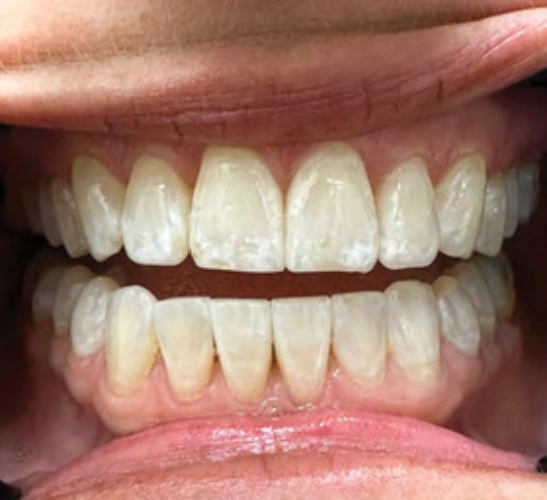
When it comes to implant restorations, the details matter. Cement retained implant crowns remain one of the most widely used restoration choices among dental practices — and for good reason. They offer a natural appearance, reliable retention, and a streamlined delivery process that many clinicians prefer.
However, choosing the right lab partner is just as important as choosing the right restoration type. A well-fabricated cement-retained crown depends on precise margins, accurate emergence profiles, and digital workflows that reduce error at every stage.
At Dentek Digital, we specialize in high-quality CAD/CAM restorations for dental practices across the Greater Phoenix, Arizona area — including communities like Scottsdale, Chandler, Gilbert, and Mesa. Our digital-first approach means your restorations are built with accuracy from the start.
What Are Cement-Retained Implant Crowns?
A cement-retained implant crown is a type of single-unit implant restoration. It is cemented directly onto an abutment that is screwed into the implant fixture. Unlike screw-retained crowns, there is no access hole through the occlusal surface.
This design offers several practical advantages. For example, it allows for better aesthetics because there is no need to mask a screw access channel. Additionally, the occlusal surface remains fully intact, which can support more natural wear patterns over time.
How Cement-Retained Crowns Differ from Screw-Retained Options
Both restoration types have their place in modern implant dentistry. However, they serve different clinical needs. Screw-retained crowns are retrievable without cutting through the crown material. On the other hand, cement-retained crowns are generally easier to seat and can offer superior esthetics in certain cases.
Therefore, the best choice depends on implant angulation, esthetic zone placement, and the clinician’s preference. A knowledgeable lab partner can help you evaluate which option fits each case.
Common Abutment Types Used
Cement-retained crowns typically seat over prefabricated or custom abutments. Custom CAD/CAM abutments are often preferred because they are designed specifically for each patient’s anatomy. As a result, the emergence profile and margin placement are far more predictable.
At Dentek Digital, we fabricate custom abutments using advanced digital design software. This ensures a precise fit and a cleaner margin for cement seating.
The CAD/CAM Advantage in Implant Crown Fabrication
Digital technology has transformed how dental labs fabricate implant restorations. Traditional analog workflows relied heavily on manual impression techniques and physical models. Today, digital scanning and CAD/CAM milling produce restorations with significantly greater consistency.
Furthermore, the digital workflow reduces the number of steps between the dentist’s chair and the final restoration. Fewer steps mean fewer opportunities for error. This benefits both the dental practice and the patient.
Why Digital Impressions Improve Implant Outcomes
Digital impressions capture implant scan body positions with a high level of detail. Because of this, the lab receives accurate data to design the crown and abutment from the start. There is less guesswork, and adjustments are made virtually before any material is cut.
Additionally, digital files can be reviewed, revised, and approved quickly. This speeds up turnaround times and reduces the back-and-forth that slows down traditional lab work.
Materials Used for Cement-Retained Implant Crowns
Material selection plays a major role in long-term performance. At Dentek Digital, we work with a range of high-quality materials suited for implant crowns. These include zirconia, lithium disilicate, and PFM (porcelain-fused-to-metal) options depending on the clinical situation.
Zirconia is a popular choice because of its strength and natural appearance. Moreover, it performs well in both anterior and posterior implant cases. Lithium disilicate is often selected for its translucency in esthetic zones.
Clinical Considerations for Dental Practices
Understanding the clinical details of cement-retained implant crowns helps practices deliver better outcomes. There are several key factors to keep in mind when planning these cases.
Margin Depth and Cement Management
One of the most discussed challenges with cement-retained restorations is subgingival cement excess. Residual cement left in the sulcus can lead to peri-implant complications. Therefore, margin placement and cement management are critical steps.
Ideally, the abutment margin should be placed just at or slightly below the gingival margin. This makes it easier to remove excess cement after seating. Additionally, some clinicians use a technique of seating the crown on the abutment outside the mouth first to control cement placement.
Implant Angulation and Case Selection
Cement-retained crowns work well when the implant is placed in a favorable angulation. In cases where the implant axis is significantly off-center, a custom angled abutment can correct the emergence angle. As a result, the crown seats more naturally and the esthetics are improved.
Practices across the Phoenix metro area — including those in Tempe and Gilbert — regularly rely on Dentek Digital’s custom abutment design to solve complex angulation challenges. We work closely with each practice to find the right solution for each case.
Occlusal Planning for Long-Term Success
Implant crowns do not have the same proprioceptive feedback as natural teeth. Because of this, occlusal design requires careful attention. Overloading an implant crown can lead to complications over time.
Therefore, it is important to design the occlusion with light contacts in centric and reduced contacts in excursive movements. Our team at Dentek Digital accounts for these factors during the crown design phase.
How Dentek Digital Supports Implant Cases
Dentek Digital was one of the earliest adopters of digital CAD/CAM workflows in the country. We have built our reputation on precision, reliability, and genuine partnership with dental professionals.
Our lab serves dental practices throughout the Greater Phoenix area, including Scottsdale, Mesa, Chandler, and Gilbert. We understand the needs of busy practices. Furthermore, we know that implant cases require a higher level of attention and communication.
Our Digital Implant Workflow
When you send us an implant case, we begin with a thorough review of the scan data and prescription. Next, our technicians design the abutment and crown using advanced software. Then, we mill and finish the restoration using premium materials.
Finally, we conduct a quality check before shipping. Every restoration that leaves our Phoenix lab meets our strict standards for fit, finish, and function. We take pride in getting it right the first time.
Communication and Collaboration
We believe great restorations start with great communication. Our team is available to discuss your cases before, during, and after fabrication. Additionally, we offer digital implant planning services for practices that want a more comprehensive approach to complex cases.
Whether you are in Mesa, Tempe, or across the Phoenix metro, our team is ready to support your implant workflow. We make the process simple and efficient for your practice.
Tips for Getting the Best Results from Your Implant Cases
Here are a few practical tips that can help your practice get the most out of cement-retained implant crown cases:
- Use digital impressions whenever possible. They provide more accurate scan body data and reduce analog errors.
- Communicate margin preferences clearly. Let your lab know your preferred margin depth so the abutment is designed accordingly.
- Choose materials based on clinical need. Esthetic zones and high-load posterior sites require different material considerations.
- Review the design before milling. Many digital labs, including Dentek Digital, offer digital design approval before cutting begins.
- Plan the occlusion carefully. Share any bite records or opposing scans to support accurate occlusal design.
- Document the case thoroughly. Photos and clinical notes help your lab technician understand the full picture.
Frequently Asked Questions About Cement-Retained Implant Crowns
What is the main advantage of a cement-retained implant crown?
Cement-retained crowns offer excellent esthetics and a simpler seating process. They are especially well-suited for esthetic zones where screw access holes would compromise appearance. Additionally, they tend to feel and look more like natural teeth.
Is cement-retained or screw-retained better for implant crowns?
There is no single answer that fits every case. However, cement-retained crowns are often preferred in esthetic areas or where implant angulation makes screw retention difficult. Your lab and your clinical judgment together determine the best approach.
How does CAD/CAM technology improve cement-retained crown accuracy?
CAD/CAM design allows for highly precise margin placement and emergence profile shaping. Because of this, the crown fits more predictably and seats with less adjustment. It also allows for digital design review before any material is committed to milling.
What materials does Dentek Digital use for implant crowns?
We work with zirconia, lithium disilicate, and PFM materials depending on the case. Our team can help you choose the right material based on esthetic requirements, occlusal load, and implant position. We are happy to discuss options for each specific case.
How do I send an implant case to Dentek Digital?
Sending a case is straightforward. You can submit digital scans and a prescription through our case submission process. Our team reviews each case promptly and reaches out if we have any questions. We make the process simple for your practice.
Partner with Dentek Digital for Your Implant Restorations
Dental practices across the Greater Phoenix area trust Dentek Digital for precision implant restorations. We combine advanced digital technology with skilled craftsmanship to deliver results you and your patients can count on.
Whether you are looking for a reliable lab for single-unit cement-retained crowns or complex full-arch implant cases, we are here to help. Our team is experienced, communicative, and committed to your practice’s success.
Ready to elevate your implant restorations? Contact Dentek Digital today to send us a case or discuss your next implant restoration. We look forward to partnering with your practice.