
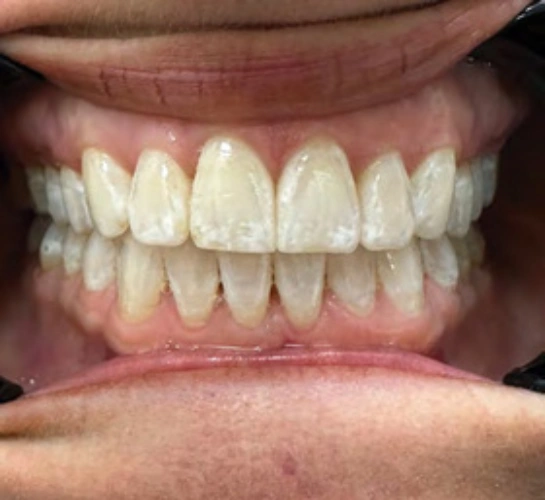
When it comes to implant restorations, selecting the right retention method matters. Cement retained implant crowns remain a popular and effective choice for many clinical situations. They offer excellent esthetics, a natural emergence profile, and a clean occlusal surface that patients and dentists appreciate.
At Dentek Digital, we fabricate high-quality implant crowns using advanced CAD/CAM technology. Our digital workflow produces precise, reliable restorations. We support dentists across the Greater Phoenix, Arizona area, including communities like Mesa, Scottsdale, Tempe, and Chandler.
In this guide, we cover everything you need to know about cement retained implant crowns. We also explain how a digital dental lab can help streamline your implant workflow.
What Are Cement Retained Implant Crowns?
Cement retained implant crowns attach to the implant abutment using dental cement. This is one of two main retention methods. The other is screw retention. Both approaches have strengths, and the right choice depends on the clinical situation.
With cement retention, the crown fits over a custom or stock abutment. The dentist then cements it in place chairside. This process closely mirrors traditional crown cementation. Because of this, many dentists find cement retained restorations familiar and easy to place.
How Does Cement Retention Work?
First, the abutment is placed and torqued to the implant. Next, the crown is fabricated to fit precisely over the abutment. Then, the dentist cements the crown using a temporary or permanent cement. The result is a natural-looking restoration with no visible screw access hole.
Furthermore, cement retention allows for minor adjustments in the lab and at placement. This flexibility is helpful in cases where implant angulation is less than ideal. However, excess cement management is an important step that requires careful technique.
Common Clinical Indications
Cement retained crowns work well in several situations. Here are some common indications:
- Implants with challenging angulation
- Cases where occlusal esthetics are a priority
- Situations requiring easier lab fabrication
- Restorations in the esthetic zone
- Cases where retrievability is less critical
Additionally, cement retention can simplify the restorative workflow in multi-unit cases. Your Dentek Digital technician can help you evaluate which option best fits your patient’s needs.
Benefits of Cement Retained Implant Crowns
Cement retained implant crowns offer several clinical and esthetic advantages. Understanding these benefits helps you make confident treatment decisions for your patients.
Superior Esthetics
One of the biggest advantages is esthetics. Because there is no screw access hole, the occlusal surface remains uninterrupted. This creates a cleaner, more natural appearance. Moreover, this is especially important in the anterior region where esthetics are critical.
At Dentek Digital, our CAD/CAM fabrication process ensures precise margins and lifelike contours. We use high-quality materials that mimic natural tooth structure beautifully. As a result, your patients receive restorations that look and feel like real teeth.
Simplified Occlusal Design
Without a screw access channel, lab technicians have more freedom in designing the occlusal surface. Therefore, occlusal contacts can be placed more ideally. This supports better function and longevity of the restoration.
In addition, a clean occlusal surface is easier to adjust chairside if needed. Dentists in Phoenix, Scottsdale, and Tempe consistently find this benefit valuable in everyday practice.
Familiar Placement Protocol
Cement retained crowns follow a protocol similar to traditional crown cementation. As a result, the chairside experience is straightforward and efficient. Many dentists appreciate the reduced learning curve compared to screw-retained techniques.
Furthermore, this familiar workflow can help reduce chair time. That is always a win for both the practice and the patient.
Cement Retained vs. Screw Retained Implant Crowns
Understanding the differences between these two methods helps you choose wisely. Both are valid, and neither is universally superior. The clinical situation drives the decision.
Key Differences at a Glance
- Esthetics: Cement retained offers a cleaner occlusal surface
- Retrievability: Screw retained is easier to remove if needed
- Angulation tolerance: Cement retained handles off-axis implants better
- Cement management: Cement retained requires careful excess removal
- Lab complexity: Both are manageable with a skilled digital lab
On the other hand, screw retained restorations offer easier retrievability. This can be important in cases where future access may be needed. However, cement retention remains the preferred choice for many esthetic and posterior cases.
Discussing Options with Your Lab
Open communication with your dental lab is essential. At Dentek Digital, we work closely with referring dentists to evaluate each case. We consider implant position, tissue health, esthetic demands, and occlusion before fabricating the restoration.
Moreover, our CAD/CAM technology allows us to design abutments and crowns with exceptional precision. This means better fit, better margins, and better outcomes for your patients. Dentists in Chandler, Mesa, and Gilbert trust us with their most complex implant cases.
The CAD/CAM Advantage in Implant Crown Fabrication
Digital technology has transformed how dental labs fabricate implant restorations. At Dentek Digital, we were among the earliest adopters of the CAD/CAM workflow in the country. This experience gives us a distinct edge in quality and precision.
Digital Design and Milling
Our process begins with a digital scan or impression from your office. We use that data to design the abutment and crown in our CAD software. Then, our milling units fabricate the restoration from high-quality materials. The result is a precise fit that reduces chairside adjustments.
Furthermore, digital fabrication eliminates many variables found in traditional lab methods. Because of this, our restorations are consistent, accurate, and highly esthetic. Every case benefits from the same rigorous digital process.
Material Options for Cement Retained Crowns
We offer a range of materials for cement retained implant crowns. These include:
- Zirconia: Excellent strength and natural esthetics
- PFM (Porcelain-fused-to-metal): Time-tested durability
- Full-contour zirconia: Ideal for posterior strength
- Layered zirconia: Superior esthetics for anterior cases
Additionally, we help you select the best material based on the patient’s bite, esthetic expectations, and location in the arch. Our team is always available to consult on material selection before fabrication begins.
Tips for Successful Cement Retained Implant Crown Cases
Success with cement retained crowns starts with careful planning and execution. Here are practical tips to help your cases go smoothly.
Manage Excess Cement Carefully
Excess cement around the implant is a known risk with cement retained restorations. Therefore, using the right amount of cement is critical. Many clinicians use a technique to pre-load the crown and remove overflow before seating.
In addition, using a cement with good visibility under X-ray can help you confirm full removal. Always check radiographically after cementation. This simple step protects the long-term health of the peri-implant tissues.
Choose the Right Abutment Height
Abutment height affects the retention of the cemented crown. Taller abutments generally provide better retention. However, the height must be balanced with soft tissue depth and esthetic needs.
Our lab team at Dentek Digital designs custom abutments using your digital case data. As a result, we optimize height and emergence profile for each unique patient. This level of customization makes a measurable difference in clinical outcomes.
Work with a Trusted Digital Lab
Your lab partner plays a huge role in the success of implant cases. A skilled digital lab delivers consistent margins, accurate fits, and beautiful esthetics. Furthermore, clear communication and a reliable turnaround time reduce stress in your practice.
Dentek Digital serves dentists across the Phoenix metro area, including practices in Scottsdale, Tempe, Mesa, and Chandler. We combine state-of-the-art CAD/CAM technology with experienced craftsmanship on every case.
Frequently Asked Questions About Cement Retained Implant Crowns
Are cement retained implant crowns retrievable?
Retrievability is limited with cement retained restorations. However, temporary cement allows for some degree of removal if needed. Discuss retrievability needs with your lab before committing to a retention method.
What type of cement should I use?
Cement selection depends on the clinical case and desired retrievability. Many clinicians use zinc oxide or resin-modified glass ionomer cements. Your specific clinical protocol and the abutment design should guide that choice.
How does implant angulation affect cement vs. screw retention?
Implant angulation is a key factor. Cement retained crowns tolerate off-axis implants better than screw retained options. Therefore, cement retention is often preferred when the implant angle does not allow for ideal screw access.
Can Dentek Digital fabricate custom abutments for cement retained crowns?
Yes. We design and mill custom abutments using digital scan data from your office. Custom abutments improve emergence profile, tissue health, and overall esthetics. Additionally, they provide a better foundation for the final crown.
How do I send a case to Dentek Digital?
Sending a case is straightforward. You can submit digital scans or traditional impressions. Our team reviews every case carefully before fabrication begins. We communicate with your practice throughout the process to ensure your expectations are met.
Partner with Dentek Digital for Your Implant Cases
Cement retained implant crowns are a proven, esthetic, and efficient solution for many implant restorations. With the right lab partner, these cases become a smooth and rewarding part of your practice.
At Dentek Digital, we bring advanced CAD/CAM technology, deep implant expertise, and genuine partnership to every case we fabricate. We proudly support dentists across the Greater Phoenix area, including Mesa, Scottsdale, Chandler, and Tempe. Our goal is to help your patients receive the best possible outcomes.
Ready to get started? Contact Dentek Digital today to send us a case or request a consultation with our team. We look forward to supporting your implant restorations with precision and care.