
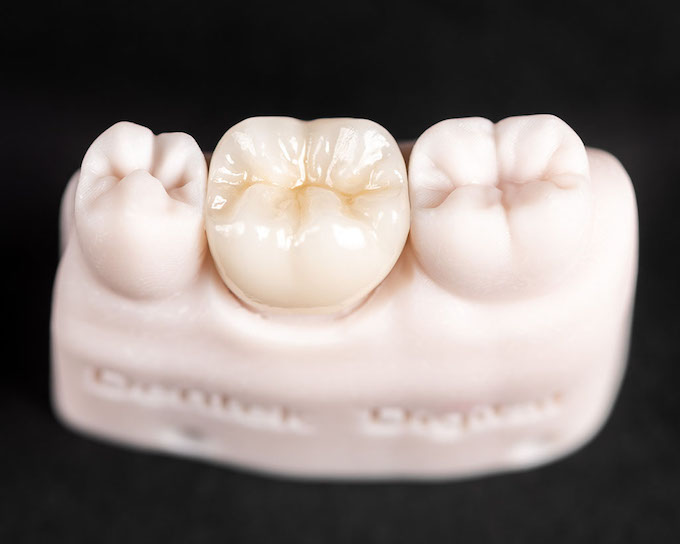
Modern dentistry has changed dramatically in recent years. One of the most powerful tools available today is the digital wax up — a virtual model that lets dentists preview and plan restorations before a single tooth is touched. For dental practices across the Greater Phoenix area, this technology is reshaping how treatment is planned and communicated.
Traditional wax-ups were built by hand using physical wax on stone models. However, digital workflows have replaced much of that manual process. As a result, dentists can now collaborate with dental labs more efficiently, reduce chair time, and deliver better outcomes for patients.
At Dentek Digital, we work with dental practices throughout Phoenix, Scottsdale, Mesa, and Chandler to bring advanced CAD/CAM design capabilities to every case. In this post, we break down exactly what a digital wax-up is, how it works, and why it matters for your practice.
What Is a Digital Wax-Up?
A digital wax-up is a computer-generated, three-dimensional model of a patient’s proposed dental work. It replicates the traditional wax-up process — but entirely in software. Therefore, no physical model is required to visualize the final result.
Using CAD/CAM dentistry software, skilled dental technicians design the ideal tooth shapes, sizes, and occlusion. The result is a precise, editable virtual model that can be reviewed, adjusted, and approved before fabrication begins.
How It Differs from a Traditional Wax-Up
Traditional wax-ups required a lab technician to manually sculpt wax onto a plaster model. This process took significant time and skill. On the other hand, a digital wax-up is created in CAD software using high-resolution digital scans.
Because of this shift, edits are faster and more accurate. Changes that once required hours of re-sculpting can now be made in minutes. Additionally, digital files are easy to share, store, and reproduce — something physical models simply cannot offer.
What Information Goes Into a Digital Wax-Up?
The process starts with digital impressions or intraoral scans from the patient. Next, the lab technician imports those scans into design software. Then, using anatomical libraries and design tools, the technician builds out the proposed restorations.
The design accounts for occlusion, aesthetics, bite function, and surrounding tooth anatomy. Furthermore, it incorporates the dentist’s treatment goals and any patient preferences. The final design becomes the blueprint for fabricating the actual restoration.
Why Digital Wax-Ups Matter for Your Practice
Digital wax-ups offer meaningful advantages for both dentists and their patients. They improve accuracy, speed up communication, and reduce the chances of remakes. For busy practices in areas like Gilbert or Tempe, that efficiency is especially valuable.
Better Treatment Planning
A digital wax-up gives the entire dental team a clear picture of the expected outcome. First, the dentist reviews the design and confirms the treatment direction. Then, the lab can move forward with confidence knowing the plan is approved.
This step is particularly helpful for complex cases involving multiple restorations. Moreover, it allows dentists to identify potential issues — such as occlusal conflicts or aesthetic concerns — before the patient is ever in the chair.
Improved Patient Communication
Patients often struggle to visualize what a treatment will look like. A digital wax-up changes that entirely. Because the design is three-dimensional and realistic, patients can see and understand the proposed work much more clearly.
Additionally, some labs and practices use digital wax-ups to create printed or milled mock-ups. These physical previews can be placed directly in the patient’s mouth. As a result, patients feel more informed and more confident in their treatment decisions.
Fewer Remakes and Adjustments
Remakes cost time and money for everyone involved. However, when a digital wax-up is reviewed and approved before fabrication begins, the risk of costly adjustments drops significantly. The lab builds to a confirmed, agreed-upon design.
For practices throughout the Scottsdale and Chandler areas, this translates to a smoother workflow and stronger lab relationships. Therefore, investing in the digital wax-up step upfront saves time throughout the entire case.
When Should You Use a Digital Wax-Up?
Not every case requires a digital wax-up. However, certain situations benefit greatly from this extra planning step. Knowing when to use one helps practices get the most value from the process.
Consider requesting a digital wax-up in the following situations:
- Full-mouth rehabilitations — Multiple teeth are being restored at once, making planning critical.
- Anterior aesthetic cases — Any case involving the front teeth where shape and size are highly visible.
- Complex occlusal changes — Cases where the bite relationship is being altered significantly.
- Implant restorations — Planning the final crown position before placing an implant improves long-term outcomes.
- Veneer cases — Digital design helps ensure proportion, symmetry, and length are ideal before preparation.
In addition, digital wax-ups are useful whenever patient expectations need to be carefully managed. They give the dentist and patient a shared visual reference point before any irreversible treatment begins.
The CAD/CAM Digital Wax-Up Workflow at Dentek Digital
At Dentek Digital, our CAD/CAM design team handles digital wax-ups as part of a fully integrated digital workflow. We work with dental practices across the Greater Phoenix area — including Mesa, Tempe, Gilbert, and Scottsdale — to streamline every step of the case.
Step 1: Receive the Digital Scan
The process begins when we receive your digital impressions or STL files. We accept files from most major intraoral scanner brands. Additionally, we can work from high-quality physical impressions that we scan in-house if needed.
Step 2: CAD Design and Wax-Up Creation
Our experienced technicians use advanced CAD software to design the digital wax-up. They carefully follow your prescription and any aesthetic or functional notes you provide. Furthermore, they apply anatomical libraries to ensure lifelike, proportionate results.
Step 3: Design Review and Approval
Once the digital wax-up is complete, we send it to you for review. You can view the design digitally, request edits, or approve it for fabrication. This step ensures everyone is aligned before we move forward.
Step 4: Fabrication or Mock-Up Production
After approval, we proceed to fabrication. Depending on your case needs, we can mill a physical mock-up for in-office try-in. Moreover, the approved design serves as the direct template for milling or pressing the final restoration.
Ready to simplify your next complex case? Contact Dentek Digital and let our team guide you through the digital wax-up process from start to finish.
Digital Wax-Ups and Implant Planning
Digital wax-ups play an important role in implant dentistry as well. In fact, a well-designed wax-up can directly inform implant placement planning. When the final restoration is designed first, the implant can be positioned to support it precisely.
At Dentek Digital, we offer advanced digital implant planning services that integrate with our CAD design workflow. Therefore, practices in Phoenix and the surrounding communities can approach implant cases with greater predictability and confidence.
Frequently Asked Questions About Digital Wax-Ups
What file format do I need to submit for a digital wax-up?
Most digital wax-ups start with an STL file exported from an intraoral scanner. We accept files from most major scanner platforms. Additionally, we can work from physical impressions if a digital scan is not available.
How long does a digital wax-up take?
Turnaround times vary depending on case complexity. However, most digital wax-ups are completed within a few business days. We communicate clearly about timelines so your case planning stays on track.
Can I request changes to the digital wax-up design?
Absolutely. The review and revision step is built into our workflow. If you need adjustments to shape, size, or proportions, simply communicate those changes and we will update the design before fabrication begins.
Is a digital wax-up the same as a diagnostic wax-up?
They serve the same purpose — previewing a proposed restoration. However, a digital wax-up is created entirely in software, while a traditional diagnostic wax-up is built by hand in wax. The digital version is faster, more precise, and easier to share.
Do you offer physical mock-ups based on the digital wax-up?
Yes. We can mill a physical mock-up directly from the approved digital design. This allows you to place it in the patient’s mouth for a real-world preview before committing to the final restoration.
Partner with Dentek Digital for Advanced CAD Design Services
Dentek Digital has been a national leader in digital dentistry since the early days of CAD/CAM workflows. Our team combines cutting-edge technology with skilled craftsmanship to deliver precise, reliable results for dental practices throughout Greater Phoenix.
Whether you are planning a full-mouth rehabilitation in Scottsdale, a veneer case in Mesa, or an implant restoration in Chandler, we are here to support your work every step of the way. Our digital wax-up services help you plan smarter, communicate better, and deliver exceptional results to your patients.
Explore your options and take the next step toward a better lab partnership. Reach out to our team today to discuss your next case and discover how our digital design services can elevate your practice.