
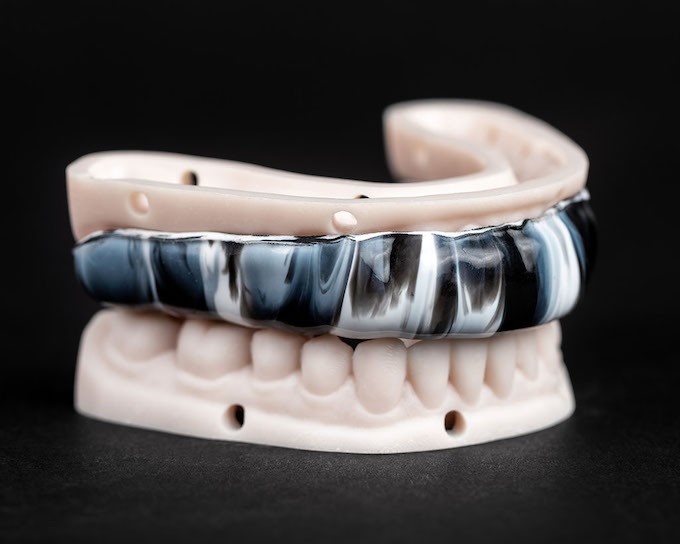
Implant prosthetics have changed dramatically over the past decade. Digital technology now drives most of that change. At the center of it all is implant CAD design — a process that transforms clinical data into precise, patient-ready restorations.
For dental practices across Greater Phoenix, this shift matters. Whether you serve patients in Scottsdale, Mesa, Chandler, or Gilbert, the restorations you deliver depend heavily on the quality of your lab partner’s digital workflow.
At Dentek Digital, we were among the earliest adopters of CAD/CAM technology in the country. We understand what great implant prosthetics require — and we build that precision into every case we process.
What Is CAD in Implant Prosthetics?
CAD/CAM dentistry stands for computer-aided design and computer-aided manufacturing. In implant prosthetics, CAD refers specifically to the design phase. A skilled technician uses specialized software to build a virtual restoration on screen.
This digital model is based on scan data from the patient’s mouth or model. The technician refines every contour, contact point, and occlusal surface digitally. The result is a restoration designed with a level of precision that manual methods simply cannot match.
Furthermore, CAD allows for documentation, revision, and replication. If a case needs to be remade or adjusted, the digital file is already there. That saves time for everyone involved.
How CAD Fits Into the Implant Workflow
The implant workflow begins with placement and healing. Then comes the restorative phase. This is where implant CAD design plays its biggest role.
First, a digital scan is taken of the implant position using a scan body or scan flag. Next, that scan file is sent to the lab. Then, our technicians import the file into CAD software and begin designing the abutment and crown or full-arch restoration.
Finally, the completed design is sent to milling or printing equipment for fabrication. The entire process is faster, more accurate, and more repeatable than traditional lab methods.
Why CAD Design Improves Implant Outcomes
Implant restorations face unique challenges. They must fit precisely at the implant interface. They must handle occlusal forces effectively. Additionally, they must look natural and blend seamlessly with surrounding teeth.
CAD design addresses all of these challenges directly. The software allows technicians to visualize the restoration from every angle. Moreover, it enables precise control over emergence profile, margin placement, and occlusal anatomy.
As a result, dentists receive restorations that seat correctly and function reliably. Patients in communities like Tempe and Mesa benefit from fewer adjustments and better long-term outcomes.
Fit at the Implant Interface
One of the most critical factors in implant prosthetics is the connection between the restoration and the implant itself. A poor fit can lead to complications over time. CAD design dramatically improves this connection.
The software uses implant library data to model the exact interface geometry. Therefore, the abutment or screw-retained crown aligns precisely with the implant platform. This level of accuracy is difficult to achieve through conventional lab techniques.
At Dentek Digital, we maintain an extensive library of implant connections. Because of this, we can design for virtually any implant system a dentist uses in their practice.
Occlusal Design and Function
Occlusion matters in every restoration. However, it matters even more in implant cases. Implants lack the periodontal ligament that natural teeth have. They do not flex or absorb shock the same way.
CAD software helps technicians design occlusal surfaces that distribute forces appropriately. Additionally, digital articulation tools allow for virtual occlusal analysis before the restoration is ever milled. This step reduces the likelihood of adjustments at delivery.
Practices across Scottsdale and Gilbert report fewer chairside adjustments when they partner with digital labs like Dentek Digital. That is the power of a well-executed implant CAD design workflow.
Types of Implant Restorations Designed With CAD
CAD design supports a wide range of implant restorations. The technology is not limited to single-unit cases. In fact, some of the most complex prosthetics benefit the most from digital design tools.
Here are the most common implant restorations our team designs using CAD software:
- Single-unit implant crowns: Designed for optimal fit, emergence, and aesthetics on individual implants.
- Custom abutments: Digitally milled abutments shaped to support ideal crown contours and soft tissue health.
- Implant bridges: Multi-unit restorations spanning two or more implants, designed for precise fit at every connection point.
- Screw-retained restorations: Designed with access channel placement optimized through CAD software.
- Full-arch implant prosthetics: Complex restorations such as hybrid dentures and fixed full-arch bridges, planned and designed entirely in the digital environment.
Each of these restoration types demands accuracy. CAD design provides that accuracy consistently, case after case.
Full-Arch Implant Design: A Special Case
Full-arch implant restorations are among the most demanding cases in prosthetic dentistry. They require precise planning, accurate implant positioning data, and meticulous digital design work.
Moreover, full-arch cases often involve multiple implant connections across a single framework. Every connection must fit passively. Even minor errors can cause stress on the implants or discomfort for the patient.
CAD design makes full-arch work more manageable. The software allows technicians to verify passive fit digitally before fabrication begins. In addition, Dentek Digital also offers digital implant planning services to support practices managing these complex cases from start to finish.
If you are treating full-arch cases in the Chandler or Mesa area, contact Dentek Digital to discuss how our digital workflow can support your next case.
How Digital Scans Feed Into CAD Design
CAD design is only as good as the data it receives. Accurate digital scans are the foundation of great implant prosthetics. Therefore, the scan-to-design handoff is a critical step in the process.
Intraoral scanners capture detailed 3D models of the implant site. Scan bodies communicate the position and orientation of the implant to the software. The lab then uses this data to design a restoration that fits the actual clinical situation.
At Dentek Digital, we accept scan files from all major intraoral scanner platforms. Additionally, we work closely with referring practices to ensure scan protocols are optimized for implant cases. A clean, complete scan leads to a better design and a better final restoration.
Tips for Sending Implant Scan Cases to Your Lab
Sending a clean scan case makes the lab’s job easier and your outcomes more predictable. Here are some practical tips to keep in mind:
- Use the correct scan body for the specific implant system and connection type.
- Capture the full arch and opposing arch for accurate occlusal design.
- Include a bite registration scan to help the technician set the articulation correctly.
- Note any specific design preferences, such as screw access channel direction or desired emergence profile.
- Send clear shade information or photos for aesthetic cases.
Following these steps consistently will improve the quality and turnaround time of your implant restorations. Additionally, it reduces the need for back-and-forth communication between the practice and the lab.
The Dentek Digital Advantage in CAD-Designed Implant Prosthetics
Not every dental lab has invested deeply in digital implant workflows. Many still rely on analog methods that introduce variability and limit precision. On the other hand, Dentek Digital has built its entire operation around advanced CAD/CAM technology.
We were one of the first labs in the country to adopt this workflow. Therefore, our team has more experience designing implant restorations digitally than most labs in the region. That experience translates into better restorations for your patients.
We serve dental practices throughout the Greater Phoenix area, including communities in Scottsdale, Tempe, Chandler, and Gilbert. Moreover, our reputation as a national leader in digital dentistry means we bring a high standard of quality to every case we produce.
Technology Meets Skilled Craftsmanship
Technology alone does not make a great restoration. Skilled technicians do. At Dentek Digital, we combine the latest CAD software with experienced hands-on craftsmanship.
Our technicians are trained specifically in digital implant design. They understand implant systems, prosthetic components, and the clinical demands of restorative dentistry. Because of this, every design decision is made with the dentist’s needs and the patient’s outcome in mind.
Furthermore, we treat every case as a partnership. We communicate clearly, work efficiently, and stand behind the quality of our restorations.
Frequently Asked Questions About Implant CAD Design
What file formats do you accept for implant scan cases?
We accept the most widely used scan file formats from major intraoral scanner brands. If you are unsure whether your scanner format is compatible, reach out and we will confirm quickly.
Can CAD design work with any implant system?
In most cases, yes. We maintain a broad library of implant connections and prosthetic components. However, it is always best to confirm compatibility before submitting a case, especially with less common systems.
How does CAD design reduce chairside adjustment time?
Digital design allows technicians to verify fit, contacts, and occlusion virtually before fabrication. As a result, restorations arrive at the practice with fewer issues and require less adjustment at delivery.
Do you offer design services for full-arch implant cases?
Yes. We design single-unit crowns, custom abutments, implant bridges, and full-arch prosthetics. Additionally, we offer digital implant planning services to support complex multi-implant cases from the beginning of treatment.
What is a custom abutment and why does CAD design improve it?
A custom abutment is a patient-specific connector between the implant and the crown. CAD design allows technicians to shape the abutment precisely for ideal tissue support, emergence, and crown fit. This level of customization is difficult to achieve through conventional casting methods.
Partner With Dentek Digital for Your Implant Cases
Implant prosthetics demand precision at every step. From the initial scan to the final restoration, every detail matters. CAD design is the tool that makes that precision possible — and Dentek Digital is the lab that delivers it.
We partner with dental practices throughout the Greater Phoenix area, including Scottsdale, Mesa, Tempe, Chandler, and Gilbert. Our team brings national-level expertise to every case we handle locally.
If you are ready to elevate the quality of your implant restorations, we are ready to help. Explore your options and contact Dentek Digital today to get started with your next implant case.