
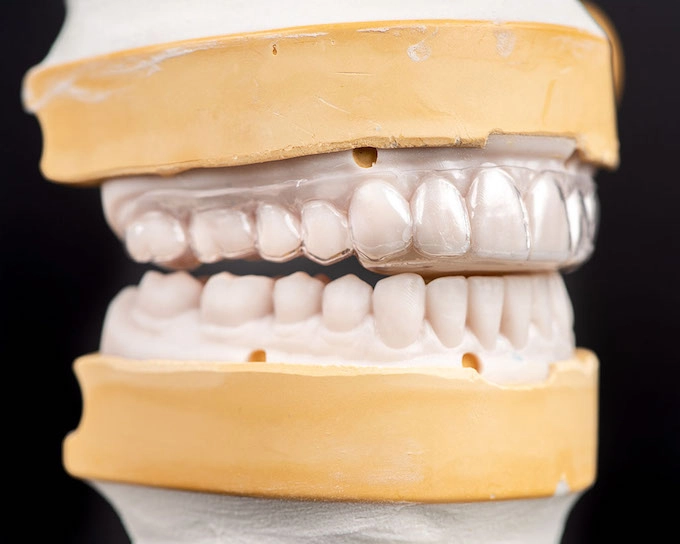
Digital dentistry has transformed the way dental labs fabricate restorations. At the center of that transformation are CAD design protocols — the structured steps that guide how a restoration is digitally designed before it ever enters a milling machine or 3D printer. Understanding these protocols helps dentists make better decisions for their patients.
For dental practices across the Greater Phoenix area — from Scottsdale to Chandler — knowing what happens inside the lab matters. It helps you set realistic expectations, streamline your workflow, and communicate more effectively with your lab team.
This post breaks down what CAD design protocols are, why they matter, and how a trusted digital lab like Dentek Digital applies them to deliver precise, reliable restorations every time.
What Are CAD Design Protocols?
CAD/CAM dentistry relies on computer-aided design software to create digital models of dental restorations. A CAD design protocol is the defined process a technician follows when using that software. It covers everything from file intake to final design approval.
These protocols are not one-size-fits-all. They vary based on restoration type, material choice, and clinical requirements. However, they all share a common goal: producing a restoration that fits well, functions properly, and looks natural.
Why Protocols Matter in a Digital Lab
Without a clear protocol, even advanced software can produce poor results. Therefore, experienced labs establish detailed workflows for every case type. These workflows reduce errors and improve consistency across every restoration.
At Dentek Digital, our technicians follow proven CAD design protocols refined over years of digital lab experience. As a result, our dental partners in Mesa, Gilbert, Tempe, and throughout Phoenix receive restorations built to precise specifications every time.
The Core Steps in a CAD Design Protocol
While protocols differ by case, most share a similar foundation. Below is a general overview of how a strong CAD design workflow unfolds.
Step 1: Digital Scan Intake and File Review
First, the lab receives a digital scan file — typically in STL or OBJ format — from the dentist’s intraoral scanner. The technician reviews the scan for quality and completeness. Poor scan data at this stage can affect every step that follows.
Additionally, the technician checks the prescription details carefully. This includes the tooth number, material selection, shade, and any special occlusal notes the dentist has provided.
Step 2: Model Articulation and Bite Registration
Next, the technician digitally articulates the upper and lower arches. This step recreates how the patient’s teeth come together in function. Accurate bite registration is essential for occlusal harmony in the finished restoration.
Meanwhile, the technician identifies key anatomical landmarks. These include the opposing dentition, adjacent teeth, and the margins of the prepared tooth. Each of these factors directly influences the design decisions ahead.
Step 3: Margin Identification and Die Preparation
Margin marking is one of the most critical steps in any CAD design protocol. The technician traces the preparation margin with precision software tools. This defines the boundary of the restoration and guides its fit at the gumline.
Because of this, margin accuracy directly affects how well the final crown or bridge seats at chairside. Even small deviations here can result in open margins or fit issues. Therefore, experienced technicians spend significant time on this step.
Step 4: Restoration Design and Morphology
This is where the design truly comes to life. The technician uses CAD software to shape the restoration. They build anatomically correct tooth morphology based on the patient’s existing dentition and clinical goals.
Furthermore, the software allows technicians to adjust contact points, cusp heights, and occlusal anatomy in real time. This level of control is one of the key advantages of digital design over traditional wax-up techniques. The result is a restoration that mirrors natural tooth function more closely.
Step 5: Design Validation and Approval
Finally, the technician reviews the completed design against all case parameters. This includes checking occlusal contacts, proximal contacts, margin fit, and overall aesthetics. Many labs — including Dentek Digital — apply a quality checkpoint before releasing the file for fabrication.
In addition, some cases may require a digital design approval step with the referring dentist. This is especially common for complex implant cases or full-arch restorations where communication between the lab and practice is essential.
How Material Selection Affects CAD Design Protocols
Material choice plays a significant role in how a restoration is designed. Different materials have different mechanical properties. Therefore, the CAD protocol must account for wall thickness, connector size, and occlusal reduction requirements specific to each material.
Zirconia Restorations
Zirconia is one of the most common materials used in digital labs today. It requires specific minimum thickness guidelines to maintain strength. As a result, technicians must design within those parameters to prevent fracture in the final restoration.
Moreover, zirconia undergoes sintering shrinkage during fabrication. Experienced technicians factor this into the digital design using pre-set compensation values in the CAD software. This ensures the restoration achieves its intended dimensions after milling and sintering.
Lithium Disilicate and Composite Restorations
On the other hand, lithium disilicate and composite materials have their own design requirements. These materials are often used for anterior restorations where aesthetics are a priority. However, they may require more conservative design choices to preserve structural integrity.
Dental practices in Scottsdale and Chandler often request these materials for smile-focused cases. In those situations, the CAD design protocol shifts to prioritize contour, shade layering, and translucency alongside fit and function.
CAD Design Protocols for Implant Cases
Implant restorations add another layer of complexity to CAD design workflows. The technician must work with implant library data, scan body positions, and angulation considerations. These factors require specialized training and software tools.
At Dentek Digital, we offer advanced implant planning services in addition to our standard restoration workflow. Our team in Phoenix works closely with referring dentists to ensure implant-supported restorations are designed with surgical precision in mind.
Furthermore, for full-arch implant cases, the CAD design protocol often involves digital smile design steps. These include facial midline alignment, incisal edge position, and phonetic analysis. Because of this, communication between the lab and the dental team is especially important throughout the case.
How Strong Protocols Benefit Dental Practices
A well-structured CAD design protocol produces clear, measurable benefits for the dental practices we serve. Here are some of the key advantages:
- Fewer remakes: Consistent protocols reduce errors and improve first-fit success rates.
- Faster turnaround: Defined workflows streamline the design process and reduce unnecessary delays.
- Better communication: Clear case protocols give dentists and labs a shared language for discussing design decisions.
- Predictable outcomes: Structured workflows help labs deliver consistent quality across every case type.
- Improved patient experience: Well-fitting restorations reduce the need for adjustments at the patient appointment.
Dental practices across the Greater Phoenix area — including those in Mesa, Tempe, and Gilbert — benefit from working with a lab that takes protocol seriously. It reflects directly in the quality of the restorations their patients receive.
Ready to experience the difference a protocol-driven lab makes? Contact Dentek Digital to send us your next case and see our process in action.
Frequently Asked Questions About CAD Design Protocols
What software do digital dental labs use for CAD design?
Most labs use industry-leading CAD platforms such as exocad or 3Shape. These programs offer robust toolsets for designing a wide range of restoration types. The choice of software can vary based on the lab’s workflow and the restoration being designed.
How does scan quality affect the CAD design process?
Scan quality is foundational to the entire CAD design protocol. A clean, complete scan gives the technician accurate data to work with. On the other hand, a poor-quality scan can lead to margin errors, poor fit, and the need for a rescan.
Can dentists be involved in the CAD design approval process?
Yes, and in many complex cases, dentist involvement is highly recommended. Some labs offer digital design previews before fabrication begins. This is especially valuable for full-arch cases, implant restorations, and high-aesthetic anterior work.
How do CAD design protocols differ between fixed and removable restorations?
Fixed and removable restorations follow different design logic. Fixed restorations focus on margin fit, occlusal contact, and interproximal relationships. Removable cases, however, involve framework design, tooth arrangement, and tissue adaptation. Each requires its own specialized protocol.
What happens if a design does not meet protocol standards?
A quality-driven lab will flag the design before it moves to fabrication. The technician may revise the design, request additional clinical information, or contact the referring dentist. At Dentek Digital, we do not release a case for milling until it meets our quality standards.
Partner With a Lab That Gets the Details Right
CAD design protocols are not just technical procedures. They are the foundation of every high-quality restoration that leaves a digital lab. Understanding them helps dental professionals make smarter decisions and build stronger lab partnerships.
At Dentek Digital, we bring years of digital lab expertise to every case we receive. Our team serves dental practices throughout Phoenix, Scottsdale, Chandler, Mesa, and the surrounding Greater Phoenix area. We are committed to delivering restorations that fit right, function well, and support the best possible patient outcomes.
Whether you are new to digital workflows or looking to refine your current lab partnership, we are here to help. Explore your options and reach out to the Dentek Digital team to discuss your next case — we would love to be your trusted digital lab partner in Arizona.