
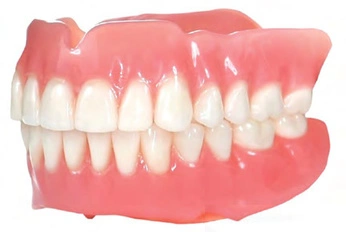
Choosing the right full arch materials is one of the most important decisions in restorative dentistry. The material you select affects fit, strength, aesthetics, and long-term patient satisfaction. Therefore, understanding your options before you begin fabrication is essential.
Full arch prosthetics have advanced significantly with digital workflows. Today, dental labs like Dentek Digital use CAD/CAM dentistry technology to mill, print, and design restorations with exceptional precision. As a result, dentists across Phoenix and the surrounding communities have access to better outcomes than ever before.
This guide breaks down the most common full arch material options. Additionally, it covers the key factors that influence material selection so you can make confident, informed decisions for your patients.
Why Material Selection Matters for Full Arch Cases
Full arch restorations are complex cases. They involve replacing an entire arch of teeth — upper, lower, or both. Because of this, the stakes for material selection are high. A poor choice can compromise fit, function, and longevity.
Meanwhile, the right material supports natural-looking aesthetics and reliable performance. It also makes the fabrication process smoother for the dental lab. Every full arch case is unique, so material decisions must account for the individual patient’s bite, bone structure, and lifestyle.
Key Factors That Influence Material Choice
Several factors shape the ideal material selection for full arch prosthetics. First, consider the patient’s occlusal load. Patients who grind or clench need highly durable materials. Next, think about aesthetics. Some patients prioritize a natural tooth appearance over maximum strength.
Additionally, the type of restoration matters. Implant-supported full arch prosthetics have different demands than conventional removable options. Finally, consider the clinical workflow. Some materials integrate more efficiently into a digital CAD/CAM process.
- Occlusal load and bite force
- Aesthetic expectations
- Implant-supported vs. conventional
- Digital lab compatibility
- Patient lifestyle and habits
Common Full Arch Materials and Their Strengths
The dental industry offers several proven materials for full arch restorations. However, not every material suits every patient. Understanding the general characteristics of each option helps you match the right solution to each case.
Zirconia
Zirconia is one of the most popular full arch materials available today. It offers excellent strength and durability. Furthermore, it performs well under high occlusal loads, making it a strong choice for patients with bruxism or heavy bites.
Modern zirconia comes in multiple translucency levels. Therefore, it can meet both functional and aesthetic demands. High-translucency zirconia provides a more natural tooth appearance. On the other hand, high-strength zirconia prioritizes durability over lifelike aesthetics.
Dentek Digital mills zirconia restorations using advanced CAD/CAM equipment. As a result, dentists in Scottsdale, Mesa, and across the Phoenix metro receive precision-fit frameworks every time.
Acrylic and PMMA
Acrylic and PMMA (polymethyl methacrylate) are widely used for full arch provisional restorations. They are cost-effective and easy to adjust chairside. Because of this, they are a practical choice for immediate-load implant cases.
However, acrylic is not as durable as zirconia for long-term use. It can wear and stain over time. Therefore, many clinicians use acrylic as a transitional material while final restorations are being fabricated.
Milled PMMA offers better consistency than traditional hand-processed acrylic. Additionally, digital milling reduces internal voids and improves overall fit. This makes it a reliable provisional option in a CAD/CAM workflow.
Hybrid Ceramic Composites
Hybrid ceramic composites blend ceramic and resin properties. They offer a middle ground between strength and aesthetics. Moreover, they tend to absorb shock better than full zirconia, which can benefit certain implant-supported cases.
These materials are milled digitally and deliver a natural-looking finish. However, they may require more maintenance over time compared to zirconia. Therefore, patient compliance and recall habits should factor into this choice.
Titanium Frameworks with Layered Veneers
Some full arch cases call for a titanium substructure with porcelain or composite veneers layered on top. Titanium provides unmatched strength and biocompatibility. As a result, it is often selected for complex implant-supported cases with high occlusal demands.
The layered approach allows for excellent aesthetic customization. Furthermore, the combination of titanium and veneering material can be tailored to each patient’s specific needs. Dental labs with strong CAD/CAM capabilities — like Dentek Digital — produce these frameworks with high accuracy.
Full Arch Material Selection for Implant-Supported Prosthetics
Implant-supported full arch prosthetics require special material considerations. The prosthetic must distribute bite forces evenly across the implants. Therefore, material rigidity and fit precision are critical.
Zirconia monolithic frameworks are a popular choice for implant-supported cases. They resist fracture and maintain their shape over time. Additionally, the all-in-one structure eliminates the risk of veneering material chipping.
Meanwhile, milled PMMA provisionals allow clinicians to evaluate occlusion and aesthetics before committing to a final material. This step is especially valuable in complex full arch cases. It gives patients and providers the chance to refine the result before final fabrication begins.
Working with Your Dental Lab on Material Decisions
Material selection is a collaborative process. Your dental lab is a valuable partner in these decisions. Therefore, open communication before submitting a case leads to better outcomes.
At Dentek Digital, we work closely with dental practices throughout the Phoenix area, including communities like Gilbert, Chandler, and Tempe. We review case details and help recommend material options based on clinical goals. Contact Dentek Digital to discuss your next full arch case before you begin.
Providing thorough case documentation helps us recommend the right material. Shade information, bite records, implant positioning, and patient lifestyle notes all inform the decision. As a result, cases submitted with complete details move through fabrication more efficiently.
Digital Workflow and Material Compatibility
Not every material works equally well in every fabrication method. Some materials are best milled. Others are printed or pressed. Therefore, understanding how your lab fabricates restorations helps you select compatible materials.
Zirconia and PMMA are both well-suited to milling workflows. Hybrid ceramics are also typically milled. On the other hand, some composite resins are better adapted to 3D printing technology. Dentek Digital uses advanced CAD/CAM equipment to fabricate a wide range of materials with precision and consistency.
The Role of Digital Scanning in Material Selection
Accurate digital scans are foundational to any full arch case. A high-quality scan gives the lab the data it needs to design a well-fitting restoration. Furthermore, digital scans eliminate many of the dimensional inaccuracies that traditional impressions can introduce.
When scans are accurate, material tolerances are met more reliably. As a result, the final restoration fits better and requires fewer chairside adjustments. This benefits both the dentist and the patient. Practices across the Phoenix metro — from Scottsdale to Mesa — are increasingly adopting intraoral scanners for this reason.
Frequently Asked Questions About Full Arch Materials
What is the most durable material for full arch prosthetics?
Zirconia is widely regarded as one of the most durable full arch materials. It resists fracture and performs well under heavy occlusal loads. Therefore, it is a top choice for patients with strong bite forces or grinding habits.
Can PMMA be used as a final full arch restoration?
PMMA is primarily used as a provisional material. It is effective for transitional restorations during treatment. However, most clinicians transition patients to a more durable final material such as zirconia or a hybrid ceramic for long-term use.
How does material choice affect the fit of a full arch restoration?
Material properties influence how a restoration is fabricated and how it seats. Some materials have tighter milling tolerances than others. Additionally, material shrinkage or expansion during processing can affect fit. A skilled digital lab manages these variables carefully.
Does the type of implant system affect material selection?
Yes, the implant system and connection type can influence which materials and frameworks are appropriate. Furthermore, the number and position of implants affect how forces are distributed across the prosthetic. Your lab can help evaluate these factors alongside your clinical findings.
How do I submit a full arch case to Dentek Digital?
Submitting a case is straightforward. You can send digital scans, bite records, and case notes directly through our online case submission process. Moreover, our team is available to answer questions and guide material selection before you submit. Explore your options and get started today.
Partner with Dentek Digital for Full Arch Excellence
Selecting the right full arch materials is a critical step in delivering exceptional patient outcomes. Therefore, working with an experienced digital dental lab makes a meaningful difference. Dentek Digital is a national leader in digital dentistry, based right here in Phoenix, Arizona.
We serve dental practices across the Greater Phoenix area, including Chandler, Gilbert, Tempe, Scottsdale, Mesa, and beyond. Our team combines advanced CAD/CAM technology with skilled craftsmanship to fabricate full arch restorations that fit, function, and look exceptional.
Additionally, we support dentists from the first case consultation through final delivery. Our goal is to be a true lab partner — not just a fabrication service. Send us a case today and experience the Dentek Digital difference for your patients.