
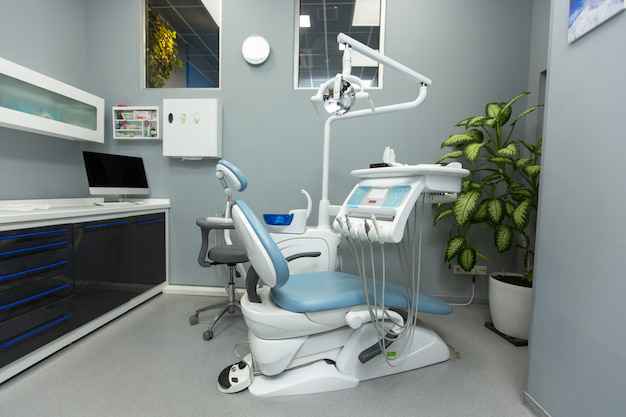
If you are a dental professional researching dental implants cost, you already know how often patients ask that very question. The answer is never simple. However, understanding the key cost drivers helps you educate patients and deliver better outcomes. This post breaks it all down clearly.
At Dentek Digital, we fabricate high-quality implant restorations using advanced CAD/CAM technology from our lab in Phoenix, Arizona. We partner with dentists and dental practices across the Greater Phoenix area — including Mesa, Tempe, Chandler, and Scottsdale. Our goal is to support precise, reliable results for every case you send us.
Whether you are placing your first implant or scaling up your restorative workflow, the cost picture matters. Therefore, let us walk through every factor that shapes implant pricing from a lab and clinical perspective.
Why Dental Implants Cost Varies So Much
Dental implants are not a single product. They are a system of components working together. Because of this, the total cost reflects many moving parts. Each part adds value — and expense.
Furthermore, the restorative workflow you choose has a direct impact on cost. A digitally driven workflow can reduce chair time and remakes. On the other hand, a traditional analog process may involve more steps and lab turnaround time.
The Main Cost Components
First, there is the implant fixture itself. This is the titanium post placed into the bone. Next comes the abutment, which connects the fixture to the crown. Finally, the implant crown completes the restoration.
Each component carries its own cost. Additionally, the brand of implant system, the material chosen, and the complexity of the case all influence the final number. There is no single flat rate for implant restorations.
Material Choices and Their Impact
Zirconia is one of the most popular materials for implant crowns today. It offers excellent aesthetics and durability. However, it requires precise milling and finishing — which is where a skilled digital lab makes a real difference.
PFM (porcelain-fused-to-metal) crowns remain an option in some cases. Moreover, hybrid materials are emerging as strong alternatives. The material you select affects both the lab fee and the long-term outcome for the patient.
How the Digital Workflow Affects Implant Restoration Costs
Digital dentistry has transformed implant workflows over the last decade. At Dentek Digital, we were among the earliest adopters of digital CAD/CAM workflows in the country. As a result, we have seen firsthand how digital processes improve quality and efficiency.
A digital workflow typically starts with an intraoral scan. That scan feeds directly into our CAD design process. Therefore, we can fabricate restorations with exceptional fit accuracy — reducing the need for costly adjustments or remakes.
CAD/CAM Milling vs. Traditional Fabrication
Traditional lab fabrication involves more manual steps. CAD/CAM milling, however, uses computer-guided precision. This reduces human error and speeds up production. For dental practices in Phoenix, Chandler, and Scottsdale, faster turnaround means less patient wait time.
Additionally, digital files are easy to store and retrieve. If a patient needs a replacement crown years later, we can reference the original design. This saves time and reduces costs for both the practice and the patient.
Digital Implant Planning
Dentek Digital also offers advanced digital implant planning services. This involves using 3D imaging data to map the ideal implant position before surgery. Furthermore, it helps clinicians anticipate restorative requirements early in the process.
Planning ahead reduces surprises. It also helps align the surgical and restorative teams. As a result, outcomes improve and costly complications become less likely.
Factors That Influence Dental Implants Cost at the Practice Level
Dental practices in the Greater Phoenix area — from Mesa to Tempe — face similar cost considerations. However, every practice manages overhead differently. Understanding these factors helps you price your services fairly and competitively.
Case Complexity
A straightforward single-tooth implant in a healthy patient costs less than a full-arch case requiring bone grafting. Additionally, cases involving multiple implants, custom abutments, or complex occlusal adjustments require more lab time and materials.
Therefore, complexity should always factor into your fee calculation. Simple cases allow for more predictable pricing. Complex cases require a more detailed breakdown of components and lab fees.
Implant System Selection
Some implant systems cost more than others. Premium brands often carry higher fixture costs. However, they may also offer broader restorative options and stronger clinical data. On the other hand, value-tier systems can work well in straightforward cases.
At Dentek Digital, we work with a wide range of implant systems. We fabricate restorations compatible with the major platforms your practice already uses. Because of this, you do not need to change your workflow to work with us.
Number of Units and Case Volume
Practices in high-volume implant markets — like those serving Scottsdale and Gilbert — often benefit from economies of scale. Furthermore, consistent case volume helps dental labs like ours streamline production and maintain pricing efficiency.
If your practice is growing its implant program, partnering with a reliable digital lab can help manage per-unit lab costs over time. Additionally, a strong lab relationship means fewer delays and more predictable timelines.
The Role of the Dental Lab in Implant Cost and Quality
Many dentists focus on the clinical side of implant costs. However, the dental lab plays a critical role too. The quality of the restoration directly affects the patient experience and long-term success.
At Dentek Digital, we combine advanced technology with skilled craftsmanship. Every restoration goes through a careful quality control process. As a result, dentists across Phoenix and the surrounding communities receive restorations they can trust.
What to Look for in a Dental Lab Partner
First, look for a lab that uses modern CAD/CAM equipment. Next, evaluate their experience with implant cases specifically. Finally, ask about their turnaround times and communication process.
A great lab partner reduces your chair time, your remakes, and your stress. Moreover, it helps you deliver consistently excellent results to your patients. That is the Dentek Digital standard.
TattooTH and Advanced Implant Solutions
Dentek Digital offers TattooTH, a unique advanced service for select cases. Additionally, our digital implant planning services help practices optimize case outcomes from the start. These advanced solutions support better long-term value for both dentists and their patients.
When you invest in a lab that offers these capabilities, you are investing in the quality of your restorative program. Therefore, the lab fee is not just a cost — it is part of your clinical value proposition.
Frequently Asked Questions About Dental Implants Cost
What makes dental implants cost more than other restorations?
Implants involve multiple components — the fixture, abutment, and crown. Additionally, the surgical phase, materials, and lab fabrication all contribute to the total investment. It is one of the most involved restorations in dentistry.
How does a digital workflow affect lab fees for implants?
Digital workflows can reduce errors and remakes. As a result, they often improve the overall value of the lab fee. Precision milling and digital design also contribute to better fit and faster delivery.
Does the implant brand affect the cost of the restoration?
Yes, it can. Some implant systems use proprietary components that carry higher costs. However, compatibility with a wider range of lab solutions — like those at Dentek Digital — can help manage overall expenses.
How can dental practices in Phoenix manage implant lab costs?
Consistent case volume, clear case documentation, and digital scanning all help streamline lab production. Furthermore, building a strong relationship with a trusted lab partner like Dentek Digital supports long-term cost efficiency.
What is digital implant planning and does it affect cost?
Digital implant planning uses 3D imaging to guide placement decisions before surgery. It can reduce complications and improve restorative outcomes. Therefore, the upfront investment often reduces costs associated with complications or remakes down the line.
Partner with Dentek Digital for Your Implant Cases
Dental implants cost is a topic every practice deals with. However, working with the right lab partner makes managing that cost much more straightforward. Dentek Digital brings advanced CAD/CAM technology, skilled technicians, and a commitment to quality to every case we receive.
We proudly serve dental practices across the Greater Phoenix area — including Tempe, Mesa, Chandler, Gilbert, and Scottsdale. Moreover, our digital-first approach means faster turnarounds and more predictable results for your patients.
Ready to elevate your implant restorations? Contact Dentek Digital today to discuss your next implant case and explore how our digital lab solutions can support your practice.