
Understanding dental implants cost is one of the first questions patients ask their dentist. It is also one of the most important questions a dental practice can be prepared to answer. Pricing varies widely, and several key factors drive that variation.
For dental professionals, the quality of the restoration itself plays a major role. A well-fabricated implant restoration from a trusted dental lab directly affects outcomes. Therefore, understanding what goes into the cost helps practices communicate value to their patients.
At Dentek Digital, we work with dentists across the Greater Phoenix, Arizona area — from Scottsdale to Chandler — to deliver precise, high-quality implant restorations. Additionally, we support practices with the education and resources they need to guide patients through the process confidently.
What Factors Influence Dental Implants Cost?
Dental implant pricing is never one-size-fits-all. Multiple clinical and logistical factors shape what a patient ultimately pays. Because of this, dentists need to understand each variable before presenting a treatment plan.
Furthermore, the type of restoration selected — and where it is fabricated — significantly affects the final cost. A digital lab using advanced CAD/CAM technology can deliver more consistent and precise restorations than traditional methods.
The Number of Implants Needed
A single-tooth implant costs far less than a full-arch restoration. Therefore, the scope of treatment is the first major cost driver. Practices in Mesa, Gilbert, and Tempe regularly see patients with varying levels of tooth loss, so treatment plans differ greatly.
Moreover, multi-unit cases involving implant bridges or full-arch restorations require more complex lab work. This additional complexity naturally increases both clinical time and lab fees.
The Type of Restoration Selected
Not all implant restorations are the same. For example, a single implant crown differs significantly from an implant-supported bridge or a full-arch prosthetic like an All-on-4 or All-on-X solution.
Each restoration type requires a different fabrication process. Additionally, the materials used — such as zirconia, porcelain-fused-to-metal, or hybrid composites — each carry different price points and performance characteristics.
The Materials and Technology Used
Material selection is a critical cost factor. Zirconia implant crowns, for instance, tend to cost more than basic porcelain options. However, they also deliver exceptional durability and aesthetics, which patients value long-term.
At Dentek Digital, we use advanced CAD/CAM workflows to mill restorations with high precision. As a result, our restorations fit better and require fewer adjustments chairside. This saves the dental practice time and improves patient satisfaction.
The Role of the Dental Lab in Implant Restoration Cost
Many dentists focus primarily on the surgical side of implant cost. However, the dental lab portion is equally important. The lab fabricates the crown, abutment, or prosthetic that the patient actually sees and uses every day.
Therefore, choosing a high-quality digital dental lab is not just a clinical decision — it is also a financial one. A well-fabricated restoration reduces remakes, minimizes chairside adjustments, and supports better patient outcomes.
How CAD/CAM Technology Affects Quality and Cost
CAD/CAM stands for computer-aided design and computer-aided manufacturing. In simple terms, it means restorations are designed digitally and milled by precision machines. This produces a more accurate fit compared to traditional hand-fabricated methods.
Furthermore, digital workflows reduce human error. As a result, dentists in Scottsdale, Chandler, and across the Phoenix metro receive restorations that are consistent in quality and ready for delivery faster. This efficiency ultimately supports better cost management for the practice.
Digital Implant Planning: A Value-Added Service
One way practices can add value for implant patients is through digital implant planning. This advanced service allows for precise pre-surgical planning using digital scans and imaging data.
At Dentek Digital, we offer digital implant planning as part of our advanced services. Additionally, this helps clinicians anticipate challenges before surgery, which can reduce complications and overall treatment cost. It also helps set realistic patient expectations from the start.
What Dental Practices Should Communicate to Patients About Cost
Patients often experience sticker shock when they first hear about dental implants cost. Therefore, it is important for dental teams to frame the conversation around long-term value rather than upfront price alone.
On the other hand, patients who understand what they are paying for tend to accept treatment more readily. Education is one of the most powerful tools a practice can use at the consultation stage.
Framing Value Over Price
Implants are a long-term investment in oral health. Unlike dentures or bridges, a properly placed and restored implant can last for decades with good care. Because of this, the cost-per-year value of an implant often surpasses other tooth replacement options.
Moreover, implants preserve bone structure in a way that dentures and bridges simply cannot. This prevents the facial changes that often come with long-term tooth loss. Patients who understand this tend to see implants as worthwhile rather than overpriced.
The Importance of Restoration Quality in Patient Acceptance
When patients hear about high implant costs, they want reassurance. Therefore, practices that partner with a reputable digital lab can confidently point to the quality of the restoration as part of the value proposition.
For example, a Dentek Digital implant crown is fabricated using rigorous digital processes. Additionally, our lab has served dentists across the Greater Phoenix area — from Mesa to Gilbert — as a trusted partner in delivering precise, reliable results.
Common Implant Restoration Options and What They Involve
Understanding the different types of implant restorations helps both dentists and patients make informed decisions. Each option comes with its own complexity, timeframe, and cost range.
Single-Tooth Implant Crowns
A single-tooth implant crown is the most common implant restoration. It involves a titanium post placed in the jaw, an abutment, and a custom crown on top. Furthermore, it is often the most straightforward case for a digital lab to fabricate.
At Dentek Digital, we use digital scans and CAD/CAM milling to create crowns that match the patient’s natural dentition closely. As a result, the final restoration is both functional and aesthetically pleasing.
Implant-Supported Bridges
When a patient is missing multiple adjacent teeth, an implant-supported bridge may be the right solution. This involves two or more implants supporting a bridge structure. Additionally, it is more complex to fabricate and plan than a single-crown case.
However, it is often more cost-effective per tooth than placing individual implants for every missing tooth. Therefore, it is a popular option for patients with multiple consecutive gaps.
Full-Arch Implant Restorations
Full-arch restorations, such as All-on-4 or All-on-X cases, represent the most complex implant work. These cases require careful digital implant planning, precise fabrication, and close collaboration between the surgeon and the lab.
Moreover, the materials and labor involved are significantly greater than single-tooth cases. Dentek Digital supports full-arch cases with our advanced digital workflows and implant planning services. As a result, dental practices in Phoenix, Tempe, and surrounding communities can tackle these complex cases with confidence.
How Dentek Digital Supports Implant Cases for Arizona Dentists
Dentek Digital is a Phoenix-based digital dental lab recognized as a national leader in CAD/CAM dentistry. We were among the earliest adopters of the digital workflow in the country. Additionally, our lab fabricates some of the highest quality dental restorations available today.
We partner with dentists and dental practices across the Greater Phoenix area — including Scottsdale, Chandler, Mesa, and Gilbert — to deliver precise implant restorations on time. Furthermore, our team brings both technical expertise and a collaborative approach to every case we handle.
Our Implant-Related Services
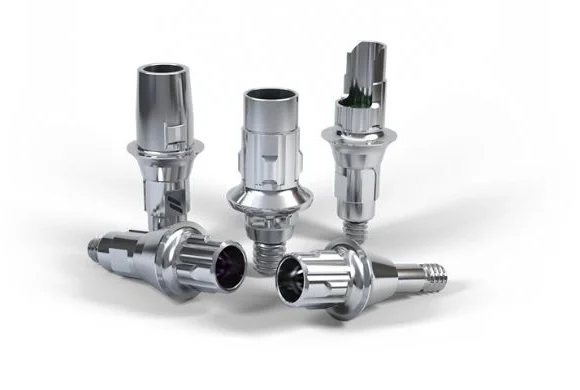
Our implant solutions include custom abutments, implant crowns, implant bridges, and full-arch prosthetics. Additionally, we offer digital implant planning and our innovative TattooTH service for practices looking to elevate their implant workflows.
First, we receive digital scans or physical impressions from the practice. Next, our technicians design the restoration using advanced CAD software. Then, we mill the restoration using precision CAD/CAM equipment. Finally, we deliver a finished product that is ready for delivery with minimal chairside adjustment needed.
Frequently Asked Questions About Dental Implants Cost
Why does dental implants cost vary so much from case to case?
Several factors drive variation, including the number of implants, the type of restoration, the materials selected, and the complexity of the surgical and lab work involved. Therefore, every treatment plan should be evaluated individually.
How does the dental lab affect the overall cost of an implant case?
The lab fabricates the visible restoration — the crown, bridge, or prosthetic. A high-quality digital lab reduces remakes and chairside time. As a result, the practice saves money on adjustments and re-dos, even if the lab fee is slightly higher upfront.
What materials are most commonly used for implant crowns?
Zirconia is currently one of the most popular materials for implant crowns. It offers excellent strength and natural aesthetics. However, porcelain-fused-to-metal and hybrid composites are also used depending on the clinical situation and patient needs.
What is digital implant planning, and how does it help manage cost?
Digital implant planning uses digital scans and imaging data to map the surgical placement before the procedure begins. This reduces guesswork, minimizes complications, and can lower overall treatment costs by avoiding costly errors during surgery.
Can Arizona dentists outside of Phoenix use Dentek Digital?
Yes. While we are based in Phoenix and serve the Greater Phoenix area — including Mesa, Tempe, Chandler, Gilbert, and Scottsdale — we also work with dental practices across Arizona and nationally. Contact us to learn more about how we can support your practice.
Partner With a Digital Lab That Elevates Your Implant Cases
Dental implants represent a significant investment for patients. Therefore, the quality of the restoration must match the value of the procedure. Partnering with a trusted digital dental lab ensures that every implant case delivers the outcome patients expect.
At Dentek Digital, we combine advanced CAD/CAM technology with skilled craftsmanship to fabricate implant restorations that are precise, reliable, and beautiful. Furthermore, our team collaborates closely with dental professionals to support better patient outcomes across the Greater Phoenix area.
If you are ready to elevate your implant cases, contact Dentek Digital today and let our team show you what a true digital lab partnership can do for your practice.