
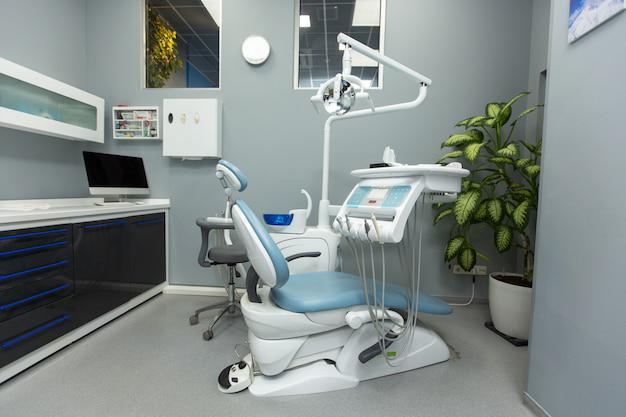
When patients need to replace most or all of their teeth, full mouth dental implants offer a life-changing solution. This restorative approach combines dental implant posts with custom-fabricated prosthetics. The result is a stable, natural-looking smile that functions like real teeth.
For dentists, the quality of the restoration matters just as much as the surgical process. Therefore, choosing the right dental lab partner is critical. At Dentek Digital in Phoenix, Arizona, we help dental professionals deliver exceptional implant restorations backed by advanced CAD/CAM technology.
In this guide, we explore what full mouth dental implants involve, how the lab process works, and what dentists should know. Additionally, we share how our digital workflow supports better outcomes for patients from Scottsdale to Chandler and beyond.
What Are Full Mouth Dental Implants?
Full mouth dental implants replace an entire arch — or both arches — of missing or failing teeth. They use titanium posts placed in the jawbone as anchors. These posts then support a fixed or removable prosthetic restoration.
This treatment differs from traditional dentures. Because implants integrate with the bone, they provide superior stability and function. Patients can eat, speak, and smile with confidence.
Common Full Mouth Implant Options
There are several approaches dentists use for full mouth reconstruction. Each has unique lab requirements. Here are the most common solutions:
- All-on-4 or All-on-X: A full arch prosthetic supported by four or more implants. This is one of the most popular full mouth solutions today.
- Implant-supported overdentures: A removable prosthetic that snaps onto implant attachments. It offers flexibility for certain patients.
- Full arch fixed bridges: A non-removable bridge anchored to multiple implants. This option mimics natural teeth most closely.
- Hybrid prosthetics: A combination of acrylic or porcelain with a titanium or zirconia framework. These are common in full mouth cases.
Each option requires precise fabrication. Therefore, the dental lab plays a central role in the success of every case.
Why the Lab Process Matters So Much
Full mouth implant cases are among the most complex restorations in dentistry. Furthermore, they demand high precision at every step. A small error in fit or occlusion can create significant problems for the patient.
At Dentek Digital, we use advanced CAD/CAM technology to design and fabricate every restoration digitally. This workflow reduces human error. As a result, restorations fit more accurately right from the start.
Our Digital CAD/CAM Workflow
CAD/CAM stands for computer-aided design and computer-aided manufacturing. In simple terms, we design restorations on a computer. Then, milling machines or 3D printers fabricate the final product with extraordinary precision.
For full mouth implant cases, this process typically includes:
- Digital scan file review from the dentist’s intraoral scanner
- 3D design of the implant framework and prosthetic
- Milling or printing of the restoration from high-quality materials
- Finishing and quality checks by skilled dental lab technicians
Moreover, digital planning allows us to verify the design before fabrication begins. This proactive step saves time and reduces remakes.
Materials We Use for Full Mouth Implant Cases
Material selection is another critical factor. We offer multiple high-quality options depending on the clinical situation. For example, zirconia frameworks offer excellent strength and aesthetics. Additionally, titanium bars provide a reliable substructure for hybrid prosthetics.
Our team works closely with the treating dentist to select the best material for each case. We consider function, aesthetics, and the patient’s specific needs. This collaborative approach is central to everything we do.
How Digital Implant Planning Supports Better Outcomes
One of our most valuable services is digital implant planning. This advanced process uses 3D imaging data to plan implant placement before surgery begins. As a result, dentists can approach cases with greater confidence and precision.
Digital planning aligns the surgical and restorative phases of treatment. Therefore, the final restoration fits better and functions more predictably. This is especially important in full mouth cases where multiple implants must work together.
At Dentek Digital, we offer digital implant planning as a dedicated service. Dental professionals across the Greater Phoenix area — including Mesa, Tempe, Gilbert, and Scottsdale — rely on this service to improve their implant workflows.
The Role of Surgical Guides
Digital planning often includes the fabrication of a surgical guide. This is a custom device that directs implant placement during surgery. It ensures each implant is placed at the correct angle and depth.
Surgical guides are designed from 3D planning data. Consequently, they help translate the digital plan into accurate real-world placement. This reduces variability and supports a more predictable outcome.
Supporting Dentists in the Greater Phoenix Area
Dentek Digital is based in Phoenix, Arizona. We proudly serve dental practices throughout the Greater Phoenix metropolitan area. Our partners include practices in Scottsdale, Mesa, Chandler, Tempe, and surrounding communities.
We were among the earliest adopters of the digital CAD/CAM workflow in the country. Because of this, we have built deep expertise in complex restorative cases. Full mouth implant restorations are a significant part of what we do every day.
Additionally, we understand that dentists need a lab partner who communicates clearly and delivers on time. We prioritize responsiveness and collaboration on every case we handle.
What Sets Our Lab Apart
Many dental labs offer implant restorations. However, not all labs combine digital precision with skilled craftsmanship the way Dentek Digital does. Here is what makes us different:
- National leadership in digital dentistry: We are recognized as a leader in the digital dental lab space.
- Early CAD/CAM adoption: We built our expertise long before digital dentistry became mainstream.
- Full-service capabilities: We offer fixed restorations, removables, splints, nightguards, and implant solutions under one roof.
- TattooTH technology: We offer this advanced service for unique identification of dental prosthetics.
- Collaborative approach: We work as an extension of your team, not just a vendor.
Furthermore, our team of skilled dental lab technicians brings craftsmanship to every case. Technology enhances our work — but it does not replace the human expertise behind it.
Tips for Dentists Managing Full Mouth Implant Cases
Full mouth cases require careful coordination between the clinical and lab phases. Here are some practical tips to support smoother case management:
- Use digital impressions when possible: Intraoral scans reduce distortion and improve fit accuracy. Send digital files directly to our lab for faster turnaround.
- Communicate the treatment plan early: Share your full plan at the start of the case. This helps us anticipate the restorative design from the beginning.
- Plan the smile design before surgery: A diagnostic wax-up or digital smile design helps align expectations before implants are placed.
- Consider the occlusion carefully: Full mouth cases require thorough occlusal planning. Discuss bite design with our team early in the process.
- Allow adequate time for complex cases: Full mouth restorations take time to do right. Build realistic timelines into your treatment plan.
On the other hand, rushing any phase of a full mouth implant case often leads to complications. Investing time upfront saves significant effort later.
Frequently Asked Questions About Full Mouth Dental Implants
What makes full mouth dental implants different from single implants?
Full mouth dental implants replace an entire arch or both arches of teeth. Single implants replace one tooth at a time. Full mouth cases are far more complex and require comprehensive planning across multiple implant positions.
How does a digital lab improve full mouth implant outcomes?
A digital lab uses CAD/CAM technology to design and fabricate restorations with high precision. This reduces errors and improves fit. Additionally, digital workflows allow for better communication between the lab and the dentist.
What materials are best for full mouth implant restorations?
The best material depends on the clinical situation. Zirconia is popular for its strength and aesthetics. Titanium frameworks are common in hybrid prosthetics. Our team helps dentists select the right material for each individual case.
Can Dentek Digital help with implant planning as well as fabrication?
Yes. We offer digital implant planning as a dedicated service. This helps dentists align the surgical and restorative phases before treatment begins. As a result, cases tend to go more smoothly from surgery through final delivery.
How do dentists send cases to Dentek Digital?
Dentists can submit digital scan files and case details directly through our case submission process. Our team reviews each case and works closely with the dentist throughout the restoration process.
Partner With Dentek Digital for Your Implant Cases
Full mouth dental implants represent one of the most rewarding — and demanding — areas of modern dentistry. Therefore, having the right lab partner makes all the difference. Dentek Digital brings together digital precision, advanced technology, and skilled craftsmanship to support your most complex cases.
We serve dental professionals throughout Phoenix, Scottsdale, Mesa, Chandler, Tempe, and the broader Greater Phoenix area. Whether you need implant-supported restorations, digital planning, or full arch prosthetics, we are here to help.
Ready to elevate your implant cases? Contact Dentek Digital today to send us a case or request a consultation with our team. We look forward to partnering with you.