
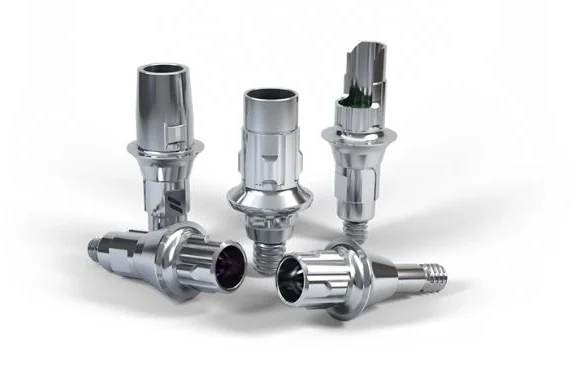
Full mouth dental implants represent one of the most transformative solutions in modern restorative dentistry. Patients who have lost most or all of their teeth can regain function, confidence, and quality of life. As a result, demand for these restorations has grown steadily across the country.
At Dentek Digital, we fabricate high-quality implant restorations for dental practices throughout the Greater Phoenix, Arizona area. We combine advanced CAD/CAM technology with skilled lab craftsmanship. Therefore, dentists can deliver precise, reliable results for their full arch implant cases.
Whether your practice is located in Phoenix, Scottsdale, Mesa, or Chandler, understanding how full mouth implant restorations are made matters. In this post, we break down the process, the technology, and what dental professionals should know.
What Are Full Mouth Dental Implants?
Full mouth dental implants replace an entire arch — or both arches — of missing teeth. They are anchored directly into the jawbone using titanium implant posts. Because of this, they function much like natural tooth roots.
The most common full arch solutions include implant-supported fixed bridges and implant-retained overdentures. Additionally, the popular All-on-4 and All-on-X concepts fall under this category. These approaches use a limited number of implants to support a full arch prosthesis.
For dental professionals, the restorative phase is just as critical as the surgical phase. Moreover, the quality of the lab-fabricated prosthesis directly affects long-term outcomes. That is why partnering with a skilled digital dental lab is essential.
Fixed vs. Removable Full Arch Options
Fixed implant prostheses are permanently attached to the implants. Patients cannot remove them at home. On the other hand, removable implant-retained overdentures snap onto locator attachments or bar frameworks.
Each option has clinical advantages depending on the patient’s bone structure, lifestyle, and budget. Therefore, treatment planning must be individualized. A digital workflow helps labs and dentists collaborate closely on each unique case.
The Role of Digital Technology in Full Arch Implant Restorations
Digital dentistry has fundamentally changed how full arch implant restorations are designed and fabricated. Traditional analog methods relied heavily on manual impressions and plaster models. However, digital workflows use intraoral scans and CAD/CAM software for far greater precision.
At Dentek Digital, we were among the earliest adopters of the digital CAD/CAM workflow in the country. Furthermore, we continue to invest in the latest technology to stay at the forefront of digital dentistry. Our lab serves dental practices across Phoenix, Tempe, Gilbert, and the broader Arizona region.
CAD/CAM Design and Milling
CAD stands for computer-aided design. CAM stands for computer-aided manufacturing. Together, these systems allow our technicians to digitally design a restoration and then mill it from high-quality materials with extreme accuracy.
For full arch implant cases, we use CAD/CAM technology to design frameworks and prostheses that fit precisely on implant abutments. Additionally, digital design allows for easy adjustments before a single material is milled. This reduces the risk of costly remakes and chair time for dentists and their patients.
Digital Implant Planning
Dentek Digital also offers advanced digital implant planning services. This service helps dental professionals visualize the ideal implant positions before surgery. As a result, the restorative and surgical phases align more predictably.
Digital implant planning uses 3D imaging data to create a virtual model of the patient’s anatomy. Next, the ideal prosthetic outcome drives the implant placement plan. This approach — known as prosthetically driven implant planning — leads to better functional and aesthetic results.
Materials Used in Full Mouth Implant Restorations
The choice of material greatly impacts the strength, aesthetics, and longevity of a full arch prosthesis. Therefore, dental labs and clinicians must select materials carefully based on each case.
At Dentek Digital, we work with a range of premium restorative materials. Our team helps dental practices across the Phoenix area select the right material for each patient’s clinical needs.
Zirconia
Zirconia is one of the most popular materials for full arch implant prostheses. It is extremely strong and highly aesthetic. Furthermore, zirconia is biocompatible, meaning it is well-tolerated by the body.
Full arch zirconia bridges are milled from solid pucks using our CAD/CAM systems. Additionally, layered zirconia options offer enhanced translucency for a more natural appearance. Our technicians have extensive experience designing and finishing zirconia restorations.
Acrylic and Hybrid Materials
Acrylic-based prostheses are often used in the provisional or transitional phase of full arch implant treatment. They are lighter and easier to modify chairside. However, they are not as durable as zirconia for long-term use.
Hybrid materials — which combine acrylic teeth with a milled framework — offer a middle ground. They provide good aesthetics and improved strength over traditional denture acrylics. Moreover, they are often used in final implant-supported overdentures.
The Full Arch Restoration Workflow at Dentek Digital
Understanding our workflow helps dental practices submit cases efficiently and set accurate patient expectations. Additionally, a clear process reduces errors and improves turnaround times.
Step 1: Case Submission
Dental practices begin by submitting the case to our lab. We accept digital scans, STL files, and traditional impressions. Furthermore, detailed prescription information and photos help our technicians understand the clinical goals.
Our team reviews every submission carefully before fabrication begins. This step helps us catch any issues early. As a result, we reduce the likelihood of remakes and delays.
Step 2: Digital Design
Once we receive the case, our technicians begin the CAD design process. We use industry-leading software to design the restoration virtually. Next, the design is reviewed for fit, occlusion, and aesthetics before milling.
For implant cases, we also verify that implant positions and abutment specifications match the design. This is especially important for multi-unit implant restorations. Therefore, accuracy at this stage protects the final outcome.
Step 3: Milling and Finishing
After approval, the restoration is milled using our CAM equipment. Our technicians then finish and polish the prosthesis by hand. This combination of technology and craftsmanship is a hallmark of Dentek Digital’s approach.
Finally, every restoration is inspected before it leaves our Phoenix lab. We check for fit, margins, and aesthetics on every case. This quality control process ensures that dental practices receive restorations they can trust.
Supporting Dental Practices Across Greater Phoenix
Dentek Digital proudly serves dental professionals throughout the Greater Phoenix metropolitan area. Our clients include general dentists, prosthodontists, and oral surgeons. Furthermore, we work with practices of all sizes — from solo practitioners to multi-location groups.
Practices in communities like Scottsdale, Mesa, Tempe, Chandler, and Gilbert rely on our lab for their most complex implant cases. We understand the demands of a busy dental practice. Therefore, we prioritize fast, reliable turnaround times without compromising quality.
Beyond implant restorations, we also offer a full range of lab services. These include fixed restorations, removable prosthetics, splints and nightguards, and our exclusive TattooTH service. As a result, we serve as a true full-service digital lab partner for Arizona dental professionals.
Tips for Dental Practices Managing Full Arch Implant Cases
Full mouth implant cases are among the most complex in restorative dentistry. However, a well-organized clinical and lab process makes them manageable. Here are a few practical tips for dental practices.
- Use digital impressions when possible. Intraoral scans improve accuracy and reduce the chance of distortion compared to traditional impressions.
- Communicate clearly with your lab. Provide detailed prescriptions, photos, and shade information on every case. Additionally, include your patient’s desired outcome and any special considerations.
- Plan the restoration before surgery. Prosthetically driven planning leads to better implant placement and more predictable restorative outcomes.
- Use provisionals strategically. A well-made provisional prosthesis guides tissue healing and helps finalize the occlusal scheme before the definitive restoration is made.
- Partner with a trusted digital lab. A lab with strong CAD/CAM capabilities and implant expertise will be your most valuable partner in full arch cases.
Frequently Asked Questions About Full Mouth Dental Implants
What is the difference between All-on-4 and a full arch implant bridge?
All-on-4 is a treatment concept that uses four strategically placed implants to support a full arch prosthesis. A full arch implant bridge is the restorative component placed on those implants. Therefore, All-on-4 describes the surgical approach, while the bridge describes the restoration itself.
How long does it take to fabricate a full arch implant restoration?
Turnaround time varies depending on the complexity of the case and the material chosen. However, digital workflows at Dentek Digital are designed to be efficient. We work closely with dental practices to meet clinical timelines whenever possible.
What information does a dental lab need to fabricate a full arch prosthesis?
The lab needs implant level impressions or scans, bite registration, shade information, and a detailed prescription. Additionally, photos of the patient’s face and smile are very helpful. The more information provided, the better the lab can customize the restoration.
Can Dentek Digital handle full arch cases for practices outside of Phoenix?
Yes. While we primarily serve dental practices across the Greater Phoenix area, we also work with practices in other regions. Our digital submission process makes it easy to collaborate regardless of location. Furthermore, we accept digital files electronically, which streamlines the process.
What makes a digital dental lab different from a traditional lab?
A digital dental lab uses CAD/CAM software and milling technology to design and fabricate restorations digitally. Traditional labs rely more heavily on manual techniques. As a result, digital labs like Dentek Digital offer greater precision, faster turnaround, and more consistent results for complex cases like full arch implants.
Partner With Dentek Digital for Your Full Arch Implant Cases
Full mouth dental implants require exceptional precision and expert fabrication. At Dentek Digital, we bring together advanced CAD/CAM technology and decades of lab expertise. Therefore, dental practices across Phoenix, Scottsdale, Mesa, Chandler, and beyond trust us with their most demanding cases.
We are committed to helping dental professionals achieve outstanding outcomes for their patients. Our team is ready to support you through every step of the full arch restoration process. Additionally, we offer digital implant planning, TattooTH services, and a full range of restorative solutions.
Ready to take your full arch implant cases to the next level? Contact Dentek Digital today to discuss your case or get started with a submission. We look forward to partnering with your practice.