
The CAD evolution in dentistry has changed everything. What once required days of manual labor can now be designed and fabricated with remarkable precision. Digital workflows have replaced outdated processes across the industry.
For dental practices in Phoenix, Mesa, Chandler, and Scottsdale, this shift matters. Patients expect faster turnaround, better fit, and longer-lasting restorations. Therefore, understanding how CAD technology has progressed helps you make smarter lab choices.
At Dentek Digital, we have been part of this transformation from the very beginning. We were among the earliest adopters of digital CAD/CAM workflows in the country. As a result, our team brings deep experience and cutting-edge capability to every case we handle.
What Is Dental CAD Technology?
CAD/CAM dentistry stands for Computer-Aided Design and Computer-Aided Manufacturing. In simple terms, it means using software to design a restoration and machines to mill or print it. This approach replaced much of the traditional hand-waxing and casting process.
Furthermore, CAD software allows lab technicians to design with extreme accuracy. Every contour, margin, and contact point can be refined digitally. This level of control simply was not possible with older methods.
Why the Shift to Digital Mattered
Traditional dental lab work relied heavily on plaster models and manual sculpting. However, these methods introduced room for human error at every step. Digital design reduced those variables significantly.
Additionally, digital files can be stored, shared, and revised without physical loss. A case from Gilbert or Tempe can be submitted electronically and reviewed instantly. This efficiency benefits both the lab and the dental practice.
Early Days of CAD in the Dental Lab
CAD technology first entered dentistry decades ago. Early systems were expensive, limited in scope, and required extensive training. Only a handful of labs had the resources to invest in them.
Meanwhile, the software itself was basic by today’s standards. Technicians could design simple restorations, but complex cases still required manual finishing. Despite that, even early CAD tools improved consistency over purely handcrafted methods.
The First Wave of Digital Adoption
The first dental labs to adopt CAD systems gained a real competitive edge. They produced more consistent crowns, bridges, and copings. Moreover, they could take on higher case volumes without sacrificing quality.
Dentek Digital was part of this first wave. Because of this early investment, our team built a foundation of digital expertise that continues to grow today. Our Phoenix-area dental partners have benefited from that head start ever since.
How CAD Technology Has Advanced Over Time
Today’s CAD software is dramatically more powerful than early versions. Modern programs feature intuitive interfaces, AI-assisted design suggestions, and seamless integration with digital scanners. As a result, the entire workflow has become faster and more accurate.
Furthermore, material libraries within CAD software have expanded. Technicians can now design for zirconia, lithium disilicate, PMMA, and more — all within the same platform. Each material has specific design parameters the software automatically accounts for.
Smarter Design Tools
Current CAD platforms use intelligent automation to suggest occlusal surfaces and margin placements. However, skilled technicians still review and refine every design. Technology assists the technician — it does not replace their expertise.
In addition, smile design tools now allow full arch planning before any milling begins. This helps dental practices in Scottsdale and Chandler plan complex cosmetic cases with confidence. Therefore, both dentist and patient can visualize the final outcome in advance.
Integration With Digital Scanners
Modern intraoral and desktop scanners feed directly into CAD software. This eliminates the need for physical impressions in many cases. As a result, cases arrive at the lab faster and with higher-fidelity data.
Digital scan files are also easier to work with than stone models. They can be manipulated, measured, and cross-referenced without any physical handling. Additionally, they eliminate the distortion that can occur during impression shipping.
If your practice is ready to streamline your workflow, contact Dentek Digital to explore our digital case submission process.
CAD Evolution and the Range of Dental Restorations
Early CAD systems primarily produced single-unit crowns. Today, the range is far broader. Fixed restorations, implant-supported prosthetics, removables, and splints all benefit from digital design.
Furthermore, full-arch cases that once took weeks can now be designed and fabricated in a fraction of that time. Complex implant cases are planned digitally before any surgery occurs. This level of precision improves outcomes across the board.
Fixed Restorations
CAD technology has made fixed restorations more accurate than ever. Crowns and bridges designed digitally exhibit tighter margins and better fit. Therefore, chair time for adjustments is often reduced during delivery.
Materials like full-contour zirconia and lithium disilicate are optimized within CAD software. Each restoration is designed with the specific material’s properties in mind. As a result, strength and esthetics are both maximized.
Implant Planning and Guided Surgery
One of the most exciting advances tied to the CAD evolution is digital implant planning. Using CBCT scan data and digital models, our team can help plan implant placement with surgical precision. This service is available to dental practices across the Greater Phoenix area, including Mesa and Gilbert.
Additionally, our TattooTH service takes digital dentistry even further. This advanced option gives dental professionals a powerful new tool for patient communication and case planning. Moreover, it reflects how far CAD-based technology has come from its early roots.
Removables and Nightguards
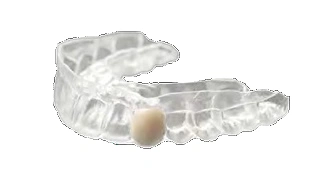
Digital design has also improved removable appliances and occlusal splints. CAD software allows for precise articulation and occlusal mapping. Because of this, nightguards and splints fit better and last longer than traditionally fabricated versions.
What This Means for Phoenix-Area Dental Practices
Dental practices across Phoenix, Tempe, Chandler, and Mesa are increasingly moving toward digital workflows. Patients are becoming more informed and expect modern solutions. Therefore, partnering with a digitally advanced lab is no longer optional — it is essential.
Working with a lab that embraces the CAD evolution means faster case turnaround. It also means more predictable outcomes and fewer remakes. Additionally, digital records make it easier to revisit and reproduce cases when needed.
Choosing the Right Digital Lab Partner
Not all dental labs offer the same level of digital capability. When evaluating a lab partner, consider how long they have been using CAD/CAM workflows. Also, ask about the range of restorations they can fabricate digitally.
Furthermore, look for a lab that communicates clearly and responds quickly. A strong digital workflow should include easy file submission and reliable turnaround times. Dentek Digital was built around exactly this kind of partnership model.
- Ask about digital scan acceptance: A true digital lab accepts intraoral scan files directly.
- Review their material options: Look for zirconia, lithium disilicate, and other modern materials.
- Confirm implant planning capabilities: Advanced labs offer more than just crowns and bridges.
- Check turnaround expectations: Digital workflows should offer predictable and efficient timelines.
- Evaluate communication quality: A responsive team is just as important as great technology.
Frequently Asked Questions About Dental CAD Technology
What does CAD stand for in dental lab work?
CAD stands for Computer-Aided Design. In dental labs, it refers to software used to design restorations digitally before they are milled or printed. This process is part of the broader CAD/CAM workflow.
How has CAD technology improved dental restorations?
Modern CAD tools allow for more precise margins, better occlusal design, and material-specific engineering. As a result, restorations fit better and tend to require fewer adjustments. Overall quality and consistency have improved significantly.
Can all dental practices submit digital cases to Dentek Digital?
Yes. We accept digital scan files and work with practices across the Greater Phoenix area, including Scottsdale, Gilbert, Chandler, Mesa, and Tempe. Additionally, practices new to digital workflows can reach out to our team for guidance.
What types of restorations can be made using CAD technology?
CAD technology supports a wide range of restorations. These include crowns, bridges, implant components, dentures, removables, and occlusal splints. Furthermore, digital implant planning is also made possible through advanced CAD tools.
Why is Dentek Digital considered a leader in digital dentistry?
Dentek Digital was among the first labs in the country to adopt digital CAD/CAM workflows. Because of this early investment and continued growth, we bring both deep experience and advanced technology to every case. Our Phoenix-based team combines skilled craftsmanship with the latest digital tools.
Partner With a Lab That Leads the CAD Evolution
The CAD evolution in dentistry is not slowing down. New tools, smarter software, and expanding material options continue to raise the standard of care. Therefore, staying ahead means working with a lab that is always advancing.
At Dentek Digital, we combine technology and craftsmanship to deliver restorations that perform and look exceptional. We serve dental practices across Phoenix, Mesa, Scottsdale, Tempe, Chandler, Gilbert, and beyond. Moreover, our team is always ready to support your next case — simple or complex.
Explore your options and take the next step toward a better digital workflow. Reach out to the Dentek Digital team today and let us show you what a true digital lab partner can do.