
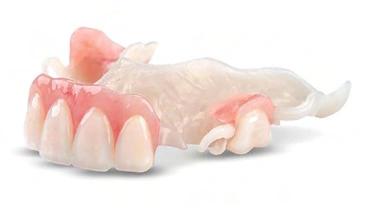
Great restorations begin long before a technician touches a milling block. They begin with strong digital case design. When dentists and labs invest in the design phase, every step that follows becomes more predictable. The result is a restoration that fits, functions, and lasts.
At Dentek Digital, we have refined our CAD/CAM workflow through years of experience as one of the earliest adopters of digital dentistry in the country. Our Phoenix lab partners with dental practices across Greater Phoenix — from Scottsdale to Chandler — to deliver precisely designed restorations every time.
In this post, we share practical best practices for digital case design. Whether you are a dentist submitting cases or a team looking to improve your workflow, these tips will help you get better outcomes for your patients.
Why Digital Case Design Matters
Digital case design is the foundation of every CAD/CAM restoration. A well-designed case reduces remakes, shortens turnaround times, and improves patient satisfaction. On the other hand, a poorly designed case creates problems at every stage of fabrication.
Furthermore, strong design communication between the dentist and the lab sets clear expectations. When both parties understand the case goals from the start, the final restoration is far more likely to meet or exceed those goals.
The Role of CAD/CAM Technology
CAD/CAM dentistry uses computer-aided design and computer-aided manufacturing to create precise dental restorations. The process starts with a digital scan and ends with a milled or printed restoration. Therefore, every detail captured in the design phase directly affects the quality of the finished product.
Advanced CAD software allows technicians to virtually articulate cases, evaluate occlusion, and refine margins before fabrication begins. This means fewer surprises when the restoration arrives at the dental chair.
Start with a High-Quality Digital Scan
Good digital case design depends on accurate data. First and foremost, the intraoral scan must be clean, complete, and free of voids. A scan with missing tissue or blurred margins creates guesswork for the technician — and guesswork leads to errors.
Additionally, capturing the opposing arch and bite registration digitally gives the lab everything it needs to design proper occlusion. Missing either of these elements is one of the most common causes of remakes.
Scan Submission Tips for Dental Practices
- Capture full arch scans — avoid partial scans whenever possible.
- Include the opposing arch — occlusal design requires this data.
- Record a bite scan — even for single-unit cases, a bite scan improves accuracy.
- Check for voids — review the scan before submission and fill any gaps.
- Confirm margin visibility — the prep margin must be clearly visible in the scan.
Dental practices in Mesa, Chandler, and Gilbert have found that reviewing scans before submission dramatically reduces communication back-and-forth with the lab. As a result, cases move faster and patients are seated sooner.
Provide Clear and Complete Case Notes
Scan quality is only half of the equation. The other half is communication. Clear case notes help the design team understand your clinical goals before they open the file. Moreover, detailed notes reduce the need for clarifying calls and emails that slow the process down.
Think of case notes as a brief creative brief for your technician. Include the shade, material preference, restoration type, contact preferences, and any special occlusal considerations. The more context you provide, the more precisely the technician can design to your vision.
What to Include in Your Case Notes
- Restoration type — crown, bridge, veneer, implant crown, etc.
- Material selection — zirconia, e.max, PMMA, hybrid ceramic, etc.
- Shade information — include the shade guide used and any custom notes.
- Contact tightness preference — light, medium, or heavy contacts.
- Occlusal notes — any parafunction, wear patterns, or bite concerns.
- Patient photos — smile photos or retracted photos are always helpful.
If you are submitting a complex case — such as a full-arch implant case or a full-mouth rehabilitation — consider scheduling a pre-design consultation. Contact Dentek Digital so our team can review the case with you before fabrication begins.
Design for Function, Not Just Aesthetics
Beautiful restorations that do not function well are not truly successful. Therefore, digital case design must prioritize occlusion, contact points, and emergence profile alongside aesthetics. A restoration designed with function in mind will last longer and require fewer adjustments.
At Dentek Digital, our technicians evaluate each case for proper occlusal anatomy, cusp-fossa relationships, and lateral excursion. This level of attention during the design phase translates directly to a restoration that seats smoothly and functions naturally.
Occlusal Design Considerations
Occlusion is one of the most technically demanding aspects of digital case design. However, modern CAD software gives technicians powerful tools to evaluate and refine the bite virtually. This allows for adjustments before any material is milled or printed.
For patients with known parafunctional habits — such as bruxism — design choices like cusp angle and material selection become even more important. Additionally, these patients may benefit from a custom splint or nightguard, which Dentek Digital also fabricates as part of our full-service offerings.
Material Selection and Its Impact on Design
Material choice directly influences how a restoration is designed. For example, high-translucency zirconia requires different design parameters than a lithium disilicate veneer or a full-contour monolithic crown. Because of this, material selection should happen before the design begins — not after.
Our lab works with a wide range of advanced materials. Dental practices across Scottsdale, Tempe, and the broader Phoenix metro area rely on us to recommend the right material for each clinical situation. We are happy to advise when there is any uncertainty.
Matching Material to Clinical Need
- Anterior esthetics — high-translucency zirconia or lithium disilicate for natural appearance.
- Posterior strength — full-contour monolithic zirconia for high-stress zones.
- Implant restorations — screw-retained or cement-retained options, depending on access and angulation.
- Temporaries — PMMA or composite-based materials for long-term provisionals.
When the right material is chosen early, the design team can apply the correct wall thickness, connector size, and surface texture from the start. This prevents redesigns and keeps your case on schedule.
Reviewing and Approving Designs Efficiently
Many digital labs now offer design approval workflows where dentists can review a virtual design before fabrication. This step adds a layer of quality control that was simply not possible with traditional analog processes. Furthermore, it gives the dentist confidence before any material is committed.
When reviewing a design, focus on emergence profile, contact points, occlusal anatomy, and overall contour. If something looks off, flag it specifically. Vague feedback like “adjust the shape” is less helpful than “reduce the buccal contour in the middle third.”
Tips for Efficient Design Reviews
- Review promptly — faster approvals mean faster turnaround for your patients.
- Be specific — detailed feedback leads to faster, more accurate revisions.
- Use screenshots — annotated images communicate changes more clearly than text alone.
- Trust your lab — experienced technicians design with clinical intent; ask if something is unclear.
Building a Consistent Lab Partnership
The best digital case design outcomes come from strong, ongoing lab-dentist relationships. When a dentist consistently works with the same lab team, technicians learn their preferences, occlusal philosophy, and aesthetic standards. As a result, every case becomes more efficient and more predictable over time.
Dentek Digital works with dental practices across Phoenix, Mesa, Scottsdale, and surrounding communities to build exactly these kinds of partnerships. We are not just a vendor — we are a clinical partner invested in your patients’ outcomes.
If you are ready to elevate your restorative workflow, explore your options by reaching out to our team. We are here to support you from scan submission to final delivery.
Frequently Asked Questions About Digital Case Design
What information should I send with a digital case submission?
Send a full arch scan, opposing arch scan, bite registration, shade information, restoration type, material preference, and any special occlusal or esthetic notes. The more detail you provide, the better the outcome.
How does scan quality affect the final restoration?
Scan quality is critical. Voids, missing margins, or blurred detail force the technician to make assumptions during design. This increases the risk of a poor fit or a remake. Always review your scan before submission.
Can Dentek Digital help me choose the right material?
Absolutely. Our team is experienced in matching materials to clinical situations. If you are unsure which material best fits a case, send us a case note and we will advise before design begins.
What is the benefit of a design approval step?
Design approval lets you review the virtual restoration before fabrication. It adds a quality checkpoint that catches issues early — saving time, reducing remakes, and giving you confidence before the case is milled.
How do I get started with Dentek Digital?
Getting started is simple. Send us a case through our online portal or reach out to our team directly. We work with dental practices across Greater Phoenix and are always happy to walk new partners through our process.
Partner with Dentek Digital for Better Case Outcomes
Strong digital case design is one of the most valuable investments a dental practice can make. It reduces remakes, shortens turnaround times, and delivers restorations that seat confidently and function beautifully.
At Dentek Digital, we bring advanced CAD/CAM technology and skilled craftsmanship together to support dental practices across Phoenix, Scottsdale, Chandler, Gilbert, Mesa, and Tempe. We are proud to be a trusted lab partner for practices that demand the highest quality restorations available today.
Ready to improve your digital workflow? Contact Dentek Digital today and let our team help you design better cases — and deliver better outcomes for your patients.