
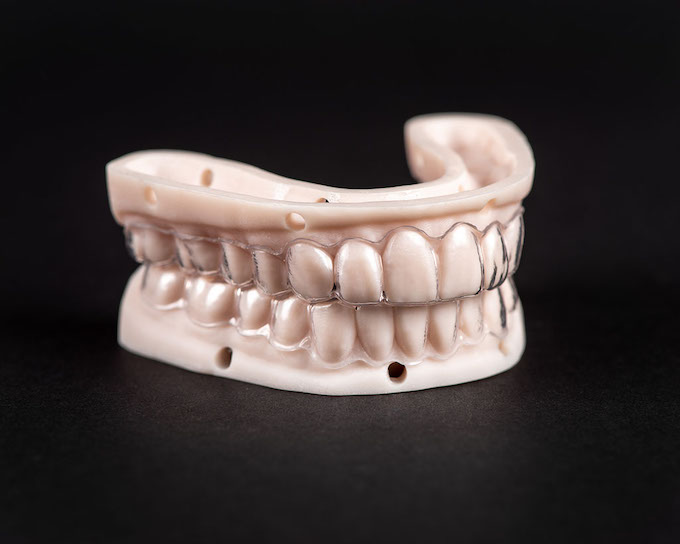
How Dental Lab Technology Has Changed Everything
Dental lab technology has advanced dramatically over the past few decades. What once took days of manual craftsmanship can now be completed with digital precision in a fraction of the time. For dentists and dental practices across the Greater Phoenix area, this shift has opened the door to better outcomes and more efficient workflows.
At Dentek Digital, we have been at the forefront of this transformation. We were among the earliest adopters of the digital CAD/CAM workflow in the country. Today, we help dentists in Phoenix, Mesa, Scottsdale, Chandler, and Gilbert deliver restorations that are more accurate and consistent than ever before.
Understanding how dental lab technology has evolved helps dental professionals make smarter decisions for their patients. Therefore, let us take a closer look at this remarkable journey — from traditional handcrafting to the cutting-edge digital systems shaping dentistry today.
The Traditional Era: Skilled Hands and Manual Methods
For most of dental history, lab technicians worked almost entirely by hand. They poured plaster models, waxed up restorations, and cast metal frameworks using time-tested techniques. These methods required exceptional skill and years of training to master.
However, the process was slow and highly dependent on individual technique. Margins of error existed at every step. Additionally, turnaround times were often long, which meant patients waited longer for their crowns, bridges, and dentures.
The Limitations of Analog Workflows
Traditional workflows also relied heavily on physical impressions. Impression materials could shift or distort during the process. As a result, even a well-made restoration sometimes required adjustment at delivery.
Furthermore, communication between the dentist and the lab was limited. Cases traveled back and forth by mail. Meanwhile, there was little room for real-time collaboration or fast corrections. These challenges pushed the dental industry to search for better solutions.
The Digital Revolution in Dental Lab Technology
The introduction of CAD/CAM dentistry changed everything. CAD/CAM stands for Computer-Aided Design and Computer-Aided Manufacturing. It allows dental labs to design restorations digitally and mill or print them with remarkable precision.
Digital scanners replaced messy impression materials. Design software replaced wax and hand tools. Milling machines and 3D printers replaced traditional casting equipment. Because of this, the entire workflow became faster, cleaner, and more accurate.
What CAD/CAM Technology Makes Possible
With CAD/CAM systems, dental labs can fabricate crowns, bridges, veneers, implant components, and full-arch restorations with consistent accuracy. Digital design files are precise down to fractions of a millimeter. Therefore, fit and function improve significantly compared to traditional methods.
Additionally, digital workflows make it easier to document and reproduce cases. A design file can be stored, referenced, and modified as needed. This is especially valuable for complex implant cases and full-mouth rehabilitations.
Early Adoption and Its Advantages
Dentek Digital was one of the first labs in the country to embrace the full digital CAD/CAM workflow. Early adoption gave us a head start in refining our processes. As a result, we have developed a level of expertise that benefits every dentist and patient we serve.
Practices in Scottsdale, Mesa, Gilbert, and across the Greater Phoenix area have seen real benefits from partnering with a lab that leads rather than follows in technology adoption. Moreover, staying ahead of the curve means we are always ready to offer the latest innovations as they emerge.
If you are ready to experience what a truly digital lab partnership looks like, contact Dentek Digital today to discuss your next case.
Modern Digital Lab Services: What Is Available Today
Today’s digital dental labs offer a wide range of services that were simply not possible with traditional methods. At Dentek Digital, our solutions span fixed restorations, removables, splints and nightguards, and dental implants. Each category benefits from the precision and efficiency of digital workflows.
Fixed Restorations
Fixed restorations include crowns, bridges, veneers, and inlays and onlays. Digital milling and pressing techniques produce restorations with tight margins and excellent esthetics. Furthermore, material options have expanded greatly, including zirconia, lithium disilicate, and layered ceramics.
These materials offer both strength and natural-looking results. Dentists in Phoenix and surrounding communities can now offer their patients restorations that blend seamlessly with natural dentition.
Removables and Appliances
Removable prosthetics have also benefited from digital technology. Digitally designed dentures and partial frameworks can be fabricated with greater consistency. Additionally, splints and nightguards can be designed and milled for precise fit — an important factor for patient comfort and long-term effectiveness.
Dental Implants
Implant restorations are among the most technically demanding in dentistry. Digital workflows allow for screw-retained crowns, custom abutments, and implant-supported bridges designed with exceptional accuracy. Next, digital implant planning takes this even further.
Dentek Digital offers advanced digital implant planning services that help dental teams visualize and prepare for complex implant cases before the procedure begins. This collaborative approach supports better surgical outcomes and smoother prosthetic delivery.
Advanced Innovations: TattooTH and Digital Implant Planning
Beyond traditional lab services, Dentek Digital offers cutting-edge solutions that represent the next frontier in dental lab technology. Two of our most notable advanced services are TattooTH and digital implant planning.
TattooTH
TattooTH is a unique service that allows dental professionals to add custom artistic elements to restorations. It is a creative and highly personalized option that sets practices apart. Furthermore, it reflects how digital technology continues to push the boundaries of what is possible in the dental lab.
Digital Implant Planning
Digital implant planning uses advanced imaging and design software to map out implant placement with precision. As a result, surgical guides can be fabricated to help dentists place implants accurately and predictably. This service is especially valuable for full-arch implant cases and complex reconstructions.
Practices in Chandler, Tempe, and across the Phoenix metro area are increasingly requesting digital implant planning as part of their treatment workflows. It is a clear example of how dental lab technology continues to evolve and add value at every stage of care.
Why the Right Lab Partner Matters
Technology alone does not guarantee great results. The skill of the technicians who use it matters just as much. At Dentek Digital, we combine advanced digital tools with experienced craftsmanship. This combination produces restorations that are both technically precise and esthetically excellent.
Moreover, a strong lab partnership means clear communication, fast turnaround, and consistent quality. Dentists should look for labs that invest in ongoing training, the latest equipment, and quality materials. Additionally, responsiveness and collaboration are essential for handling complex or time-sensitive cases.
Tips for Choosing a Digital Dental Lab
- Ask about technology: Find out what CAD/CAM systems and materials the lab uses.
- Review case examples: Look for consistent esthetics and fit across different restoration types.
- Evaluate communication: A great lab is easy to reach and proactive about updates.
- Consider turnaround times: Digital workflows should offer faster, more predictable timelines.
- Look for specialization: Labs that focus on digital dentistry tend to deliver more refined results.
Frequently Asked Questions About Dental Lab Technology
What is CAD/CAM technology in dentistry?
CAD/CAM stands for Computer-Aided Design and Computer-Aided Manufacturing. It allows dental labs to design and mill restorations digitally. Therefore, the process is faster and more accurate than traditional methods.
How does digital dentistry benefit dental practices in Phoenix?
Digital workflows reduce turnaround times and improve restoration accuracy. Additionally, digital communication between labs and practices makes case management smoother. Practices in Phoenix, Mesa, Scottsdale, and surrounding areas can deliver a better patient experience as a result.
What types of restorations can a digital lab fabricate?
Digital labs like Dentek Digital fabricate a wide range of restorations. These include crowns, bridges, veneers, implant components, dentures, splints, and nightguards. Furthermore, advanced services like digital implant planning expand what is possible.
Is digital dentistry more accurate than traditional methods?
In most cases, yes. Digital design and milling reduce human error at multiple stages of fabrication. However, success still depends on the quality of the digital scan and the skill of the technician interpreting and refining the design.
How do I get started with Dentek Digital?
Getting started is simple. You can submit a case directly through our online portal. Our team is ready to discuss your case needs, answer questions, and guide you through our workflows. We work with dental practices throughout the Greater Phoenix area.
Partner With Dentek Digital for the Future of Dental Lab Technology
Dental lab technology has come a long way from the days of hand-poured impressions and manually cast frameworks. Today, digital precision, advanced materials, and collaborative workflows are setting a new standard for dental restorations.
At Dentek Digital, we are proud to lead this evolution in Phoenix and across Arizona. Our team combines national-level expertise with a genuine commitment to serving local dental practices and their patients. Whether you are in Chandler, Gilbert, Scottsdale, or right here in Phoenix, we are ready to be your trusted digital lab partner.
Explore your options and take the next step toward a better lab experience. Send us a case or reach out to our team today — we look forward to supporting your practice and your patients.