
When patients face significant tooth loss, one question comes up more than almost any other: implants vs dentures — which is the right choice? It is a decision that affects daily comfort, long-term oral health, and overall quality of life. Understanding the differences clearly helps both patients and their dental providers make confident, well-informed decisions.
Dentists serving communities like Gardnerville, NV rely on high-quality dental lab partners to deliver restorations that truly perform. At Dentek Digital, we fabricate precise, reliable dental restorations using advanced CAD/CAM technology from our lab in Phoenix, Arizona. We support dental professionals across the country with the tools and craftsmanship their patients deserve.
This guide breaks down the key differences between dental implants and dentures. Additionally, it highlights how modern digital dentistry is raising the standard for both options. Whether you are a dentist or a patient starting to explore options, this resource will help you move forward with clarity.
What Are Dental Implants?
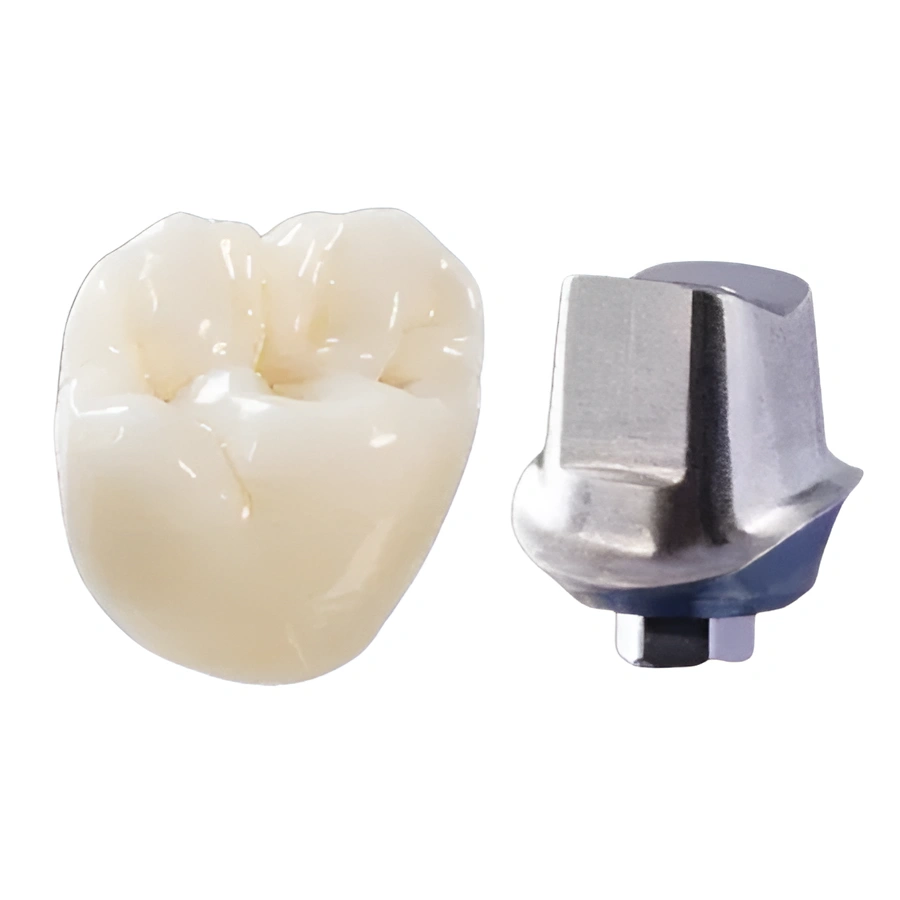
Dental implants are permanent tooth replacement solutions. They consist of a titanium post surgically placed into the jawbone, which then supports a custom-fabricated crown, bridge, or full arch restoration. Because of this, implants function much like natural teeth.
Implants are widely regarded as the gold standard for tooth replacement. They preserve jawbone density over time. Moreover, they do not rely on adjacent teeth or soft tissue for support.
Types of Implant Restorations
There are several types of implant-supported restorations available today. First, single-tooth implants replace one missing tooth with a post and crown. Next, implant-supported bridges span multiple missing teeth without removable components. Finally, full-arch solutions like implant-supported dentures restore an entire upper or lower arch.
At Dentek Digital, we fabricate implant restorations with precision using digital CAD/CAM workflows. As a result, fit, function, and aesthetics are consistently excellent. Our lab also offers advanced digital implant planning services to support dentists at every stage of the process.
What Are Dentures?
Dentures are removable prosthetic devices designed to replace missing teeth and surrounding tissue. They have been a standard tooth replacement solution for generations. However, modern dentures look far more natural and fit far more precisely than older versions.
Traditional dentures rest on the gum line and are held in place by suction, adhesive, or clasps. They are typically more affordable upfront than implants. On the other hand, they require regular adjustments and may become loose over time as the jawbone changes shape.
Modern Digital Dentures
Digital denture fabrication has transformed what removable prosthetics can offer. Using CAD/CAM technology, dental labs like Dentek Digital design and mill dentures with exceptional accuracy. Therefore, the fit is more consistent and the outcome more predictable than traditional methods.
Digital dentures also allow for faster turnaround times and easier replacement if a denture is lost or damaged. Furthermore, the digital record of each case can be stored and reproduced with precision. This is a major advantage for dental practices that want to deliver a higher standard of care.
Implants vs Dentures: Key Differences
Comparing implants vs dentures involves several important factors. Each patient’s situation is unique. However, understanding the core differences makes the conversation between dentist and patient much more productive.
Stability and Comfort
Dental implants are fixed in the jaw. They do not shift, slip, or require removal at night. Because of this, most patients find implants far more comfortable for everyday activities like eating and speaking.
Dentures, especially full dentures, can move during use. Additionally, they may cause sore spots on the gums if the fit changes over time. Implant-supported dentures offer a middle-ground solution — they combine the support of implants with the accessibility of removable prosthetics.
Bone Health Over Time
One major advantage of implants is their effect on jawbone health. When a tooth root is lost, the surrounding bone begins to resorb, or shrink, over time. Implants mimic the stimulation of a natural root and help preserve bone density.
Traditional dentures do not provide this stimulation. Therefore, bone loss can continue beneath a denture over the years. This is a significant long-term health consideration that dentists should discuss with their patients early in the treatment planning process.
Maintenance and Care
Implants are cared for much like natural teeth — brushing, flossing, and regular dental visits. In contrast, dentures require removal for cleaning and must be soaked overnight. They also need periodic relining or replacement as the mouth changes shape.
Moreover, dentures that are not maintained properly can harbor bacteria and contribute to gum irritation. Implants, when properly placed and maintained, tend to have excellent long-term outcomes. However, both options require consistent oral hygiene habits.
Treatment Timeline
Implants typically involve a longer treatment timeline than dentures. The surgical process, healing period, and final restoration fabrication can span several months. Meanwhile, dentures can often be delivered in a shorter timeframe.
For patients who need a faster solution, dentures may be the more practical initial option. Additionally, implant-retained dentures can be an excellent long-term upgrade for existing denture wearers. Dentists should assess each patient’s health, bone density, and lifestyle when recommending a timeline.
How CAD/CAM Technology Improves Both Options
Digital dentistry has raised the bar for both implant restorations and dentures. CAD/CAM — which stands for computer-aided design and computer-aided manufacturing — allows dental labs to design and fabricate restorations with a level of precision that was simply not possible with traditional techniques.
At Dentek Digital, we were among the earliest adopters of the digital CAD/CAM workflow in the country. Our Phoenix, Arizona lab serves dentists across the Greater Phoenix area, including practices in Mesa, Tempe, Chandler, and Scottsdale. Furthermore, we work with dental professionals nationwide who demand the highest quality restorations for their patients.
Digital Implant Planning
One of our most advanced services is digital implant planning. This process uses 3D imaging data to map out implant placement before surgery even begins. As a result, dentists can execute procedures with greater accuracy and confidence.
Digital implant planning reduces guesswork during surgery. It also helps ensure the final restoration fits perfectly from day one. Therefore, the overall patient experience is smoother and outcomes are more predictable.
TattooTH and Advanced Restoration Services
Dentek Digital also offers TattooTH, an innovative service that allows custom artwork or markings to be incorporated into dental restorations. This is just one example of how digital fabrication opens creative and functional possibilities that traditional labs cannot match.
In addition, our fixed restoration offerings include crowns, bridges, veneers, and full-arch solutions. Our removable prosthetics include digital dentures and partial dentures. We also fabricate splints and nightguards using the same precise digital workflows.
Choosing the Right Option: What Dentists Should Consider
The decision between implants and dentures should always be patient-centered. However, there are clinical factors that help guide the recommendation. Dentists should evaluate bone volume, overall health, patient lifestyle, and long-term goals before presenting options.
Patients in the Gardnerville, NV area working with dentists who partner with a high-quality digital lab have a distinct advantage. Access to precise, well-fabricated restorations makes a real difference in outcomes. Moreover, a reliable lab partner streamlines the process for both the dentist and the patient.
Questions to Discuss with Your Dentist
- Is there enough bone density to support implants? If not, bone grafting may be required first.
- What is the patient’s overall health status? Certain conditions may affect implant candidacy.
- What is the patient’s timeline and budget? Dentures may offer a faster or more accessible starting point.
- Is the patient open to a staged treatment plan? Starting with dentures and transitioning to implants is a valid option.
- What are the patient’s functional and aesthetic goals? Both options can achieve excellent results when fabricated with precision.
Frequently Asked Questions: Implants vs Dentures
Are dental implants better than dentures?
Implants offer advantages in stability, bone preservation, and long-term comfort. However, they are not the right choice for every patient. Dentures remain an excellent option for many people, especially when fabricated with modern digital technology. The best choice depends on the individual patient’s clinical situation and personal goals.
Can dentures be converted to implants later?
Yes, in many cases patients can transition from traditional dentures to implant-supported restorations over time. This is a common staged treatment approach. However, bone density must be evaluated before implant placement, as bone loss under a denture can affect eligibility.
How long do dental implants last?
Implants are designed to be long-lasting, potentially serving patients for many decades with proper care. The implant post itself is typically very durable. However, the crown or restoration on top may need replacement over time, depending on wear and care habits.
How does a dental lab support implant and denture cases?
A skilled dental lab fabricates the restorations that complete the treatment — whether that is an implant crown, a full-arch prosthetic, or a precision-fit denture. At Dentek Digital, we use digital CAD/CAM workflows to ensure every restoration meets the highest standards of fit and function. We work closely with dentists to support seamless case delivery.
What makes digital dentures different from traditional dentures?
Digital dentures are designed and milled using CAD/CAM technology rather than traditional casting methods. As a result, they offer more consistent fit and accuracy. Additionally, digital records allow for faster reproduction if a denture is lost or needs replacement.
Partner with a Digital Lab That Delivers
Whether your patients need implant restorations or precision-fit dentures, the quality of the dental lab behind the case matters enormously. At Dentek Digital, we combine advanced digital technology with skilled craftsmanship to deliver restorations that perform — case after case.
We proudly support dental practices across Greater Phoenix, including communities in Mesa, Tempe, Chandler, Scottsdale, and Gilbert. Furthermore, we work with dentists across the country who expect the highest standard from their lab partner.
If you are ready to elevate the restorations you deliver to your patients, we are here to help. Contact Dentek Digital today to send us a case or to discuss how our digital dentistry solutions can support your practice. Together, we can give your patients the outcomes they deserve.