
Understanding your dental implant options is one of the most important steps in restoring a patient’s smile. Implants have transformed modern restorative dentistry. They offer stability, function, and a natural appearance that other solutions simply cannot match.
For dental practices seeking reliable, high-quality implant restorations, the lab partner you choose makes all the difference. At Dentek Digital, we fabricate precision implant restorations using advanced CAD/CAM technology. We support dentists and dental practices across the Greater Phoenix area, including Mesa, Tempe, Chandler, and Scottsdale.
In this guide, we walk through the most common dental implant options available today. We also explain how digital dentistry is raising the bar for implant outcomes everywhere.
What Are Dental Implants?
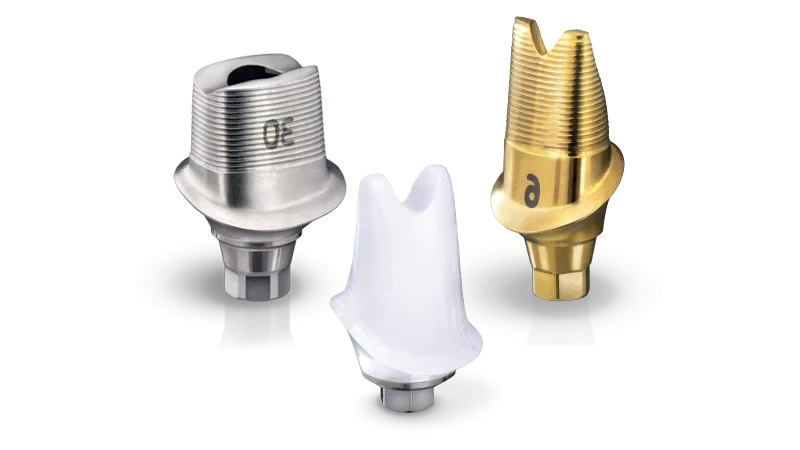
Dental implants are titanium posts that a surgeon places into the jawbone. They act as artificial tooth roots. Over time, the bone fuses around the post in a process called osseointegration.
Once the implant integrates, a dental restoration is attached on top. This restoration is often a crown, bridge, or full-arch prosthetic. Therefore, the quality of that restoration matters enormously.
At Dentek Digital, we specialize in fabricating the restorations that go on top of implants. Our CAD/CAM workflow ensures precise fit and excellent aesthetics every time.
Why Implants Are a Top Choice
Implants are considered the gold standard for tooth replacement. They preserve jawbone density and support facial structure. Additionally, they feel and function like natural teeth.
Unlike dentures, implants do not slip or require adhesives. Unlike bridges, they do not rely on adjacent teeth for support. Because of this, they are often the most conservative and durable long-term solution.
The Most Common Dental Implant Options
Not every patient needs the same solution. There are several implant-based restorative options available. Each one serves a different clinical need.
Single-Tooth Implants
A single-tooth implant replaces one missing tooth. It consists of an implant post, an abutment, and a custom crown. This is the most straightforward implant restoration available.
The crown is fabricated to match the surrounding teeth precisely. At Dentek Digital, we design single-unit implant crowns using CAD/CAM software. As a result, the fit and shade are highly accurate.
Single-tooth implants are ideal for patients with one or a few isolated missing teeth. They are also a great option when adjacent teeth are healthy and intact. Furthermore, they require no alteration of neighboring teeth.
Implant-Supported Bridges
An implant-supported bridge replaces multiple consecutive missing teeth. Instead of relying on natural teeth as anchors, it uses implants. This makes it a stronger and more stable option than a traditional bridge.
The bridge is fabricated as a single connected unit. It spans the gap left by the missing teeth. Moreover, it distributes bite forces evenly across the implants.
Practices in the Phoenix area often request implant-supported bridges for patients who are not candidates for full-arch solutions. They offer a middle ground between single implants and full-arch restorations.
All-on-4 and Full-Arch Implant Restorations
Full-arch restorations replace an entire arch of teeth using just a few strategically placed implants. The All-on-4 concept is one of the most well-known approaches. It uses four implants to support a full fixed arch prosthetic.
This option is ideal for patients with extensive tooth loss or failing dentition. It provides a fixed, non-removable solution. Additionally, it can often be delivered in fewer appointments than traditional implant protocols.
At Dentek Digital, we fabricate full-arch implant prosthetics with exceptional precision. Our digital workflow allows us to plan and design these complex cases with accuracy. Therefore, the final restoration fits well and looks natural.
Implant-Retained Dentures
Implant-retained dentures combine the affordability of a denture with the stability of implants. The denture attaches to implants using locator attachments or a bar. It can be removed for cleaning but stays firmly in place during use.
This option works well for patients who want improved stability but cannot afford or tolerate a fully fixed solution. It also helps preserve jawbone density over time. Furthermore, it significantly improves chewing function and confidence.
Many dental practices across Gilbert, Scottsdale, and Chandler serve patients who are great candidates for this solution. Dentek Digital fabricates the prosthetic components to the highest standards. We ensure a secure, comfortable fit every time.
How CAD/CAM Technology Improves Implant Outcomes
Digital dentistry has changed how implant restorations are designed and fabricated. CAD/CAM technology — computer-aided design and computer-aided manufacturing — allows for precise digital workflows from start to finish.
First, the dentist takes a digital scan of the patient’s mouth. Next, that scan is sent to our lab digitally. Then, we use specialized software to design the restoration with exact specifications.
Finally, we mill the restoration from high-quality materials. This includes options like zirconia, lithium disilicate, and PMMA. The result is a restoration that fits accurately and requires minimal chairside adjustment.
Benefits of the Digital Workflow for Implants
- Precision fit: Digital design reduces human error in the fabrication process.
- Faster turnaround: Digital files transfer instantly, speeding up case timelines.
- Better communication: Labs and dentists can share digital files and notes easily.
- Material options: CAD/CAM allows access to a wider range of restorative materials.
- Consistent quality: Each restoration meets the same high standard, case after case.
Dentek Digital was one of the earliest digital dental labs in the country to adopt CAD/CAM workflows. We bring that experience to every implant case we handle. As a result, our partner dentists can deliver outstanding outcomes for their patients.
Digital Implant Planning: A Closer Look
One advanced service we offer is digital implant planning. This process uses three-dimensional imaging and digital design to plan implant placement before surgery begins. It is a powerful tool for complex cases.
Digital implant planning allows the surgical team to visualize the ideal implant position in advance. Moreover, it helps the lab design the final restoration before the surgery takes place. This approach is sometimes called a restorative-driven implant placement workflow.
The result is better alignment between the implant position and the final restoration. Because of this, the prosthetic outcome is more predictable. Dentists in the Mesa and Tempe areas trust Dentek Digital for these advanced planning services.
When Is Digital Implant Planning Recommended?
Digital implant planning is especially valuable for full-arch cases. It is also helpful when bone anatomy is complex or when aesthetics are a top priority. Additionally, it supports better communication between the surgeon and the restorative dentist.
However, even single-tooth implant cases can benefit from digital planning. It helps ensure that the implant is placed in the best position for the crown. Therefore, the final restoration looks and functions at its best.
Choosing the Right Restoration Material
The material used for an implant restoration affects both aesthetics and durability. There are several excellent options available through a digital lab workflow.
- Zirconia: Extremely strong and tooth-colored. Ideal for posterior implants and full-arch cases.
- Lithium disilicate (e.max): Highly aesthetic and durable. Often used for anterior single-unit crowns.
- PFM (porcelain-fused-to-metal): A traditional option still used in some cases for its strength.
- PMMA: A resin material often used for implant temporaries or full-arch provisionals.
- Titanium: Used for custom abutments and some full-arch frameworks.
Our team at Dentek Digital helps dentists choose the right material for each case. We consider aesthetics, function, bite forces, and patient expectations. In addition, we stay current with the latest material advancements in digital dentistry.
Frequently Asked Questions About Dental Implant Options
What is the most durable dental implant restoration material?
Zirconia is widely regarded as one of the most durable options. It resists fracture and wear very well. Moreover, it offers a natural tooth-like appearance, making it suitable for both front and back teeth.
How long does it take to receive an implant restoration from a digital lab?
Turnaround times vary depending on the case type and complexity. However, digital workflows significantly reduce the time compared to traditional lab processes. Many standard cases can be completed in just a few days once the digital file is received.
Can a dental practice use digital scans instead of physical impressions?
Yes. Dentek Digital accepts intraoral scan files from all major scanning systems. Digital impressions are highly accurate and eliminate many of the issues associated with traditional impressions. Additionally, they speed up the entire case workflow.
What types of implant systems does Dentek Digital work with?
We work with a wide range of implant systems and scan body types. Our team is experienced with most major implant platforms. Therefore, dentists can continue using their preferred implant system without any disruption to their workflow.
Is digital implant planning available for single-tooth cases?
Yes. While digital implant planning is most commonly used for full-arch cases, it is also available for single-tooth and partial implant cases. It helps ensure optimal implant positioning for the best possible restorative outcome.
Partner with Dentek Digital for Implant Restorations
Dental implant restorations require precision, skill, and the right technology. At Dentek Digital, we bring all three together. Our CAD/CAM digital workflow produces restorations that fit accurately, look natural, and last.
We proudly serve dentists and dental practices throughout the Greater Phoenix area, including Scottsdale, Chandler, Mesa, and Tempe. Whether you need a single-unit implant crown or a full-arch prosthetic, we are ready to support your practice.
Our team is here to make the process simple and reliable for your office. We offer fast turnaround, responsive communication, and consistent quality on every case. Furthermore, we provide advanced services like digital implant planning to support even the most complex restorative needs.
Ready to elevate your implant restorations? Contact Dentek Digital today to send us a case or request a consultation with our team. We look forward to partnering with your practice.