
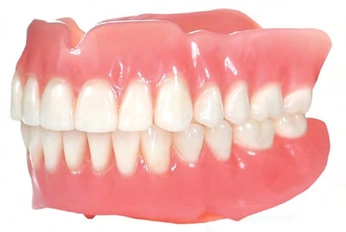
When it comes to replacing missing teeth, patients today have more dental implant options than ever before. However, not all implant solutions are created equal. The materials, technology, and lab craftsmanship behind each restoration make a significant difference in long-term outcomes.
For dentists across the Greater Phoenix area — from Scottsdale to Chandler — partnering with the right dental lab is essential. Therefore, understanding the full range of implant options available through a digital workflow can help practices deliver better results for their patients.
At Dentek Digital, we fabricate high-quality implant restorations using advanced CAD/CAM technology. Additionally, our team brings deep expertise in digital dentistry to every case we touch. In this post, we break down the most important implant options dentists should know today.
Why Dental Implant Options Have Expanded in the Digital Age
Digital dentistry has transformed what is possible in implant care. Because of this, dentists now have access to a wider variety of restoration types, materials, and planning tools than ever before.
CAD/CAM technology — computer-aided design and manufacturing — allows labs to mill or print restorations with exceptional precision. As a result, fit, aesthetics, and function have all improved dramatically over traditional lab methods.
Furthermore, digital workflows reduce turnaround times. Dentists in Mesa, Tempe, Gilbert, and across the Phoenix metro can receive accurate, well-fitting restorations faster. This benefits both the practice and the patient.
The Role of the Dental Lab in Implant Success
Many factors influence implant outcomes. However, the dental lab plays a central — and often underappreciated — role in that success.
A skilled lab translates your clinical work into a restoration that fits precisely, looks natural, and functions reliably. Therefore, choosing a lab with deep implant expertise is one of the most important decisions a practice can make.
At Dentek Digital, we specialize in implant restorations across a range of cases. Moreover, we work closely with dentists to ensure every crown, bridge, or full-arch solution meets the highest standards.
Common Dental Implant Options Available Today
There are several types of implant restorations available. Each serves a different clinical need. Below, we outline the most widely used options dentists should understand.
Single-Unit Implant Crowns
The single-unit implant crown is the most common implant restoration. It replaces one missing tooth with a crown secured to a titanium implant fixture in the jawbone.
Additionally, modern CAD/CAM-milled crowns offer excellent fit and aesthetics. Materials like zirconia are popular because they are strong, biocompatible, and lifelike in appearance.
For dentists in Scottsdale or Chandler, submitting a digital scan to a lab like Dentek Digital makes the process seamless. As a result, single-unit cases can be turned around with speed and accuracy.
Implant-Supported Bridges
When a patient is missing several adjacent teeth, an implant-supported bridge is often the ideal solution. Two or more implants anchor a multi-unit bridge in place.
Furthermore, implant-supported bridges eliminate the need for removable partial dentures in many cases. Patients tend to appreciate the stability and comfort this option provides.
On the other hand, proper planning is critical for bridge cases. Therefore, working with a lab experienced in multi-unit implant restorations is especially important.
Full-Arch Implant Solutions
Full-arch restorations — such as All-on-4 or All-on-X designs — replace an entire arch of teeth using just a few strategically placed implants. These solutions have become increasingly popular with edentulous patients.
Meanwhile, advances in digital planning and milling have made full-arch cases more predictable than ever. Labs can now fabricate monolithic zirconia full-arch bridges with exceptional strength and fit.
In addition, these restorations offer patients a life-changing functional and aesthetic improvement. For practices in the Greater Phoenix area, offering full-arch implant solutions can set a practice apart from competitors.
Implant-Retained Overdentures
Not every patient is a candidate for a fixed full-arch solution. In those cases, implant-retained overdentures offer a strong alternative.
These removable prostheses snap onto two or more implants. Because of this, they provide far more stability than traditional dentures. Patients experience less slippage, improved chewing function, and greater confidence.
Moreover, overdentures are often more affordable than fixed full-arch options. Therefore, they expand access to implant-supported solutions for a broader range of patients.
Materials Matter: Choosing the Right Restoration Material
Material selection plays a major role in implant restoration outcomes. Today, dentists and labs have several strong options to choose from.
Zirconia Restorations
Zirconia has become the dominant material in implant crown and bridge fabrication. It is exceptionally strong, tooth-colored, and biocompatible.
Furthermore, zirconia restorations resist fracture and wear very well over time. As a result, they are especially popular for posterior implant cases where bite forces are high.
At Dentek Digital, we mill zirconia restorations with precise CAD/CAM workflows. Additionally, we offer high-translucency zirconia options for anterior cases where aesthetics are a top priority.
PFM and Hybrid Options
Porcelain-fused-to-metal (PFM) restorations have been used in implant dentistry for many years. However, they have largely been replaced by zirconia in most cases due to aesthetic and structural advantages.
On the other hand, hybrid materials such as layered zirconia or ceramic-over-zirconia frameworks remain useful in certain aesthetic situations. Therefore, dentists should discuss material choices with their lab team on a case-by-case basis.
Titanium Frameworks
For full-arch cases, titanium frameworks milled via CAD/CAM offer outstanding strength and biocompatibility. These are often used as the substructure beneath acrylic or ceramic veneering materials.
In addition, titanium’s light weight and long-term stability make it well-suited for complex implant prosthetics. At Dentek Digital, we work with titanium frameworks for full-arch cases requiring maximum durability.
Digital Implant Planning: A Game-Changer for Predictability
One of the most important advances in implant dentistry is digital implant planning. This process uses cone beam CT (CBCT) scans and specialized software to plan implant placement with precision before surgery begins.
Because of this, surgical guides can be fabricated to direct implant placement exactly as planned. As a result, the restorative outcome is more predictable from the very start.
At Dentek Digital, we offer digital implant planning services to support dentists throughout the Phoenix metro — including practices in Mesa, Gilbert, and Tempe. Furthermore, this service helps reduce complications and improves communication between the surgical and restorative teams.
How Digital Planning Improves Restorative Outcomes
When implants are placed in the right position, restorations fit better and function more naturally. Moreover, digital planning helps ensure adequate bone support and proper angulation for each implant.
First, a CBCT scan captures detailed 3D images of the patient’s jaw. Next, the lab or planning team maps the ideal implant positions. Then, a surgical guide is fabricated for use during placement. Finally, the restorative team can design the crown or prosthesis with confidence.
This coordinated workflow leads to better outcomes and fewer remakes. Therefore, many practices in the Greater Phoenix area are adopting digital planning as a standard part of their implant protocol.
How Dentek Digital Supports Implant Cases
Dentek Digital is one of the most experienced digital dental labs in Arizona. We have been at the forefront of CAD/CAM technology since the early days of digital dentistry.
Additionally, our implant restoration services cover single units, bridges, full-arch solutions, and overdentures. We work with dentists across Phoenix, Scottsdale, Chandler, and beyond to deliver precise, beautiful results.
Our team also offers TattooTH, an advanced surface characterization process that adds depth and natural color variation to restorations. Because of this, our implant crowns and bridges achieve a lifelike appearance that blends seamlessly with natural teeth.
We invite dental practices ready to elevate their implant workflow to contact Dentek Digital and discuss your next case with our team.
Frequently Asked Questions About Dental Implant Options
What is the most durable material for implant crowns?
Zirconia is currently the most widely recommended material for implant crowns. It offers excellent strength, biocompatibility, and aesthetics. Moreover, high-strength zirconia performs especially well in high-load posterior areas.
How does CAD/CAM technology improve implant restorations?
CAD/CAM technology allows labs to design and mill restorations with exceptional precision. As a result, fit accuracy improves, remakes decrease, and turnaround times are faster compared to traditional methods.
What is digital implant planning, and do I need it?
Digital implant planning uses 3D imaging and software to map ideal implant placement before surgery. Therefore, it improves predictability and helps ensure restorations are designed around the best possible implant position. Many practices find it invaluable for complex or full-arch cases.
Can Dentek Digital handle full-arch implant cases?
Yes. We regularly fabricate full-arch implant restorations, including monolithic zirconia bridges and implant-supported hybrid prostheses. Furthermore, we offer digital planning support to help coordinate the surgical and restorative phases.
How do I get started with Dentek Digital for implant cases?
Getting started is simple. You can send us a case through our online submission portal, or contact our team to discuss your specific needs. We serve dental practices throughout the Greater Phoenix area and beyond.
Partner With a Digital Lab That Understands Implants
The landscape of implant dentistry continues to evolve rapidly. However, one thing remains constant: the quality of the restoration matters enormously. Therefore, partnering with a skilled, technology-driven dental lab is one of the best investments a practice can make.
At Dentek Digital, we combine advanced CAD/CAM workflows with experienced craftsmanship. In addition, we offer digital implant planning, TattooTH surface finishing, and a full range of implant restoration types to meet every clinical need.
Whether your practice is in Phoenix, Scottsdale, Tempe, or Chandler, we are ready to support your implant cases with precision and care. Explore your options and reach out to our team today — we look forward to helping you deliver outstanding results for your patients.