
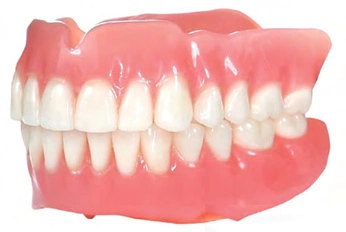
Patients considering full mouth dental implants are making one of the most significant decisions of their dental health journey. This treatment can restore function, confidence, and quality of life. However, the quality of the final restoration depends greatly on the dental lab behind it.
At Dentek Digital, we support dentists and dental practices across the Greater Phoenix, Arizona area with precision-crafted implant restorations. We use advanced CAD/CAM technology to deliver reliable, high-quality results. Therefore, the dentists we partner with can offer their patients outstanding outcomes.
In this post, we explore how full mouth dental implants work, what makes digital fabrication so important, and how a skilled dental lab supports the entire process. Whether you are a dentist in Scottsdale, Mesa, Tempe, or Chandler, this guide is designed for you.
What Are Full Mouth Dental Implants?
Full mouth dental implants replace an entire arch — or both arches — of missing or failing teeth. Unlike traditional dentures, implants are anchored directly into the jawbone. As a result, they feel and function much more like natural teeth.
There are several approaches to full mouth implant treatment. The most common options include implant-supported dentures, fixed implant bridges, and the All-on-4 or All-on-X concept. Each approach has unique restorative needs. Therefore, the dental lab plays a critical role in fabricating the right solution.
Implant-Supported Dentures
Implant-supported dentures snap onto implant posts. They offer improved stability over traditional removable dentures. Additionally, they can often be removed by the patient for cleaning.
Fixed Implant Bridges
Fixed implant bridges are permanently attached to the implants. Patients cannot remove them at home. Because of this, they closely mimic the feel of natural teeth and are a popular choice for full arch restoration.
All-on-4 and All-on-X Concepts
The All-on-4 concept uses four strategically placed implants to support a full arch prosthesis. All-on-X refers to similar techniques using a varying number of implants. Furthermore, these approaches often allow for immediate loading, meaning patients may receive a temporary restoration the same day as surgery.
Why CAD/CAM Technology Matters for Implant Restorations
CAD/CAM stands for Computer-Aided Design and Computer-Aided Manufacturing. This technology allows dental labs to design and mill restorations with exceptional precision. As a result, fit, function, and aesthetics are all significantly improved.
At Dentek Digital, we were among the earliest adopters of the digital CAD/CAM workflow in the country. We combine this technology with skilled craftsmanship. Therefore, dentists across Phoenix and surrounding communities receive restorations they can trust.
Digital Workflow: From Scan to Restoration
The digital workflow begins with an intraoral scan or digital impression sent from the dental practice. Next, our lab team designs the restoration using advanced CAD software. Then, the restoration is milled from high-quality materials with precision equipment.
This process reduces human error significantly. Moreover, it allows for consistent, repeatable results across every case. Dentists in Gilbert and Chandler who partner with us benefit from this streamlined process every time they send a case.
Materials Used in Digital Implant Restorations
The choice of material affects both function and appearance. Common materials for full mouth implant restorations include zirconia, PMMA (a type of acrylic), and hybrid composites. Each material has specific advantages.
For example, zirconia is known for its strength and natural appearance. PMMA is often used for immediate provisionals. Additionally, hybrid composites offer a balance of durability and aesthetics. Our team at Dentek Digital can help dentists choose the right material for each patient’s needs.
The Role of the Dental Lab in Full Mouth Implant Cases
Many patients focus on the surgical side of implant treatment. However, the restorative phase is equally important. The dental lab is responsible for fabricating the crown, bridge, or prosthesis that the patient will see and use every day.
A high-quality dental lab ensures accurate fit, proper occlusion, and natural aesthetics. Poor lab work can compromise even the most skilled surgical placement. Therefore, choosing the right lab partner is essential for dentists who offer full mouth implant solutions.
Implant Planning Support
At Dentek Digital, we also offer advanced digital implant planning services. This service helps dentists visualize the final restoration before surgery even begins. As a result, treatment is more predictable and communication with patients becomes easier.
Digital implant planning is especially valuable for complex full mouth cases. Furthermore, it supports better collaboration between the surgeon, restorative dentist, and lab. Practices across the Greater Phoenix area, including Tempe and Mesa, use this service to improve patient outcomes.
Temporary and Final Restorations
Full mouth implant cases often require both a temporary and a final restoration. The temporary restoration holds space and function while the implants heal. Then, the final restoration is fabricated once osseointegration — the process of the implant fusing with the bone — is complete.
Our lab fabricates both stages with equal care and precision. Additionally, we work closely with dental teams to ensure a smooth transition between the two phases. This coordination is key to a successful final outcome.
What Dentists Should Look for in a Digital Dental Lab
Not all dental labs are the same. When selecting a lab for full mouth implant cases, dentists should consider several important factors. These factors directly affect the quality of care their patients receive.
- Digital capabilities: Does the lab use full CAD/CAM workflow from design to fabrication?
- Implant system compatibility: Can the lab work with multiple implant systems and scan bodies?
- Turnaround time: Does the lab offer reliable, predictable delivery timelines?
- Communication: Is the lab team accessible and responsive to questions?
- Quality control: Does the lab have a consistent process for checking fit and aesthetics before delivery?
At Dentek Digital, we meet all of these standards. Moreover, we are recognized as a national leader in digital dentistry. Dental practices across Scottsdale, Mesa, Chandler, and the wider Phoenix region partner with us because of our consistent quality and collaborative approach.
Advanced Services That Support Implant Cases
Beyond standard implant restorations, Dentek Digital offers additional services that set us apart. These services are designed to support complex cases and improve clinical outcomes.
TattooTH
TattooTH is one of our advanced offerings. It allows for the application of unique identifiers on dental prosthetics. This service is especially useful for full arch restorations, adding an extra layer of patient identification and security.
Digital Implant Planning
As mentioned earlier, our digital implant planning service supports the entire treatment workflow. Additionally, it helps reduce surprises during the restorative phase. Because of this, dentists can approach complex full mouth cases with greater confidence.
Frequently Asked Questions About Full Mouth Dental Implants
How long does the full mouth implant process take?
The timeline varies based on each patient’s needs. However, the full process typically spans several months. This includes implant placement, healing time, and restoration fabrication. Digital workflows can help reduce delays in the lab phase.
What makes CAD/CAM restorations better than traditional methods?
CAD/CAM technology allows for greater precision than many traditional hand-fabricated methods. Additionally, digital records can be stored and referenced for future adjustments or replacements. As a result, both accuracy and long-term serviceability improve.
Can the dental lab work with my implant system?
Dentek Digital works with a wide range of implant systems and compatible components. Therefore, most dentists can partner with us regardless of the system they use. We recommend confirming compatibility before submitting your first case.
What materials are best for a full arch implant restoration?
The best material depends on the patient’s bite, aesthetic goals, and budget. For example, zirconia is often preferred for its strength and natural look. However, hybrid materials may be appropriate in certain clinical situations. Our lab team can help guide material selection.
How do I send a case to Dentek Digital?
Submitting a case is straightforward. Dentists can send digital scans or physical impressions directly to our lab. Additionally, we offer support throughout the process to ensure everything goes smoothly. Contact us to get started.
Partner with Dentek Digital for Your Implant Cases
Full mouth dental implants represent a major investment for patients. Therefore, they deserve restorations fabricated with precision, skill, and the best available technology. Dentek Digital delivers exactly that.
We support dental practices across the Greater Phoenix area — from Scottsdale to Gilbert, Mesa to Tempe — with CAD/CAM restorations that meet the highest standards. Moreover, our team is ready to collaborate on cases of all complexity levels.
If you are ready to elevate your implant restorations, we invite you to contact Dentek Digital and send us your next case. Our team is here to support your practice and your patients every step of the way.