
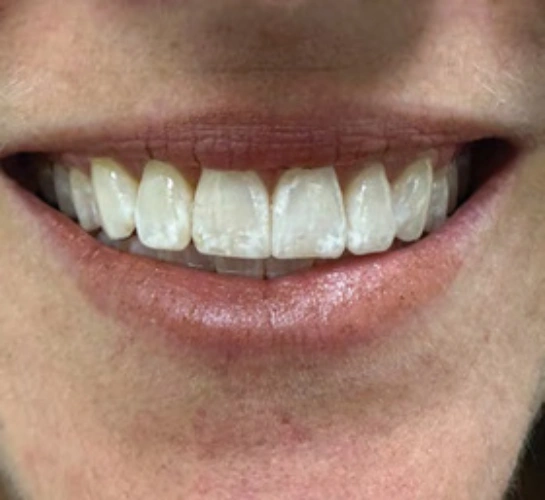
When it comes to replacing missing teeth, teeth implants remain one of the most trusted and effective solutions available today. Patients in Dublin, OH and across the country are choosing implants because they look, feel, and function like natural teeth. Understanding what goes into a high-quality implant restoration can help you make the best decision for your smile.
However, not all implant restorations are created equal. The quality of the dental lab fabricating the crown, abutment, or full-arch restoration plays a major role in the final outcome. Therefore, partnering with a skilled digital dental lab is a critical step in the implant process.
At Dentek Digital, we fabricate precise, high-quality implant restorations for dentists and dental practices. Additionally, we bring advanced CAD/CAM technology to every case we handle. In this guide, we cover everything you need to know about teeth implants — from how they work to what makes a restoration truly exceptional.
What Are Teeth Implants?
Teeth implants are titanium posts that a surgeon places directly into the jawbone. They act as artificial tooth roots. As a result, they provide a strong, stable foundation for a dental crown, bridge, or full-arch prosthetic.
The implant process typically involves several stages. First, the implant post is placed into the bone. Next, the bone heals and fuses with the post in a process called osseointegration. Then, a restoration — such as a crown — is attached to complete the tooth replacement.
Why Patients Choose Implants Over Other Options
Implants offer several advantages over dentures and bridges. For example, they do not rely on neighboring teeth for support. Moreover, they help preserve jawbone density over time, which is something traditional dentures cannot do.
Furthermore, implant restorations are designed to be permanent. With proper care, they can last for many years. On the other hand, traditional dentures and bridges may need more frequent replacement or adjustment.
The Role of a Digital Dental Lab in Implant Restorations
Most patients focus on the surgical side of teeth implants. However, the laboratory fabrication of the restoration is equally important. A well-made crown or prosthetic can make a significant difference in comfort, fit, and longevity.
At Dentek Digital, we use advanced CAD/CAM (computer-aided design and computer-aided manufacturing) technology to fabricate implant restorations. This digital workflow allows us to produce restorations with exceptional precision. Because of this, dentists across the Greater Phoenix, Arizona area rely on our lab for their most complex implant cases.
CAD/CAM Technology Explained
CAD/CAM stands for computer-aided design and computer-aided manufacturing. In simple terms, it means we use digital scans and software to design restorations on a computer. Then, a milling machine or 3D printer fabricates the restoration from high-quality materials.
This process eliminates much of the guesswork involved in traditional lab work. Additionally, it produces restorations that fit more accurately right from the start. As a result, dentists spend less time making adjustments chairside.
Why Precision Matters for Implant Crowns
An implant crown must fit the abutment perfectly. Even a small margin error can lead to discomfort or complications over time. Therefore, precision is non-negotiable when fabricating implant restorations.
Our digital workflow at Dentek Digital ensures every restoration meets strict quality standards. We serve dentists in Phoenix, Mesa, Tempe, Chandler, Gilbert, Scottsdale, and surrounding communities. In addition, we work with practices across the country as a nationally recognized digital dental lab.
Types of Implant Restorations We Fabricate
Teeth implants can support several types of restorations. The right option depends on how many teeth are missing and the patient’s overall oral health. Here is a look at the most common types we fabricate at Dentek Digital.
- Single Implant Crown: Replaces one missing tooth with a custom-milled crown attached to a single implant post.
- Implant-Supported Bridge: Uses two implants to support a bridge that replaces multiple adjacent missing teeth.
- Full-Arch Implant Prosthetics: Replaces an entire arch of teeth using a small number of strategically placed implants.
- Implant-Retained Dentures: Snaps onto implants for added stability compared to traditional removable dentures.
Each of these restorations requires careful design and fabrication. Furthermore, the materials used — such as zirconia or high-performance polymers — must be selected with the patient’s needs in mind. Our team at Dentek Digital brings expertise in all of these restoration types.
Digital Implant Planning: A Game-Changer for Dentists
One of the most advanced services we offer at Dentek Digital is digital implant planning. This service helps dentists plan the surgical placement of implants with far greater accuracy. As a result, both the surgical and restorative phases become more predictable.
Digital implant planning uses 3D imaging data to map out the ideal position for each implant. Meanwhile, our team collaborates with the treating dentist to ensure the plan supports the final restoration. This approach improves outcomes and reduces the risk of complications.
How Digital Planning Supports Better Patient Outcomes
When implants are placed in the optimal position, the final restoration fits better and functions more naturally. Therefore, digital planning is not just a technological upgrade — it is a meaningful improvement in patient care.
Dentists in Phoenix, Scottsdale, Chandler, and Mesa have seen firsthand how this technology transforms their implant workflows. Additionally, it helps practices offer a more modern, confident experience to their patients.
What to Look for in a Dental Lab for Implant Cases
Choosing the right dental lab partner is one of the most important decisions a dental practice can make. Here are a few key factors to consider when evaluating a lab for implant restorations.
- Digital Workflow Capability: The lab should use CAD/CAM technology for precision fabrication.
- Material Quality: Look for labs that use clinically proven, high-quality materials such as zirconia.
- Turnaround Time: A reliable lab delivers restorations on time without sacrificing quality.
- Communication: The lab should be easy to reach and willing to collaborate on complex cases.
- Experience with Implant Cases: Not every lab specializes in implant restorations. Choose one that does.
Dentek Digital meets all of these criteria. Moreover, we were one of the earliest adopters of the digital CAD/CAM workflow in the country. Because of this, our team brings a depth of experience that is difficult to match.
How Dentek Digital Supports Phoenix-Area Dentists
We are proud to be a trusted dental lab partner for dentists and dental practices across the Greater Phoenix, Arizona area. Our services include fixed restorations, removables, splints and nightguards, and dental implants. In addition, we offer advanced services like TattooTH and digital implant planning.
Furthermore, we combine rapidly evolving technology with skilled craftsmanship. This balance is what sets us apart. Every case that comes through our lab receives the same level of attention and precision — whether it is a single crown or a full-arch implant restoration.
Dentists in Tempe, Gilbert, Scottsdale, Mesa, and throughout the Phoenix metro area trust Dentek Digital because we deliver results they can count on. Additionally, our team is always available to discuss case details and collaborate on the best approach.
Frequently Asked Questions About Teeth Implants
How long do teeth implants typically last?
With proper care and good oral hygiene, implant restorations can last for many years. However, the longevity depends on factors like the patient’s health, bone density, and how well the restoration was fabricated. A precisely made crown or prosthetic from a quality lab can contribute significantly to long-term success.
What materials are used for implant crowns?
Zirconia is one of the most commonly used materials for implant crowns today. It is strong, biocompatible, and aesthetically pleasing. Additionally, other high-performance ceramic and polymer materials may be used depending on the clinical situation.
Can a dental lab help with implant planning?
Yes. Advanced digital dental labs like Dentek Digital offer implant planning services. We work directly with dentists to help map out the optimal implant position. As a result, the surgical and restorative phases work together seamlessly.
What is the difference between implant-retained dentures and traditional dentures?
Traditional dentures rest on the gums and may shift during eating or speaking. On the other hand, implant-retained dentures snap onto implants for a much more secure fit. Therefore, many patients find them more comfortable and functional.
How does a dental lab receive an implant case?
Most digital dental labs accept cases electronically through digital scans and case files. At Dentek Digital, we make the process simple for dentists. You can easily contact Dentek Digital to submit your case and get started right away.
Partner with Dentek Digital for Exceptional Implant Restorations
Whether you are a dentist in Dublin, OH or a practice right here in the Greater Phoenix area, the quality of your lab partner matters. Teeth implants are a long-term investment for your patients. Therefore, they deserve restorations that are fabricated with precision, skill, and the best available materials.
At Dentek Digital, we bring national-level digital dentistry expertise to every case. We are passionate about supporting better patient outcomes through advanced technology and skilled craftsmanship. Additionally, our team is ready to collaborate with you on any implant case — simple or complex.
Reach out today to explore how we can support your implant workflow. We look forward to becoming your trusted digital dental lab partner.