
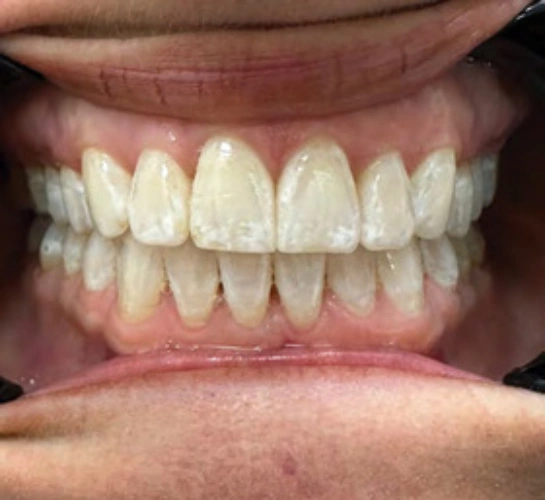
When a patient is missing one or more teeth, teeth implants are often the most reliable and long-lasting solution available. They restore function, improve appearance, and support long-term oral health. For dentists seeking exceptional implant restorations, the quality of the dental lab behind the crown matters enormously.
At Dentek Digital, we fabricate high-precision implant restorations using advanced CAD/CAM technology. Our lab supports dental practices across the Greater Phoenix area, including Mesa, Tempe, Chandler, and Scottsdale. We help dentists deliver outstanding patient outcomes with restorations built for accuracy and durability.
This guide walks through everything dental professionals and curious patients should know about teeth implants. We cover the process, the materials, and what separates a great restoration from an average one.
What Are Teeth Implants and How Do They Work?
Teeth implants are titanium posts placed surgically into the jawbone. They act as artificial tooth roots. Over time, the bone fuses with the implant through a process called osseointegration.
Once the implant is stable, a dental crown is attached on top. This crown is the visible part of the restoration. It must match the patient’s natural teeth in shape, color, and bite function.
The crown is typically fabricated by a dental lab. That is where the precision of modern digital dentistry becomes critical. A well-designed crown means a comfortable, natural-looking result for the patient.
The Role of the Dental Lab in Implant Restorations
Many patients focus on the surgical phase of implants. However, the restoration phase is equally important. A poorly crafted crown can cause bite issues, discomfort, and premature failure.
Digital dental labs use CAD/CAM software to design crowns with exceptional accuracy. Furthermore, milling machines carve restorations from high-quality material blocks. This process reduces human error and improves consistency.
At Dentek Digital, we combine digital workflows with skilled craftsmanship. As a result, dentists receive restorations that fit precisely and look natural. Our team has been a national leader in CAD/CAM dentistry since the earliest days of digital adoption.
Types of Implant Restorations We Fabricate
Not all implant cases are the same. Therefore, dental labs must offer a range of restoration options. Dentek Digital fabricates several types of implant-supported restorations to meet different clinical needs.
Single-Unit Implant Crowns
A single crown replaces one missing tooth. It attaches to the implant via an abutment. The crown is designed to match adjacent teeth in color and contour.
We mill single-unit crowns from materials such as zirconia and lithium disilicate. These materials offer strength, aesthetics, and biocompatibility. Additionally, they resist wear and staining over time.
Implant-Supported Bridges
When multiple adjacent teeth are missing, an implant-supported bridge is a strong solution. Two or more implants anchor the bridge in place. This eliminates the need for a removable partial denture in many cases.
Our digital design process ensures that bridges fit accurately across all anchor points. Moreover, the pontic teeth in the middle are shaped to look and function naturally. Dentists in Scottsdale and Chandler rely on our bridges for complex multi-unit cases.
Full-Arch Implant Restorations
Full-arch restorations, such as implant-supported dentures or All-on-X frameworks, replace an entire arch of teeth. These cases require the highest level of precision. Even a small error in fit can create significant problems for the patient.
Dentek Digital uses advanced CAD/CAM workflows for full-arch cases. We design and mill frameworks with tight tolerances. As a result, dentists can deliver full-arch restorations with confidence.
Materials Used in Modern Implant Crowns
Material selection plays a major role in the success of teeth implants. Different materials suit different clinical situations. Understanding the options helps dentists choose the best solution for each patient.
Zirconia
Zirconia is one of the most popular materials for implant crowns today. It is extremely strong and highly biocompatible. Additionally, modern zirconia offers excellent translucency for a natural appearance.
We use high-quality zirconia blocks from trusted manufacturers. Our milling machines produce tight margins and smooth surfaces. Therefore, zirconia crowns from our lab fit well and look great in any mouth.
Lithium Disilicate
Lithium disilicate, commonly known by the brand name e.max, offers outstanding aesthetics. It is ideal for anterior implant crowns where appearance is critical. However, it may not suit high-stress posterior locations in all cases.
Our technicians layer and stain lithium disilicate restorations by hand when needed. This extra step enhances characterization and lifelike depth. Dentists in Mesa and Tempe frequently request this material for front-tooth implant cases.
Hybrid and PFM Options
Porcelain-fused-to-metal (PFM) crowns have a long history in implant dentistry. Furthermore, hybrid materials offer unique combinations of strength and aesthetics. We fabricate both options based on the dentist’s prescription and clinical requirements.
The Digital Workflow Advantage at Dentek Digital
Digital dentistry has transformed how implant restorations are designed and made. Traditional analog methods rely heavily on manual impressions and physical models. In contrast, digital workflows use intraoral scans and CAD software for greater accuracy.
Dentek Digital was one of the earliest dental labs in the country to adopt a fully digital CAD/CAM workflow. We have refined our process over many years. As a result, we consistently deliver restorations with superior fit and quality.
Intraoral Scanning and Digital Impressions
Dentists can send us digital scans instead of traditional PVS impressions. This step saves time and reduces errors caused by distorted physical impressions. Moreover, digital files transfer instantly, which speeds up turnaround time.
We accept scan files from all major intraoral scanner brands. Our design team processes incoming cases quickly and efficiently. First, we review the case details. Then, we design the restoration using precision CAD software.
CAD Design and Milling
Our CAD technicians design each implant crown to match the patient’s occlusion and surrounding anatomy. We use digital articulation tools to verify the bite before milling. This step prevents many of the adjustment issues that arise chairside.
After design approval, our milling machines carve the restoration from a solid material block. We use multi-axis milling equipment for exceptional detail. Additionally, our finishing team inspects every restoration before shipment.
TattooTH and Advanced Implant Planning
Dentek Digital also offers TattooTH, a unique service that adds custom characterization to restorations. This advanced technique creates a more natural and individualized appearance. Patients appreciate the lifelike result it provides.
In addition, we offer digital implant planning services. This supports dentists with surgical guide design and placement planning. It is a powerful tool for complex or full-arch implant cases in practices across Gilbert and beyond.
Why Dentists Choose Dentek Digital for Implant Cases
Dental practices across the Greater Phoenix area trust Dentek Digital for good reasons. We offer consistent quality, fast turnaround, and a team that understands the demands of modern implant dentistry. Furthermore, our digital-first approach means fewer remakes and better first-time fit.
We work closely with dentists throughout the entire case. Communication is a priority at every step. Therefore, dentists always know where their case stands and what to expect.
Our solutions extend beyond implant crowns. We also fabricate fixed bridges, removable prosthetics, splints, and nightguards. As a result, dental practices can rely on Dentek Digital as a comprehensive lab partner.
Ready to elevate your implant cases? Contact Dentek Digital today and let our team help you deliver outstanding restorations for your patients.
Frequently Asked Questions About Teeth Implants
What is the difference between an implant and a crown?
The implant is the titanium post placed into the bone. The crown is the visible tooth-shaped cap placed on top. Both components must work together for a successful restoration.
How long does it take to receive an implant crown from your lab?
Turnaround times vary based on case complexity and material. However, our digital workflow allows us to process most cases efficiently. Contact our team for specific timeline information on your case type.
Do you accept digital scans for implant cases?
Yes, we accept digital scan files from all major intraoral scanner platforms. Digital files help us design your restoration faster and with greater precision. We also accept traditional impressions when needed.
What materials do you recommend for posterior implant crowns?
Zirconia is typically a strong choice for posterior implant crowns because of its durability and resistance to chewing forces. However, material selection depends on the specific clinical situation. We are happy to consult with your team on the best option.
Can you help with full-arch implant cases?
Absolutely. We fabricate full-arch frameworks and restorations using our advanced CAD/CAM workflow. Our team has experience with complex multi-unit and full-arch implant cases. Reach out to explore your options with us.
Partner with Dentek Digital for Exceptional Implant Restorations
Teeth implants represent one of the most impactful treatments in modern dentistry. However, the restoration phase requires a skilled, precise, and technologically advanced lab partner. That is exactly what Dentek Digital provides.
We serve dental practices across Phoenix, Mesa, Tempe, Chandler, Scottsdale, Gilbert, and the surrounding Greater Phoenix area. Our team is committed to helping dentists deliver the best possible outcomes for their implant patients.
Explore your options with a lab that leads the industry in digital dentistry. Send us a case and experience the Dentek Digital difference firsthand.