
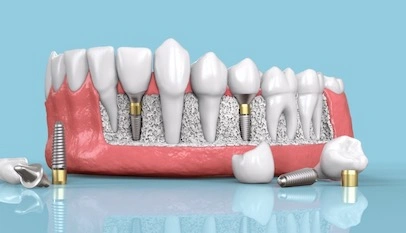
Full arch restorations are among the most complex and rewarding cases in modern dentistry. When done well, they transform a patient’s smile, function, and quality of life. However, full arch planning requires careful preparation, clear communication, and the right laboratory partnership.
Digital technology has changed how dental professionals approach these cases. Today, CAD/CAM workflows give dentists and labs more precision and predictability than ever before. As a result, outcomes are more consistent, and turnaround times have improved significantly.
At Dentek Digital, we work with dental practices across Phoenix, Scottsdale, Mesa, and Chandler to support complex full arch cases from start to finish. This guide covers the key steps for planning successful full arch restorations using a digital-first approach.
Why Full Arch Planning Matters
A full arch restoration replaces or restores all the teeth in one dental arch. This includes implant-supported bridges, full-arch fixed hybrids, and complete denture cases. Because so much of the patient’s function depends on the outcome, every planning decision carries real weight.
Poor planning leads to complications. These can include occlusal imbalances, poor esthetics, or restorations that simply do not fit well. Therefore, investing time in the planning phase protects both the patient and the practice.
Furthermore, a well-planned case is easier for the lab to fabricate accurately. When the lab receives clear records and detailed prescriptions, the result reflects the dentist’s vision more closely.
The Cost of Skipping Steps
Skipping planning steps often creates expensive problems later. Remakes, adjustments, and unhappy patients all take time and resources. On the other hand, a thorough digital workflow reduces these risks considerably.
Additionally, patients investing in full arch treatment expect excellent results. Meeting those expectations starts well before the patient sits in the chair for delivery.
Key Steps in a Successful Full Arch Workflow
Successful full arch cases follow a structured workflow. Each step builds on the one before it. Below, we outline the most important phases of the process.
Step 1: Comprehensive Patient Assessment
Start with a thorough clinical evaluation. Review the patient’s medical and dental history carefully. Also, assess bone volume, tissue health, and existing occlusion before moving forward.
For implant-supported cases, CBCT imaging is essential. It gives the clinical team a three-dimensional view of available bone. Moreover, it allows for precise implant placement planning before any surgery begins.
In Phoenix and surrounding communities like Gilbert and Tempe, more practices are using digital imaging as a standard part of their implant workflow. This shift has made full arch cases more predictable across the board.
Step 2: Digital Impressions and Records
Accurate records are the foundation of every great restoration. Digital intraoral scans eliminate many of the distortion issues associated with traditional impressions. Because of this, the lab receives a more accurate representation of the patient’s anatomy.
Send full arch scans along with a bite registration and facial photographs. Additionally, include any relevant esthetic goals or phonetic considerations in the case notes. The more context the lab has, the better the outcome.
At Dentek Digital, we accept scans from all major intraoral scanner platforms. Our team can guide you on file formats and submission requirements. Contact Dentek Digital to discuss how to submit your next full arch case.
Step 3: Occlusal Planning and Vertical Dimension
Establishing the correct vertical dimension of occlusion (VDO) is one of the most critical decisions in full arch planning. The VDO determines how the upper and lower teeth relate to each other at rest and during function.
Changes to the VDO affect esthetics, phonetics, and long-term comfort. Therefore, evaluate this carefully using mounted study models or digital articulation tools. Many practices now use digital wax-ups to visualize proposed changes before committing to final restorations.
A digital wax-up also serves as a communication tool. It helps the patient understand and approve the planned result. Furthermore, it gives the lab a clear target to work from during fabrication.
Material Selection for Full Arch Cases
Choosing the right material is a vital part of full arch planning. The best material depends on the case type, the patient’s habits, and the clinical situation. However, there are general principles that apply across most cases.
Zirconia-Based Restorations
Dental restoration materials have evolved rapidly over the past decade. Zirconia is now one of the most commonly used materials for full arch fixed cases. It offers excellent strength, biocompatibility, and a growing range of esthetic options.
Monolithic zirconia works well for posterior strength. Layered or high-translucency zirconia suits cases where esthetics are a higher priority. Additionally, zirconia is resistant to chipping, which makes it ideal for patients with heavy occlusal forces.
At Dentek Digital, we fabricate full arch zirconia restorations using advanced CAD/CAM milling technology. Our team selects the appropriate zirconia grade based on the case requirements and your prescription.
Hybrid and Acrylic Options
For full arch implant cases, hybrid restorations combining a titanium or zirconia framework with acrylic or composite teeth remain a popular choice. These restorations are retrievable and often more cost-accessible for patients.
Meanwhile, all-acrylic provisional restorations play an important role during the healing phase. They allow the dentist to evaluate function and esthetics before fabricating the final restoration. As a result, the final delivery is much smoother.
The Role of the Dental Lab in Full Arch Planning
A great laboratory partner is not just a fabricator. The lab is a clinical collaborator. At Dentek Digital, we engage with dentists throughout the full arch planning process, not just at the fabrication stage.
We review incoming records carefully before beginning fabrication. If something looks unclear, we reach out to confirm before proceeding. This proactive communication prevents costly remakes and delays.
Digital Design and Approval
Our CAD/CAM design process starts with a digital treatment plan based on the records you provide. We use advanced design software to build the restoration virtually before milling begins. Therefore, every restoration is engineered to the case specifications from the start.
When appropriate, we share digital previews with the submitting practice before finalizing the design. This design approval step adds an extra layer of confidence for both the dentist and the patient.
Quality Control and Fit Verification
Every full arch restoration from Dentek Digital goes through a rigorous quality control process. We check margins, contacts, occlusion, and esthetics before the case ships. Furthermore, we verify that the restoration matches the prescription exactly.
Practices in Scottsdale, Chandler, and across the Greater Phoenix area trust our quality process because it saves chair time at delivery. A well-checked restoration seats predictably and requires minimal adjustment.
Common Challenges and How to Avoid Them
Even experienced clinicians encounter challenges with full arch cases. Knowing what to watch for makes the process smoother. Below are some of the most common planning pitfalls and how to address them.
- Incomplete records: Always send full arch scans, bite registrations, photos, and detailed case notes. Missing information leads to delays.
- Unclear esthetic goals: Share photos of what the patient likes and dislikes. Additionally, note specific shade preferences and midline requests.
- Skipping provisionals: Provisionals allow you to test function and esthetics before finalizing. They are especially important in cases with significant VDO changes.
- Ignoring phonetics: Full arch restorations affect speech. Therefore, evaluate phonetics during the provisional phase and make adjustments early.
- Poor implant positioning: Implants placed without restorative guidance complicate the lab’s work. Use digital implant planning tools whenever possible.
At Dentek Digital, we also offer digital implant planning services to support practices before surgery. This service helps ensure implants are positioned for ideal restorative outcomes. Explore your options by reaching out to our team to learn more about how we support full arch implant cases.
Frequently Asked Questions About Full Arch Planning
What records does the lab need for a full arch case?
The lab typically needs full arch intraoral scans, a bite registration, facial photographs, and a detailed prescription. For implant cases, CBCT data and implant position information are also helpful. The more complete the records, the more accurately the lab can fabricate the restoration.
How long does a full arch restoration take to fabricate?
Turnaround time varies based on the complexity of the case and the material selected. Provisional restorations typically take less time than final zirconia or hybrid cases. Contact the lab early in the planning process to align on timelines.
Should I use provisionals before the final restoration?
In most full arch cases, yes. Provisionals allow you to evaluate occlusion, esthetics, and phonetics before committing to the final design. Furthermore, they give the patient time to adapt to changes in their bite and smile.
What materials are best for full arch implant cases?
The best material depends on the patient’s needs, budget, and clinical situation. Monolithic zirconia offers strength and longevity. Hybrid restorations offer retrievability. Additionally, high-translucency zirconia suits cases where esthetics are the priority. Discuss the options with your lab before finalizing your prescription.
How can Dentek Digital help with full arch planning?
Dentek Digital offers a full range of services to support full arch cases, including digital design, zirconia and hybrid fabrication, and digital implant planning. Our team partners with practices across Phoenix, Mesa, Tempe, Gilbert, Scottsdale, and Chandler to support complex restorative cases from start to finish.
Partner With Dentek Digital for Your Next Full Arch Case
Full arch restorations are high-stakes cases that deserve a high-quality lab partner. At Dentek Digital, we bring together advanced CAD/CAM technology and experienced craftsmanship to support the best possible outcomes for your patients.
We work with dental practices throughout Greater Phoenix, including Scottsdale, Mesa, Chandler, and beyond. Our team understands the complexity of full arch planning and is ready to collaborate with you at every stage.
Whether you are planning an implant-supported bridge, a full arch zirconia case, or a hybrid restoration, we are here to help. Send us a case today and experience the Dentek Digital difference for yourself.