Printed solutions are reshaping how dental labs serve dentists and their patients. Across the Greater Phoenix area, more practices are turning to 3D-printed dental restorations for speed, precision, and consistency. This shift is not slowing down — it is accelerating.
However, many dental professionals are still learning what this technology can do for their workflows. Understanding the growth of printed solutions helps you make smarter decisions for your practice and your patients. At Dentek Digital, we have watched this evolution unfold firsthand.
We were among the earliest adopters of the digital CAD/CAM workflow in the country. Therefore, we have a front-row view of how printed solutions have transformed dental lab services. This post breaks down exactly why this technology continues to grow — and what it means for dentists in Phoenix, Scottsdale, Mesa, Chandler, and beyond.
What Are Printed Solutions in Dentistry?
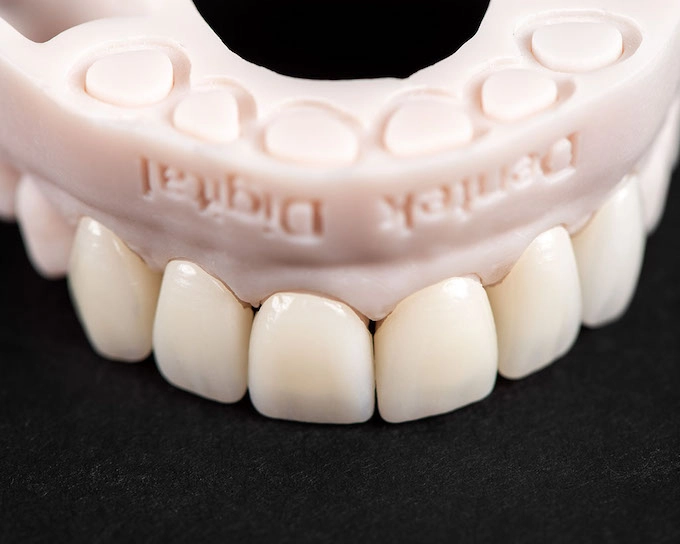
In the dental world, printed solutions refer to restorations and appliances fabricated using 3D printing technology. These are produced from digital files created through CAD/CAM dentistry workflows. The result is a highly accurate, digitally designed product built layer by layer.
Examples include surgical guides, splints, nightguards, denture bases, and models. Additionally, printed solutions are increasingly used for temporary crowns, implant components, and removable appliances. The range of applications keeps expanding as materials improve.
How 3D Printing Fits Into the CAD/CAM Workflow
The CAD/CAM process starts with a digital scan of the patient’s mouth. Next, a technician designs the restoration using specialized software. Finally, the digital file is sent to a 3D printer or milling machine to produce the finished product.
Printed solutions typically use the printing side of this workflow. Because of this, they are ideal for complex shapes and geometries that are difficult to mill. The result is a precise fit with minimal manual adjustment.
Key Reasons Printed Solutions Are Growing
Several forces are driving the steady rise of 3D printing in dental labs. Moreover, these forces are compounding — each one reinforces the others. Understanding them helps you see why this trend is not a passing phase.
1. Speed and Turnaround Time
One of the biggest advantages of printed solutions is speed. Digital files can be sent directly to the printer without the delays of traditional fabrication. As a result, turnaround times for many appliances have dropped significantly.
For dental practices in fast-growing communities like Gilbert and Tempe, faster lab turnaround means more efficient scheduling. Patients appreciate shorter wait times. Additionally, dentists benefit from fewer appointment gaps caused by delayed cases.
2. Consistency and Precision
Traditional dental fabrication relies heavily on manual skill. While craftsmanship remains important, human variables can affect consistency. On the other hand, 3D printing follows a digital blueprint every single time.
This consistency is especially valuable for splints, nightguards, and surgical guides. Furthermore, the precision of printed components supports better outcomes in implant cases. A well-fitting appliance reduces chairside adjustment time for the dentist.
3. Expanding Material Options
Early 3D printing materials were limited in strength and appearance. However, material science has advanced rapidly in recent years. Today, dental-grade resins and polymers offer durability, aesthetics, and biocompatibility.
Moreover, newer materials are being developed specifically for long-term use in the mouth. This opens the door for printed solutions to move into more permanent restoration categories. The material options available today would have seemed impossible just a few years ago.
4. Cost Efficiency Over Time
The initial investment in 3D printing equipment can be significant. However, the cost per unit often decreases as volume increases. For dental labs like Dentek Digital, this efficiency benefits the practices we serve.
Also, digital workflows reduce material waste compared to traditional subtractive methods. Because of this, labs can produce more cases with fewer raw materials. Over time, this creates real value for dental practices managing overhead costs.
The Role of Printed Solutions in a Full-Service Digital Lab
At Dentek Digital, printed solutions are one part of a broader digital ecosystem. We combine 3D printing with CAD/CAM milling, digital design, and advanced planning tools. This allows us to choose the best fabrication method for each specific case.
For example, a splint or nightguard may be an ideal candidate for printing. Meanwhile, a zirconia crown may be better suited for milling. Having both capabilities means we never compromise on the best result for the patient.
Printed Solutions for Splints and Nightguards
Splints and nightguards are among the most common applications for printed solutions. They require precise fit, smooth surfaces, and consistent thickness. 3D printing delivers all three with high repeatability.
For dentists in Chandler and Scottsdale, offering high-quality nightguards strengthens patient retention. Patients notice when an appliance fits well. Therefore, the quality of your lab partner directly affects the patient experience in your chair.
Printed Solutions for Removables and Implant Cases
Removable appliances like denture bases and try-in setups also benefit from 3D printing. Digital design allows for precise tooth positioning and accurate tissue coverage. As a result, the try-in process becomes more predictable and efficient.
In implant cases, printed surgical guides are a critical tool. Furthermore, Dentek Digital offers digital implant planning as an advanced service. This allows us to collaborate with dentists in Phoenix and surrounding areas on complex implant workflows from start to finish.
What This Means for Dental Practices in Greater Phoenix
The Greater Phoenix area is one of the fastest-growing dental markets in the country. Mesa, Tempe, Scottsdale, Chandler, and Gilbert are all seeing rapid population growth. More residents means more patients, and more patients means more demand for high-quality restorations.
Practices that embrace digital lab partnerships are better positioned to scale. Additionally, they benefit from faster turnaround, consistent quality, and a wider range of services. Printed solutions are a key part of that advantage.
How to Send Cases for Printed Solutions
Sending cases for printed appliances is straightforward in a fully digital workflow. You capture an intraoral scan and send the file directly to Dentek Digital. There is no need for physical impressions or shipping delays for many case types.
In addition, our team reviews every case carefully before fabrication begins. We communicate with your office if we have any questions. This collaborative approach helps ensure the finished product meets your expectations every time.
Ready to simplify your lab workflow? Contact Dentek Digital to get started with your first printed case or explore our full range of digital services.
Tips for Getting the Most From Printed Solutions
Working with a digital lab is a partnership. Therefore, a few best practices can help you get the best results from printed appliances. Here are some practical guidelines to keep in mind.
- Use high-quality intraoral scans. A clean, accurate scan is the foundation of a great printed result. Scan thoroughly and capture all relevant anatomy.
- Communicate clinical details clearly. Include bite registration data, occlusal targets, and any special notes with your case submission.
- Set clear expectations with patients. Help patients understand what a printed appliance is and how it is made. This builds confidence and reduces confusion at delivery.
- Review the fit carefully at delivery. Even highly precise printed appliances may need minor adjustments. Expect a minimal amount of chairside refinement as a standard step.
- Ask your lab about material options. Different resins and polymers have different properties. Your lab team can recommend the right material for each specific application.
Frequently Asked Questions About Printed Solutions
Are printed dental appliances as strong as traditionally made ones?
Modern dental-grade resins are highly durable and designed for clinical use. However, the right material depends on the application. Ask your lab team which material is best suited for your specific case type.
Can printed solutions be used for permanent restorations?
Some printed materials are approved for longer-term use, while others are designed for temporary or diagnostic applications. The field is advancing quickly. Therefore, the range of permanent applications continues to expand as new materials gain regulatory clearance.
How does 3D printing differ from CAD/CAM milling?
Milling removes material from a solid block to create a restoration. Printing builds the object layer by layer from a liquid or powdered material. Both are digital processes, but they suit different applications and materials.
Is my practice ready to work with a digital lab for printed cases?
If you have an intraoral scanner, you can likely start sending digital cases today. Additionally, many labs — including Dentek Digital — offer guidance to practices that are newer to the digital workflow. The transition is often smoother than expected.
What types of cases does Dentek Digital print?
We print splints, nightguards, removable appliance components, surgical guides, and models, among other items. Furthermore, we use printed solutions as part of our implant planning services. Contact our team to discuss whether a specific case type is a good fit for printing.
Partner With a Leader in Printed Solutions
Dentek Digital has been at the forefront of digital dentistry since the early days of CAD/CAM adoption. We bring that experience to every case we fabricate — including our growing range of printed solutions. Our team combines advanced technology with skilled craftsmanship to deliver results you can count on.
Whether you serve patients in Phoenix, Scottsdale, Mesa, Chandler, or Gilbert, we are here to support your practice. Our digital workflow is designed to save you time, reduce frustration, and deliver consistent quality. Because of this, more dental practices across Greater Phoenix trust Dentek Digital as their lab partner.
Explore your options and see how printed solutions can improve your lab workflow. Contact Dentek Digital today to send a case or speak with our team about your digital dentistry needs.