The world of removable prosthetics is changing fast. Digital denture printing is replacing many traditional lab processes, giving dentists a faster, more consistent path to high-quality results. For dental practices across the Greater Phoenix area, this shift is creating real opportunities to improve patient outcomes.
At Dentek Digital, we have embraced this technology from the beginning. We were one of the earliest digital dental labs in the country to adopt CAD/CAM workflows. Therefore, we understand how digital denture production works — and why it matters for the practices we serve.
In this post, we break down the process, the benefits, and what dentists in Phoenix, Mesa, Tempe, and Chandler should know about partnering with a digital lab for denture cases.
What Is Digital Denture Printing?
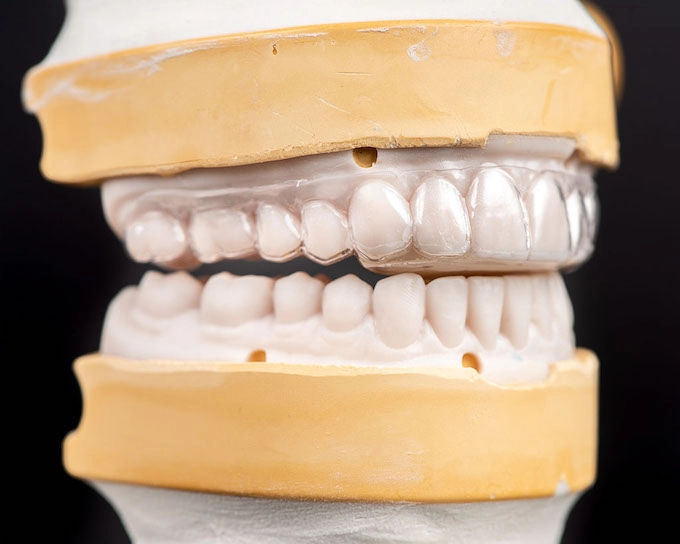
Digital denture printing is the process of designing and fabricating complete or partial dentures using digital tools. First, a dental scan or impression is converted into a digital file. Then, CAD software is used to design the denture with precision. Finally, a 3D printer or milling machine produces the finished prosthetic.
This process is part of a broader shift known as CAD/CAM dentistry, which uses computer-aided design and manufacturing to fabricate dental restorations. It has transformed how labs and dental offices collaborate. Additionally, it has raised the bar for accuracy and consistency across all types of restorations.
How the Digital Workflow Differs from Traditional Methods
Traditional denture fabrication relies heavily on manual steps. These include hand-poured impressions, wax try-ins, and multiple adjustment appointments. Each step introduces room for variability.
Digital workflows reduce those manual steps significantly. Because the design happens in software, adjustments are faster and more precise. As a result, the final product tends to fit more predictably from the start.
Moreover, digital files can be stored and reproduced. If a patient loses or damages their denture, a replacement can be fabricated from the same file. This is a meaningful advantage for both the patient and the practice.
The Technology Behind Digital Denture Production
Several technologies work together to make digital denture printing possible. Understanding them helps dental professionals make informed decisions about their lab partnerships.
Intraoral Scanners and Digital Impressions
The process starts with capturing accurate digital data. Intraoral scanners can capture detailed images of the patient’s oral anatomy. However, traditional impressions can also be scanned using a desktop scanner at the lab level.
Either way, the goal is a clean, accurate digital model. This model becomes the foundation for everything that follows. Therefore, quality at this stage has a direct impact on the final fit of the denture.
CAD Software and Denture Design
Once the digital model is ready, a skilled lab technician uses CAD software to design the denture. This includes tooth positioning, arch form, occlusal design, and base contouring. The software allows for precise control over every detail.
At Dentek Digital, our technicians bring years of experience to this stage. Technology enhances their work — but skilled craftsmanship is still at the center of every case we produce.
3D Printing and Milling for Denture Fabrication
After the design is finalized, the fabrication step begins. Depending on the case, a 3D printer or a milling machine produces the denture base and teeth. Both methods offer high accuracy.
3D printing is especially useful for producing denture bases quickly. Milling, on the other hand, works well for producing monolithic structures with excellent strength. In many cases, a combination of both technologies delivers the best result.
If your practice in Gilbert or Scottsdale is exploring digital dentures, contact Dentek Digital to discuss which fabrication approach fits your cases best.
Benefits of Digital Dentures for Dental Practices
Digital denture printing offers a range of advantages. These benefits are relevant for both the dental practice and the patient. Furthermore, they make a strong case for transitioning to a digital lab partner.
Improved Accuracy and Fit
One of the most consistent advantages of digital dentures is improved fit accuracy. Because the design is built on precise digital data, the margin for error is smaller than in traditional workflows. Additionally, the lab can make design adjustments digitally before anything is printed or milled.
For patients in the Phoenix metropolitan area, this often means fewer adjustment appointments. That saves chair time for the practice and improves the overall patient experience.
Faster Turnaround Times
Digital workflows eliminate several time-consuming manual steps. As a result, turnaround times are often shorter than traditional lab timelines. Practices in busy communities like Mesa or Tempe can benefit from faster case completion.
Meanwhile, the quality is not sacrificed for speed. Because digital processes are more consistent, a faster turnaround does not mean cutting corners. It simply means fewer delays at each production stage.
Reproducibility and Digital Records
Digital dentures can be reproduced from stored files. This is a major practical benefit. If a patient breaks or loses their prosthetic, the lab can fabricate a replacement without starting from scratch.
For dental practices, this also simplifies record-keeping. Digital case files are easy to store, share, and retrieve. Therefore, practices that invest in digital workflows are also building a more efficient long-term system.
Better Communication Between Lab and Practice
Digital workflows make it easier for labs and practices to collaborate. Files can be shared electronically, and design previews can be reviewed before fabrication begins. This reduces miscommunication and helps ensure the final product meets clinical expectations.
At Dentek Digital, we work closely with our referring dentists throughout the process. Our goal is to make every case as smooth as possible — from submission to delivery.
What to Look for in a Digital Dental Lab Partner
Not all dental labs offer the same level of digital capability. Choosing the right lab partner is an important decision for any practice. Here are a few key factors to consider.
- Experience with digital workflows: Look for a lab that has been using CAD/CAM technology for a significant period of time.
- Range of services: A full-service digital lab can handle fixed restorations, removables, implants, splints, and more — all under one roof.
- Communication and responsiveness: Your lab partner should be easy to reach and willing to discuss case details when needed.
- Quality control processes: Ask how the lab reviews and inspects cases before shipping.
- Turnaround reliability: Consistent timelines help your practice plan ahead and manage patient expectations.
Dentek Digital meets all of these standards. We serve practices throughout the Greater Phoenix area — including Chandler, Gilbert, Scottsdale, Mesa, and Tempe — with a full suite of digital lab services.
Digital Dentures and the Future of Removable Prosthetics
The adoption of digital denture printing is accelerating across the dental industry. More dental practices are requesting digital workflows, and more patients are benefiting from the results. This trend shows no sign of slowing down.
Furthermore, the technology continues to improve. Materials are becoming stronger and more lifelike. Software is becoming more intuitive. And the speed of production is increasing. All of these developments work in favor of both the dental practice and the patient.
For dental labs like Dentek Digital, staying at the forefront of these advances is part of our core commitment. We continuously invest in our technology and our team so that our referring dentists always have access to the best available solutions.
Frequently Asked Questions About Digital Denture Printing
What types of dentures can be made using digital printing?
Digital workflows support a wide range of removable prosthetics. These include complete dentures, partial dentures, and implant-supported overdentures. The specific design depends on the patient’s anatomy and clinical needs.
Do digital dentures require fewer appointments?
In many cases, yes. Because the design is refined digitally before fabrication, the need for multiple physical try-ins is often reduced. However, the exact number of appointments depends on the clinical situation and the dentist’s preference.
Can digital dentures be remade if damaged or lost?
Yes. One of the most practical advantages of digital dentures is that the case file is stored digitally. If a patient needs a replacement, the lab can reproduce the same design without starting from scratch. This saves time and reduces stress for both the patient and the practice.
How do I send a denture case to Dentek Digital?
Sending a case is straightforward. You can submit digital scans or physical impressions depending on your workflow. Our team guides referring practices through the submission process and is available to answer questions along the way.
Does Dentek Digital serve practices outside of Phoenix?
Yes. While we are based in Phoenix, Arizona, we serve dental practices across the Greater Phoenix metropolitan area and beyond. We work with practices in Mesa, Tempe, Chandler, Gilbert, Scottsdale, and surrounding communities.
Partner with Dentek Digital for Your Next Denture Case
Digital denture printing is not just a trend — it is the future of removable prosthetics. Practices that partner with a skilled digital lab are better positioned to deliver consistent, high-quality results for their patients.
At Dentek Digital, we combine advanced CAD/CAM technology with experienced craftsmanship. We are proud to be a trusted lab partner for dental practices throughout the Greater Phoenix area. Whether you are in Scottsdale, Chandler, Mesa, or right in Phoenix, we are ready to support your cases.
Explore your options and take the next step toward a better denture workflow. Reach out to our team today to discuss your cases or get started with your first submission.