
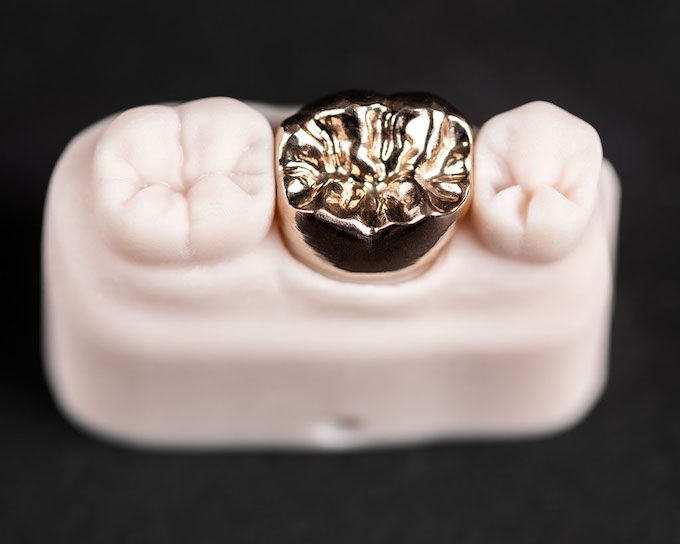
The right printing materials can make all the difference in modern dental restorations. As 3D printing continues to reshape dental labs, understanding what goes into each restoration helps dentists make smarter decisions for their patients. At Dentek Digital, we stay at the forefront of this technology every day.
Digital dentistry has evolved rapidly across Greater Phoenix. Practices in Scottsdale, Chandler, Mesa, and Gilbert are increasingly relying on digital workflows to deliver faster, more accurate care. Because of this, knowing how printing materials work is no longer just a lab concern — it’s a clinical one too.
This guide breaks down the most common dental printing materials in use today. We’ll cover their properties, applications, and how they fit into a high-quality CAD/CAM dentistry workflow. Whether you’re new to digital dentistry or looking to deepen your knowledge, this post is for you.
What Are Dental Printing Materials?
Dental printing materials are specialized resins, ceramics, and composites used in 3D printing equipment. Each material is engineered for a specific clinical purpose. Some are designed for temporary restorations, while others handle permanent crowns or surgical guides.
These materials go through a curing process during printing. Light, heat, or chemical reactions harden the material into its final form. The result is a precise, custom-fit restoration built to exact digital specifications.
Not all printing materials are created equal. Quality, biocompatibility, and durability vary widely between manufacturers and formulations. Therefore, working with a trusted digital lab like Dentek Digital ensures you’re always getting materials that meet the highest clinical standards.
How Printing Materials Differ from Milled Materials
Milling cuts restorations from solid blocks of material. Printing, on the other hand, builds them layer by layer from a liquid or powdered base. Each method has its strengths, and the best labs use both.
Milled restorations often excel in hardness and longevity for permanent restorations. Meanwhile, printed materials offer unmatched flexibility for surgical guides, models, and complex geometries. Understanding this distinction helps practices choose the right fabrication method for each case.
Common Types of Dental Printing Materials
Several categories of printing materials are now widely used in digital dental labs. Each serves a distinct role in the restoration workflow. Let’s walk through the most important ones.
Dental Model Resins
Model resins are among the most widely used printing materials in any digital lab. They produce highly accurate diagnostic and working models. These models help dentists and technicians plan restorations with precision before fabrication begins.
Additionally, printed models are faster to produce than traditional plaster casts. Labs across Phoenix and surrounding communities like Mesa and Tempe have largely shifted to printed models for this reason. They save time without sacrificing accuracy.
Model resins come in a variety of formulations. Some are rigid and dense, ideal for crown and bridge work. Others are more flexible, which suits removable appliance workflows.
Surgical Guide Resins
Surgical guide resins are engineered for precision and biocompatibility. These materials must be safe for intraoral use during implant placement procedures. Therefore, they meet strict regulatory and clinical standards.
A well-printed surgical guide improves implant accuracy significantly. It translates the digital treatment plan directly into the operating field. For implant-focused practices in Gilbert or Scottsdale, this translates to better patient outcomes and more confident surgery.
Dentek Digital produces surgical guides as part of our advanced implant planning services. We combine digital planning with high-quality guide resins to support predictable implant placement every time.
Temporary and Interim Restoration Resins
Temporary crown and bridge resins are another core category of printing materials. These materials allow labs to produce highly accurate interim restorations quickly. Patients benefit from well-fitting, aesthetic temporaries while their permanent restorations are being fabricated.
Modern temporary resins are stronger and more lifelike than older generation materials. Furthermore, they can be tinted to match natural tooth shades closely. This makes them a valuable tool for any cosmetically focused practice.
It’s worth noting that temporary resins are not designed for long-term use. They serve a transitional function and should be replaced with a permanent restoration in a timely manner. Always follow manufacturer guidelines for wear duration.
Biocompatible Resins for Splints and Nightguards
Splint and nightguard resins are a specialized printing material category. These materials must be durable enough to withstand nightly wear and occlusal forces. At the same time, they need to be comfortable and safe for long-term intraoral contact.
Printed splints offer a major advantage over traditionally fabricated ones. The digital workflow produces a more accurate fit in less time. Practices in Chandler and Mesa appreciate this efficiency when managing high volumes of occlusal appliance cases.
Dentek Digital fabricates splints and nightguards using carefully selected biocompatible resins. Our digital workflow ensures a consistent, high-quality result for every case. Contact Dentek Digital to learn more about submitting your next splint or nightguard case.
Key Properties to Look for in Dental Printing Materials
Not every printing material is appropriate for every application. Understanding key material properties helps labs and dentists select the right option. Here are the most important characteristics to evaluate.
- Biocompatibility: Any material used intraorally must meet biocompatibility standards. Always verify that materials are cleared for their intended clinical use.
- Dimensional accuracy: High-quality resins maintain their shape after printing and post-processing. This is critical for restoration fit and patient comfort.
- Mechanical strength: Different applications require different levels of hardness and fracture resistance. Surgical guides and permanent restorations demand more strength than diagnostic models.
- Color stability: Aesthetic resins should resist discoloration over time. This is especially important for visible anterior restorations and temporaries.
- Ease of post-processing: Some materials require extensive finishing steps. Therefore, efficient post-processing materials help labs maintain fast turnaround times.
The Role of Post-Curing in Material Performance
Post-curing is a critical step in the printing workflow. Most photopolymer resins are not fully cured directly off the printer. They require additional exposure to UV light or heat to reach their final mechanical properties.
Skipping or rushing post-curing can compromise the material’s strength and biocompatibility. As a result, properly post-cured restorations last longer and perform better clinically. Reputable labs like Dentek Digital follow strict post-curing protocols for every printed case.
How Dentek Digital Selects Printing Materials
At Dentek Digital, we take material selection seriously. We vet every product we use for quality, safety, and performance. Our team continuously evaluates new materials as the industry evolves.
We serve dental practices across Greater Phoenix, including communities in Scottsdale, Tempe, Gilbert, and Chandler. Each of those practices trusts us to make sound material decisions on their behalf. That trust is something we earn with every case we deliver.
Furthermore, we align our material choices with the specific requirements of each restoration type. A diagnostic model gets a different resin than a surgical guide. This targeted approach produces better outcomes across every product category we offer.
Staying Current with Evolving Material Technology
The printing materials landscape evolves quickly. New formulations are introduced regularly, each promising improved properties. However, not every new material lives up to its claims in clinical use.
Because of this, we rely on both manufacturer data and real-world performance to guide our decisions. We test new materials carefully before integrating them into our standard workflow. This disciplined approach protects both our lab’s reputation and your patients’ results.
As a recognized national leader in digital dentistry, Dentek Digital was one of the earliest adopters of the digital CAD/CAM workflow in the country. Our depth of experience means we evaluate new materials with a practiced, critical eye.
Frequently Asked Questions About Dental Printing Materials
Are 3D-printed dental restorations as strong as milled ones?
It depends on the material and the application. Milled zirconia and ceramic restorations generally offer superior hardness for permanent crowns. However, printed resins have become increasingly strong and are excellent for models, guides, splints, and temporaries. The best labs use both methods strategically.
How long do printed temporary restorations last?
Temporary restorations are designed for short-term use. Most printed temporaries are appropriate for a few weeks to a few months, depending on the resin and clinical situation. Always replace them with permanent restorations as planned. Your dental lab can advise on the expected wear life of specific materials.
Are all dental printing materials biocompatible?
Not automatically. Biocompatibility depends on the specific formulation and its intended use. Materials used intraorally must meet relevant regulatory standards. Always confirm that your lab uses materials cleared for their specific clinical application. Dentek Digital uses only verified, clinically appropriate materials for every case type.
What printing materials are used for implant surgical guides?
Surgical guides are typically printed using rigid, biocompatible photopolymer resins. These materials provide the dimensional accuracy and strength needed for precise implant placement. Additionally, they must be safe for short-term intraoral contact during the surgical procedure.
How does material choice affect turnaround time?
Some materials require longer post-processing or curing times than others. Therefore, material choice can influence how quickly a lab delivers a finished restoration. At Dentek Digital, we balance quality with efficiency to provide fast, reliable turnaround times for our Phoenix-area dental partners.
Partner with Dentek Digital for Your Next Case
Understanding printing materials is an important step in building a smarter digital dentistry practice. The right materials, combined with the right workflow, produce restorations your patients can count on. That’s exactly what we deliver at Dentek Digital every day.
We work with dental practices across Greater Phoenix — from Chandler and Gilbert to Scottsdale and Mesa — to provide precise, high-quality digital restorations. Our team brings deep expertise in CAD/CAM technology, 3D printing, and dental lab craftsmanship to every case we handle.
Ready to experience the Dentek Digital difference? Explore your options and contact Dentek Digital today to get started with your next case. We’re here to support better outcomes for your patients and a smoother workflow for your practice.