
Every dental restoration begins with a design decision. However, even with today’s advanced technology, dental design challenges remain a real part of the daily workflow for dental professionals. From scan quality to occlusal accuracy, these challenges can affect the final restoration and patient outcomes.
Fortunately, digital dentistry has transformed how labs and dentists approach these problems. Therefore, understanding the most common design obstacles — and how to address them — helps practices across the Greater Phoenix area deliver better restorations, faster.
At Dentek Digital, we work closely with dentists in Phoenix, Scottsdale, Mesa, Chandler, and Gilbert every day. As a result, we see these challenges firsthand and know exactly how to navigate them.
Why Design Challenges Matter in CAD/CAM Dentistry
CAD/CAM dentistry has made dental restorations more precise and efficient than ever before. However, it has also introduced a new set of technical and clinical design demands. Each step in the digital workflow relies on the quality of the step before it.
Because of this, a single weak link — whether in scanning, data transfer, or design — can ripple through the entire case. Therefore, both the dental practice and the lab must stay aligned at every stage.
The Role of the Digital Lab in Design
A skilled digital dental lab does more than mill a crown. Additionally, we interpret scan data, apply clinical knowledge, and make design decisions that directly affect how a restoration fits and functions.
At Dentek Digital, our technicians combine advanced CAD software with years of hands-on experience. Furthermore, we treat every case as a collaboration — not just a file transfer.
Common Dental Design Challenges and How to Solve Them
Below, we break down the most frequent design challenges we encounter across Phoenix-area dental practices. Moreover, we share practical guidance on how each one can be addressed.
1. Poor Scan Quality and Incomplete Digital Impressions
Scan quality is the foundation of every digital case. However, saliva, retraction issues, or movement during scanning can create gaps or distortions in the data. These imperfections make it difficult to design a restoration that fits accurately.
Additionally, incomplete margin captures are among the most common issues we see from practices in Chandler, Mesa, and surrounding communities. Even small gaps in the scan boundary can compromise the final result.
Practical tips to improve scan quality:
- Ensure thorough tissue retraction before scanning
- Keep the preparation area dry during the scan
- Scan slowly and verify margin visibility in real time
- Retake any section of the scan that appears unclear
When scan data arrives incomplete, our team contacts the practice right away. Because of this, we catch issues early rather than proceeding with a compromised design.
2. Occlusal Design and Bite Accuracy
Occlusion is one of the most technically demanding areas in digital design. Furthermore, a restoration that looks perfect in software can still cause bite problems if the occlusal contacts are not carefully planned.
Bite registration errors are a frequent source of occlusal design challenges. In addition, opposing scan accuracy plays a major role. If the opposing arch scan is distorted, the designed contacts will be off from the start.
Therefore, we review all occlusal data carefully before beginning any crown, bridge, or implant restoration design. We also flag cases where bite registration seems inconsistent so we can discuss corrections with the referring practice.
3. Designing for Implant Cases
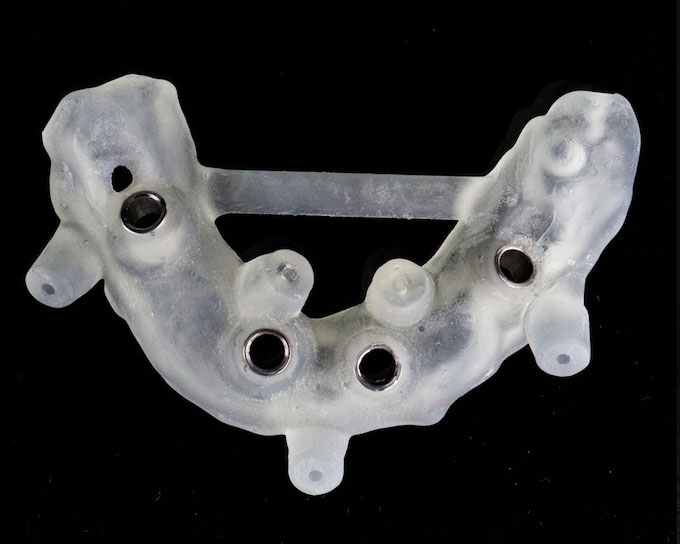
Implant restorations present a unique set of dental design challenges. First, the implant platform angle and emergence profile must align precisely with the patient’s anatomy. Next, screw access channels, tissue contours, and occlusal load distribution all require careful planning.
Practices in Scottsdale and Gilbert increasingly send us complex implant cases. Moreover, many of these involve multi-unit restorations or full-arch designs that demand a high level of digital precision.
At Dentek Digital, we offer advanced digital implant planning services to support these cases from start to finish. As a result, our implant restorations are designed with both function and long-term stability in mind.
If you are managing a complex implant case, contact Dentek Digital to discuss your design needs with our team before you send the case.
4. Margin Definition and Preparation Design
The design can only be as good as the preparation. However, preparation design varies widely between clinicians. Under-reduced teeth, insufficient axial walls, and unclear margin lines all create significant obstacles for lab technicians.
Additionally, feather-edge margins and deep subgingival preparations are among the most challenging to work with in CAD software. These preparations limit how accurately the lab can define and design the final margin.
Preparation characteristics that support better digital design:
- Clear, visible chamfer or shoulder margins
- Adequate occlusal reduction for the material being used
- Smooth, consistent axial walls
- Sufficient taper to allow for a well-fitting restoration
On the other hand, when preparations are optimized, the design process becomes faster, more accurate, and less likely to require remakes.
5. Material Selection and Design Compatibility
Not every design works for every material. For example, a design that is appropriate for full-contour zirconia may not translate well to a layered or pressed ceramic restoration. Therefore, material selection must be part of the design conversation — not an afterthought.
Furthermore, connector sizes in bridges, wall thickness in crowns, and surface texture preferences all vary depending on the material being used. Our team factors all of this into every design we produce.
We work with a wide range of high-performance materials. Additionally, we guide practices toward the best option based on the clinical requirements of each case.
Digital Workflow Breakdowns That Affect Design
Sometimes the challenge is not the design itself. Instead, it is a workflow issue that creates downstream design problems. These are equally important to address.
File Format and Software Compatibility
Digital impressions must be exported in a compatible format. However, not all intraoral scanners use the same file types. Because of this, data can sometimes arrive in a format that our software must convert before design can begin.
Fortunately, we work with all major scanner systems. Meanwhile, we are always ready to help practices troubleshoot file transfer issues quickly so cases stay on schedule.
Communication Gaps Between Practice and Lab
Design decisions are easier when the lab understands the full clinical picture. However, prescription forms are sometimes missing key information. Details like shade, material preference, occlusal scheme, and special instructions all affect how we approach the design.
Therefore, complete and clear case documentation is one of the most effective tools for reducing design errors. In addition, photos, bite records, and clinical notes give our technicians the context they need to design with confidence.
Explore your options by reaching out to the Dentek Digital team — we are happy to walk you through our case submission process and answer any questions you have.
How Dentek Digital Addresses These Challenges
We have built our entire workflow around anticipating and solving dental design challenges before they become clinical problems. First, we review every incoming scan and prescription before design begins. Next, we flag any issues and communicate directly with the practice. Then, we begin the design process with a complete and verified dataset.
Additionally, our technicians undergo continuous training on the latest CAD software and digital design techniques. As a result, we deliver restorations that meet the highest standards in the industry.
Practices from Phoenix to Tempe trust us because we treat every case with the same level of care and precision. Moreover, our turnaround times remain consistent even as we take on complex cases.
Frequently Asked Questions About Dental Design Challenges
What is the most common cause of design errors in digital dentistry?
Poor scan quality is the leading cause. Additionally, incomplete margin captures and missing bite registrations frequently create design problems that require correction or remakes.
How does Dentek Digital handle cases with poor scan data?
We contact the referring practice immediately. Furthermore, we explain what is missing and request a rescan before we begin any design work. This prevents costly errors later in the process.
Can preparation design affect the quality of a CAD-designed restoration?
Absolutely. In fact, preparation design is one of the biggest factors that determines how well a digital design can be executed. Clear margins and proper reduction give our technicians the best possible foundation to work with.
Do you support implant cases with digital design planning?
Yes. Dentek Digital offers advanced digital implant planning services. Therefore, we support both single-unit and full-arch implant cases with precise, lab-verified designs.
How can I reduce design-related remakes from my dental lab?
Focus on scan quality, preparation clarity, and complete case documentation. Additionally, partnering with a lab that communicates proactively — like Dentek Digital — helps catch issues before they result in remakes.
Partner With a Lab That Solves Problems, Not Just Makes Restorations
Dental design challenges are a normal part of the digital workflow. However, they do not have to slow your practice down or compromise patient outcomes. With the right lab partner, these obstacles become manageable and predictable.
At Dentek Digital, we bring deep technical expertise and a collaborative approach to every case we handle. Furthermore, we serve dental practices throughout Phoenix, Scottsdale, Mesa, Chandler, Gilbert, and Tempe — and we are ready to support yours.
Send us a case today and experience the difference that a truly digital dental lab makes. Our team is standing by to help you navigate even the most complex design challenges with confidence.