
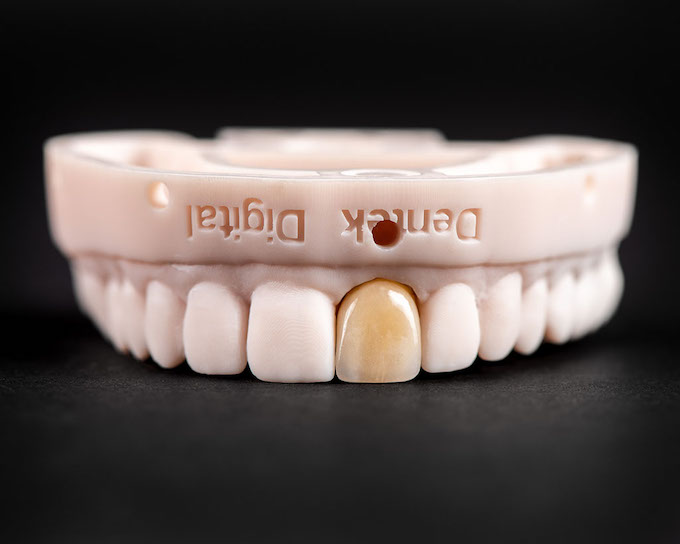
Implant cases are among the most demanding restorations in dentistry. They require precision at every stage — from scan to delivery. A well-structured implant CAD workflow makes that precision achievable and repeatable. It also helps your practice deliver better outcomes for patients across the Greater Phoenix area.
At Dentek Digital, we have been refining digital implant workflows since the earliest days of CAD/CAM adoption in the country. We work with dentists and dental practices throughout Phoenix, Mesa, Scottsdale, and Chandler. Our team understands what it takes to get implant cases right the first time.
In this guide, we walk through the key stages of a digital implant workflow. Whether you are new to digital dentistry or looking to sharpen your process, this resource is for you.
Why a Digital Workflow Changes Implant Cases
Traditional implant restorations relied heavily on manual impressions and analog lab processes. However, digital tools have transformed how labs and dental practices collaborate. The result is faster turnaround, better fit, and more predictable outcomes.
CAD/CAM dentistry allows labs to design and mill restorations with exceptional accuracy. This is especially important for implants, where margin fit and occlusion must be exact. Even small errors can lead to complications over time.
Furthermore, digital workflows reduce the number of appointment visits for patients. That is a real benefit for busy patients in communities like Gilbert and Tempe. Additionally, digital records are easy to store, share, and reference for future cases.
Key Advantages of Going Digital for Implants
- Improved accuracy: Digital scans capture detail that traditional impressions can miss.
- Faster communication: Labs and dentists can review designs digitally before milling.
- Fewer remakes: Better data at the start means fewer adjustments at delivery.
- Consistent results: CAD software applies the same design standards every time.
- Better patient experience: Less chair time and fewer impression appointments.
Stage One: Capturing the Right Scan Data
Every successful implant CAD workflow starts with a high-quality scan. The scan is the foundation of everything that follows. Therefore, getting it right is non-negotiable.
For implant cases, the scan must capture the implant position accurately. Most modern intraoral scanners use a scan body — a small component placed on the implant — to record its exact location and angulation. This data feeds directly into the CAD design phase.
Additionally, the opposing arch and bite registration must be captured clearly. These details help the lab design a restoration that fits into the patient’s natural occlusion. Missing this step often leads to fit issues at delivery.
Tips for a Better Implant Scan
- Confirm the scan body is fully seated before scanning.
- Capture a full arch scan, not just the implant area.
- Include the opposing arch in the same scan session.
- Check your scanner’s library for the correct scan body file.
- Review the scan for voids or distortions before submitting to the lab.
If you are unsure about scan quality, our team at Dentek Digital can help you evaluate the data before design begins. Contact Dentek Digital to discuss your case and get expert guidance from the start.
Stage Two: Design Phase — Where Precision Meets Artistry
Once the scan data arrives at the lab, the CAD design phase begins. This is where skill and technology work together. Our technicians use advanced software to design implant crowns, bridges, and full-arch restorations.
The design process considers several factors simultaneously. These include margin placement, contact points, occlusal anatomy, and emergence profile. Each factor affects how the restoration performs long-term.
Moreover, the implant CAD workflow allows the lab to share a digital design preview with the dentist before milling. This step is especially valuable for complex cases. It ensures both the lab and the clinician are aligned before any material is used.
What Happens During CAD Design
First, the lab technician imports the scan data into the CAD software. Next, they select the correct implant library and restoration type. Then, the software generates an initial design based on the surrounding anatomy.
From there, the technician refines the design manually. They adjust contact points, check occlusion, and sculpt the anatomy. Finally, the design is approved and sent to the milling unit or 3D printer.
Material Selection for Implant Restorations
Material choice is a critical decision in any implant case. However, it depends on the patient’s bite force, esthetic goals, and implant location. Common options include zirconia, lithium disilicate, and titanium-based frameworks.
Zirconia is a popular choice for its strength and esthetics. On the other hand, titanium frameworks are preferred for full-arch cases requiring maximum durability. Our lab works with dentists throughout Chandler and Scottsdale to select the right material for each patient.
Stage Three: Milling, Printing, and Fabrication
After design approval, the restoration enters the fabrication stage. This is where digital precision becomes a physical restoration. Our lab uses state-of-the-art milling and printing equipment to achieve consistently high-quality results.
Milling carves the restoration from a solid block of material. Because of this, the internal fit and marginal accuracy are excellent. 3D printing is also used for certain components, such as surgical guides and models.
Additionally, post-processing steps like sintering, staining, and glazing bring the restoration to its final appearance. Each step is performed by skilled lab technicians who understand the demands of implant cases.
Quality Checks at Every Stage
Quality control is built into every step of our fabrication process. For example, margins are checked under magnification before delivery. Contacts and occlusion are also verified on articulated models.
Furthermore, every case is reviewed by a senior technician before it ships. We serve dental practices across the Greater Phoenix area, including Mesa and Tempe. Therefore, we take every case personally — because your patients depend on it.
Stage Four: Delivery and Seating the Restoration
A smooth delivery appointment is the final test of a successful implant CAD workflow. When the workflow is executed correctly, seating the restoration should be straightforward. However, there are still a few things to verify at delivery.
First, confirm the implant restoration seats fully and passively. Next, check the interproximal contacts with dental floss. Then, verify the occlusion in centric and excursive movements.
If adjustments are needed, keep them minimal. Significant adjustments often point to an issue earlier in the workflow — usually in the scan or design phase. As a result, addressing those upstream steps prevents the same problem from recurring.
Communicating with Your Lab at Delivery
If you encounter fit or occlusion issues, communicate them to your lab clearly. Send photos, bite records, or notes about what needs to be corrected. This feedback loop improves every case that follows.
At Dentek Digital, we welcome that communication. Our team uses your feedback to refine our designs and deliver better results on future cases. We are a true partner in your clinical success.
How Dentek Digital Supports Implant Cases from Start to Finish
We are proud to be a recognized leader in digital dentistry across Arizona. Our team has supported implant cases ranging from single-unit crowns to complex full-arch reconstructions. We work with dentists in Phoenix, Mesa, Scottsdale, Chandler, Gilbert, and Tempe.
Our services include implant crowns, implant-supported bridges, full-arch restorations, and digital implant planning. We also offer TattooTH, our advanced esthetic service for highly personalized restorations. Additionally, our team is available to consult on case selection, material choices, and workflow decisions.
Explore your options and send us a case — we make it easy to get started. Our case submission process is streamlined for busy dental practices that value efficiency and reliability.
Frequently Asked Questions About Implant CAD Workflows
What is an implant CAD workflow?
An implant CAD workflow is the digital process used to design and fabricate implant restorations. It begins with a digital scan and ends with a milled or printed restoration. The workflow uses CAD software to ensure accuracy and a precise fit.
Do I need a specific intraoral scanner for implant cases?
Most modern intraoral scanners support implant scanning with the right scan body. However, it is important to confirm that your scanner’s library includes the scan body for your implant system. Contact our team and we can help you verify compatibility.
How long does the implant CAD design and fabrication process take?
Turnaround times vary depending on the complexity of the case and the material used. Generally, most implant restorations are completed within a few business days after we receive approved scan data. We work with your schedule to meet clinical timelines.
Can Dentek Digital help with full-arch implant cases?
Yes. We fabricate full-arch restorations including screw-retained bridges and implant-supported dentures. Our team has extensive experience with complex multi-unit implant cases. We serve dental practices throughout the Greater Phoenix area.
What materials does Dentek Digital use for implant restorations?
We work with a range of high-quality materials, including zirconia, lithium disilicate, PMMA, and titanium-based frameworks. Material selection depends on clinical factors and esthetic goals. Our team can guide you through the best options for each case.
Partner with Dentek Digital for Precision Implant Restorations
A reliable implant CAD workflow is one of the most valuable systems your practice can build. It reduces remakes, improves patient outcomes, and strengthens the partnership between your practice and your lab. Moreover, it positions your office as a modern, digital-forward dental practice.
At Dentek Digital, we combine advanced CAD/CAM technology with the craftsmanship of experienced technicians. We serve dentists and dental practices throughout Phoenix, Mesa, Scottsdale, Chandler, Gilbert, and Tempe. Our goal is simple: deliver the highest quality restorations with the reliability you can count on.
Ready to take your implant cases to the next level? Contact Dentek Digital today and let our team support your next case from scan to delivery.