
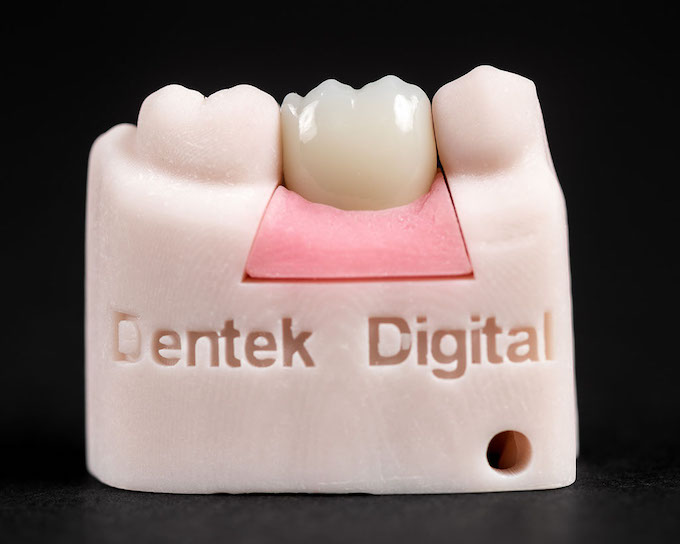
Effective denture case planning is one of the most important steps in delivering a great patient outcome. When the planning phase is thorough, everything downstream becomes easier. The restoration fits better, the workflow runs smoother, and the patient leaves satisfied.
Digital dentures have changed the way dental practices approach this process. Today, CAD/CAM technology gives labs and dentists more precision and control than ever before. However, the technology only works well when the case is planned correctly from the start.
At Dentek Digital, our team works with dental practices across Phoenix, Scottsdale, Mesa, and Chandler every day. We see firsthand how strong case planning leads to stronger results. Therefore, we put together these practical tips to help your team get the most out of every digital denture case.
Why Digital Denture Case Planning Matters
Traditional dentures relied heavily on manual impressions and trial-and-error adjustments. Digital workflows have reduced much of that guesswork. However, the benefits only come through when the case is set up properly.
Good planning improves fit, reduces remakes, and saves time for your practice. It also helps your lab partner deliver a restoration that meets your patient’s needs on the first try. Because of this, investing time in the planning phase pays off significantly.
The Role of the Digital Workflow
CAD/CAM dentistry has made it possible to design and fabricate dentures with a level of accuracy that was once difficult to achieve. Digital scans replace traditional impressions. Software allows for virtual try-ins before fabrication begins.
As a result, both the dentist and the patient get a clearer picture of the final outcome. Additionally, the lab can catch potential fit issues before the restoration is ever milled or printed. This collaborative process is at the heart of modern digital denture fabrication.
Tip 1: Start with a Complete Patient Assessment
Before any scan or impression is taken, gather a thorough patient history. Note any existing prosthetics, bone loss, soft tissue changes, or bite issues. This information shapes every decision that follows.
Also, consider the patient’s functional and aesthetic goals. Some patients prioritize chewing efficiency. Others place high value on appearance and natural-looking teeth. Understanding these priorities helps your lab partner make the right choices during design.
Evaluate Vertical Dimension of Occlusion
Vertical dimension of occlusion, or VDO, refers to the measured height of the face when the teeth are in contact. It is one of the most critical factors in denture case planning. Getting it right affects both function and comfort.
Digital tools allow labs to evaluate and adjust VDO virtually before fabrication. Therefore, providing your lab with accurate records of the patient’s current or ideal VDO is essential. Include photos, mounted study models, or digital records whenever possible.
Tip 2: Capture High-Quality Digital Records
The quality of your digital records directly affects the quality of the final restoration. Poor scans lead to inaccurate designs. Inaccurate designs lead to remakes and delays.
Use a well-calibrated intraoral scanner and follow proper scanning protocols. Make sure the tissue is dry and retracted appropriately during the scan. Furthermore, capture the full arch with adequate overlap so the software can register the data accurately.
Include Bite Registration and Lip Support Data
Bite registration records are especially important for complete denture cases. They help the lab position the teeth correctly in relation to the opposing arch. Without accurate bite records, even a well-designed denture can feel off.
Lip support data is equally valuable. Photos showing the patient’s profile with and without existing dentures give the lab critical reference points. Additionally, a facebow record can help the lab replicate the patient’s natural jaw position in the digital design environment.
Tip 3: Communicate Clearly with Your Lab
Clear communication between your practice and your lab partner is essential. Many remakes and delays come from incomplete or unclear case instructions. The more detail you provide, the better your results will be.
When submitting a digital denture case, include the patient’s age, aesthetic preferences, and any special functional requirements. Also note prior complaints about existing dentures if applicable. This context helps our technicians make design decisions that are specific to each patient.
Use Prescription Forms and Case Notes Consistently
Develop a consistent habit of filling out lab prescriptions completely. Even experienced clinicians sometimes skip fields when they are busy. However, missing information forces the lab to make assumptions.
For example, if tooth shade or mold selection is left blank, the lab must choose for you. That choice may not match your patient’s expectations. Therefore, treat the prescription form as part of the clinical record, not an afterthought.
Photos Are Worth More Than You Think
Clinical photos are one of the most valuable tools in case planning. A full-face smile photo, a retracted intraoral shot, and a profile view give the lab a complete picture. Moreover, they allow technicians to personalize the design in ways that charts and numbers alone cannot capture.
Practices in Gilbert, Tempe, and across the Phoenix metro area that submit strong photo documentation consistently see better first-time fit results. It is a small step that makes a measurable difference in the final product.
Tip 4: Plan for the Try-In Stage
Digital denture workflows often include a try-in stage using a printed or milled trial denture. This step lets the patient evaluate fit, comfort, and aesthetics before the final restoration is fabricated. It is one of the biggest advantages of going digital.
Plan this appointment into your scheduling when submitting the case. Allow adequate time for the patient to evaluate the trial and provide feedback. Because of this extra step, patients feel more confident in the process and the final outcome.
Document Try-In Adjustments Carefully
When adjustments are needed at the try-in stage, document them thoroughly. Note which teeth need repositioning, where additional lip support is needed, and any occlusal changes. Then send those notes back to your lab with the trial denture.
Clear adjustment notes allow the lab to make precise corrections in the digital design before final fabrication. As a result, you avoid costly remakes and reduce the number of appointments required to complete the case.
Tip 5: Partner with a Lab That Specializes in Digital Dentures
Not all dental labs offer the same level of digital expertise. A lab that specializes in digital dentures brings more than just equipment to your cases. They bring trained technicians, refined workflows, and experience across many different clinical scenarios.
Dentek Digital was one of the earliest adopters of digital CAD/CAM workflows in the country. Our team has fabricated digital restorations for practices throughout Phoenix, Scottsdale, Chandler, and beyond. We combine advanced technology with skilled craftsmanship to deliver restorations you and your patients can rely on.
Ready to elevate your digital denture workflow? Contact Dentek Digital to discuss your next case and find out how our team can support your practice.
Frequently Asked Questions About Digital Denture Case Planning
What records do I need to submit for a digital denture case?
Most digital denture cases require digital scans or impressions of the upper and lower arches, a bite registration, clinical photos, and a completed lab prescription. Additional records like a facebow transfer or phonetic records can be helpful for complex cases. The more complete your submission, the smoother the process will be.
How does digital denture planning differ from traditional planning?
Traditional planning relies on physical impressions, stone models, and manual wax try-ins. Digital planning uses intraoral scans and CAD/CAM software to design restorations virtually. As a result, the process is faster, more precise, and allows for easier adjustments before fabrication begins.
Can digital dentures be used for patients with complex cases?
Yes. Digital workflows are well-suited for complex cases, including patients with significant bone loss, history of multiple remakes, or specific aesthetic demands. In fact, the ability to preview and adjust the design virtually makes digital dentures especially valuable for challenging situations.
How long does the digital denture process typically take?
Turnaround times vary depending on the complexity of the case and whether a try-in stage is included. However, digital workflows generally reduce overall fabrication time compared to traditional methods. Your lab partner can give you a realistic timeline based on your specific case details.
What should I do if I am new to submitting digital denture cases?
Start by reaching out to your lab partner before the appointment. Discuss what records are needed and how to submit them. Additionally, ask about case planning support or consultation services. Many digital labs, including Dentek Digital, are happy to guide new submitters through the process step by step.
Work with Dentek Digital on Your Next Denture Case
Strong denture case planning is the foundation of every successful digital denture. From the initial patient assessment to the final delivery, each step matters. When your records are complete and your communication is clear, your lab can do its best work.
Dentek Digital serves dental practices across Phoenix, Mesa, Scottsdale, Chandler, Gilbert, and Tempe. We bring national-level digital dentistry expertise to every case we receive. Furthermore, we are committed to being a true partner in your practice’s success.
Explore your options and take the next step toward better digital denture outcomes. Reach out to the Dentek Digital team today to send us a case or learn more about our digital denture services. We are here to help you deliver the best possible care to your patients.