
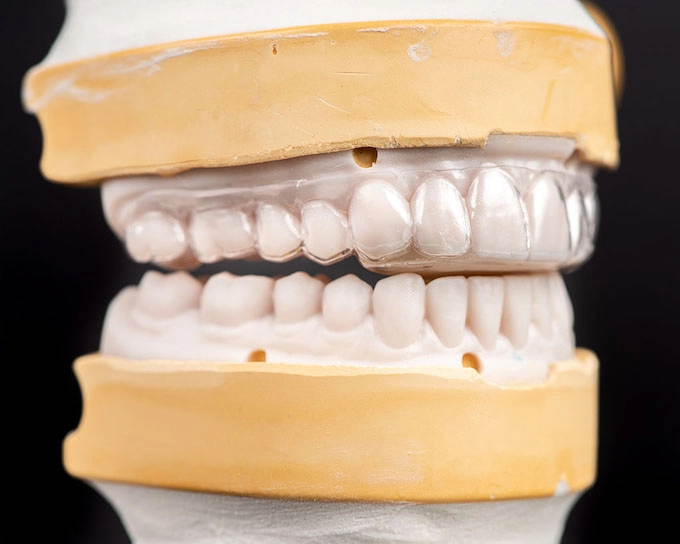
Dental technology is evolving faster than ever. Printed dentures represent one of the most exciting advances in modern removable prosthetics. They are changing how dental labs and dental practices approach full and partial denture fabrication.
For dentists in Phoenix, Mesa, Scottsdale, and beyond, understanding this technology is increasingly important. Patients expect better-fitting, better-looking appliances. Meanwhile, dental labs are delivering exactly that — with greater precision than traditional methods allow.
In this post, we break down how printed denture technology works, what makes it different, and why it matters for your practice and your patients.
What Are Printed Dentures?
Printed dentures are removable dental prosthetics fabricated using 3D printing technology. Instead of pouring acrylic into a mold by hand, a dental lab prints the denture base and teeth digitally. The process relies on a fully digital workflow from start to finish.
This is a significant shift from conventional denture fabrication. Traditional methods involve multiple manual steps, which introduce more opportunities for error. Therefore, the digital approach tends to deliver more consistent, repeatable results.
How the Digital Workflow Works
The process starts with digital impressions or scanned stone models. Next, a skilled technician designs the denture virtually using CAD/CAM dentistry software. The design is then sent to a high-precision 3D printer that builds the restoration layer by layer.
After printing, the denture is cleaned, cured, and finished by hand. This final step ensures quality and a natural appearance. As a result, the process combines the accuracy of digital design with the craftsmanship of an experienced technician.
What Materials Are Used?
Most printed dentures use high-quality photopolymer resins. These materials are biocompatible and specifically formulated for dental use. They are available in a range of shades to closely match natural gum tissue and tooth color.
Furthermore, printed denture teeth can be fabricated separately from the base. This allows labs to select the most appropriate materials for each component. The result is a restoration that performs well both functionally and esthetically.
How Printed Dentures Differ from Traditional Dentures
Traditional denture fabrication is a labor-intensive process. It involves wax-ups, flasking, packing acrylic, and curing — all done by hand. Each step adds time and introduces variables that can affect the final fit.
Printed dentures streamline this process significantly. Because the design is completed digitally, adjustments are made on screen before a single drop of resin is printed. This reduces the risk of costly remakes and chairside adjustments.
Fit and Accuracy
One of the most compelling advantages is accuracy. Digital design allows technicians to plan tooth position, occlusion, and denture base contours with exceptional precision. Additionally, the printing process is highly repeatable, so every unit comes out exactly as designed.
For patients in communities like Chandler, Gilbert, and Tempe, this means dentures that fit better from the start. Moreover, fewer adjustments translate to a smoother delivery appointment for the dentist and a more comfortable experience for the patient.
Turnaround Time
Speed is another key benefit. Traditional dentures can take several weeks through a conventional lab process. In contrast, the digital workflow removes many time-consuming manual steps. Therefore, printed dentures can often be delivered faster without sacrificing quality.
This matters for practices managing busy patient schedules. Faster turnaround means patients receive their appliances sooner. It also means your practice can serve more patients efficiently.
Digital Records and Remakes
One often-overlooked advantage is the digital record. Once a denture is designed digitally, that file is stored. If a patient loses or damages their denture, the lab can reprint it without starting from scratch.
This is a major improvement over traditional methods. In the past, a lost denture meant a completely new impression and fabrication process. However, with digital records, remakes are faster, more affordable, and more consistent.
The Role of the Dental Lab in Printed Denture Fabrication
A digital workflow is only as good as the team behind it. Skilled lab technicians play a critical role in the quality of printed dentures. Software alone does not produce a great result — experienced design and finishing work does.
At Dentek Digital, our team combines advanced CAD/CAM technology with deep clinical knowledge. We were among the earliest digital dental labs in the country to adopt this workflow. Because of this, we bring both experience and precision to every case we fabricate.
Designing for Function and Esthetics
Digital denture design requires a thorough understanding of occlusion, phonetics, and esthetics. A skilled technician evaluates each case carefully before placing teeth in the design software. This ensures the final restoration functions properly and looks natural.
Additionally, the design phase allows for collaboration with the referring dentist. If a practice in Scottsdale has specific esthetic goals for a patient, those preferences can be incorporated directly into the digital design. Communication is faster and clearer in the digital workflow.
Finishing and Quality Control
After printing, every denture goes through a thorough finishing process. Technicians inspect and refine the occlusion, polish the base, and verify the overall quality. Moreover, this step ensures that what leaves the lab meets the highest standard.
Quality control is built into every phase of the process. From the initial scan to the final inspection, nothing is left to chance. This is what separates a high-quality digital lab from a lower-tier provider.
If you’re ready to experience this level of precision for your patients, contact Dentek Digital to discuss your next denture case.
Who Is a Good Candidate for Printed Dentures?
Most edentulous and partially edentulous patients are good candidates. The digital workflow accommodates a wide range of clinical situations. However, accurate records — whether digital scans or quality stone models — are essential for a successful outcome.
Dentists in the Greater Phoenix area serving patients in Mesa, Chandler, Gilbert, and Tempe have found that the printed denture process integrates smoothly into their existing workflows. The lab handles the digital heavy lifting while the dentist focuses on the clinical relationship.
Cases That Benefit Most
- Immediate dentures: Digital planning allows for faster fabrication before extractions.
- Duplicate dentures: Existing dentures can be scanned and replicated digitally.
- Implant-retained overdentures: Digital design improves accuracy for implant-supported cases.
- Challenging esthetic cases: Digital tooth arrangement allows for precise pre-visualization.
In each of these scenarios, the digital workflow adds value. It reduces guesswork, improves outcomes, and supports better communication between the lab and the dentist.
Tips for Dentists Transitioning to Digital Dentures
Transitioning to a digital denture workflow takes some planning. However, the process is more straightforward than many dentists expect. Here are a few practical tips to help your practice get started.
- Invest in quality impression or scanning records. The digital process is only as accurate as the records it starts with. High-quality impressions or intraoral scans make a significant difference.
- Communicate esthetic goals clearly. Share photos, shade information, and patient preferences with your lab upfront. This helps the technician design the right result the first time.
- Work with an experienced digital lab. Not all labs have the same depth of experience with printed dentures. Choose a partner with a proven digital workflow and a strong track record.
- Plan for a learning curve. Your first few cases may take more communication. Over time, the process becomes faster and more familiar for everyone involved.
- Ask about digital records storage. Confirm that your lab stores digital files for future remakes and duplicate cases.
These steps will help you deliver a better patient experience from the very first printed denture case. Furthermore, a strong lab partnership makes the transition much smoother.
Frequently Asked Questions About Printed Dentures
Are printed dentures as durable as traditional dentures?
Yes, modern dental-grade resins used in printed dentures are designed for long-term clinical use. They are biocompatible, strong, and comparable to traditional acrylic materials in durability. Additionally, finishing quality plays a major role in the lifespan of any denture.
Can printed dentures be repaired?
Minor repairs are possible, similar to traditional dentures. However, one major advantage of printed dentures is the stored digital file. If significant damage occurs, the lab can reprint the denture more easily than starting over from scratch.
How do printed dentures look compared to conventional ones?
When designed and finished by skilled technicians, printed dentures can look excellent. Digital design allows for precise tooth placement and natural-looking gum contours. Moreover, the available resin shades support realistic esthetic results.
Does my practice need a 3D printer to offer printed dentures?
No. Your dental lab handles all the printing and fabrication. You simply provide quality impressions or digital scans. Therefore, no in-office equipment investment is required to begin offering this service to your patients.
How do I submit a printed denture case to Dentek Digital?
Submitting a case is straightforward. You can send physical models or digital scan files along with your prescription and esthetic preferences. Our team will guide you through the process and keep you informed at every step.
Partner with a Phoenix Digital Dental Lab You Can Trust
Printed denture technology is here, and it is only getting better. Dentists across Phoenix, Scottsdale, Mesa, Chandler, and the surrounding communities are already seeing the benefits — better-fitting appliances, faster turnaround, and happier patients.
At Dentek Digital, we have been at the forefront of digital dentistry since its early days. We combine the latest CAD/CAM technology with skilled, experienced technicians to deliver restorations your patients can rely on. Our team is ready to support your practice with every printed denture case you send our way.
Explore your options and take the next step toward a more efficient, more precise denture workflow. Reach out to the Dentek Digital team today to send us a case or learn more about our digital denture services.