
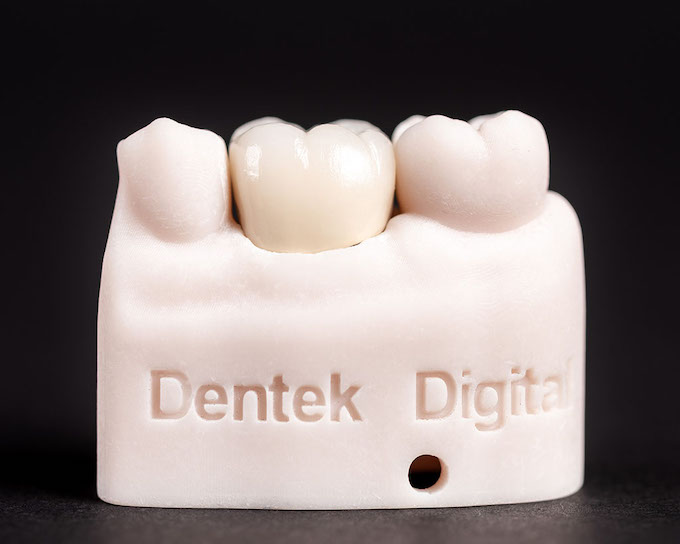
The world of denture manufacturing is changing fast. Denture innovation is reshaping how dental labs design, fabricate, and deliver removable restorations. For dentists and dental practices across the Greater Phoenix area, these advances mean better outcomes for patients.
At Dentek Digital, we have been at the forefront of digital dentistry since the early days of CAD/CAM workflows. We watch every shift in technology closely. Therefore, we want to share what the future of denture manufacturing looks like — and why it matters to your practice.
Whether you serve patients in Phoenix, Scottsdale, Mesa, or Chandler, understanding what is coming next helps you plan smarter. Let’s explore the innovations that are already arriving.
How Digital Technology Is Transforming Denture Fabrication
Traditional denture fabrication relied heavily on manual techniques. However, digital workflows have changed the process entirely. Today, labs use advanced software and milling machines to produce dentures with remarkable precision.
CAD/CAM dentistry allows dental technicians to design restorations digitally before a single material is cut. This removes many of the variables that once caused fit issues. As a result, dentists see fewer remakes and patients experience better comfort.
Furthermore, digital records can be stored and reused. If a patient loses or damages a denture, the lab can fabricate a replacement quickly. This is a major advantage that traditional workflows simply cannot match.
The Role of Intraoral Scanners in Modern Denture Workflows
Intraoral scanners are becoming more common in dental practices across Gilbert, Tempe, and the broader Phoenix metro. These devices capture precise digital impressions without the mess of traditional impression materials. Therefore, the data sent to the lab is cleaner and more accurate from the start.
As scanner technology improves, edentulous arch scanning is becoming more reliable. This opens the door to fully digital denture workflows from impression to delivery. Additionally, patients tend to find the scanning process more comfortable than traditional methods.
Milling vs. 3D Printing: Two Paths Forward
Right now, two primary fabrication methods drive denture innovation: milling and 3D printing. Both have real strengths. Milling produces dense, highly accurate restorations from proven materials. Meanwhile, 3D printing is advancing rapidly and offers new design flexibility.
Printed denture materials have improved significantly in recent years. However, milled dentures still offer advantages in surface density and long-term durability. In the future, both methods will likely coexist, each serving different clinical needs.
At Dentek Digital, we closely evaluate new materials and fabrication technologies. Our goal is always to deliver the best possible restoration for every case we receive.
Emerging Materials Driving Denture Innovation
Materials science is one of the most exciting frontiers in denture innovation. New resins, polymers, and composite materials are entering the market regularly. These materials offer improvements in strength, aesthetics, and biocompatibility.
For example, next-generation denture resins are being engineered to resist staining more effectively than older materials. Additionally, some new materials offer improved impact resistance, which reduces fracture risk. Because of this, patients may enjoy longer-lasting restorations overall.
Flexible and semi-flexible denture materials are also evolving. These materials can improve comfort and retention in certain cases. Moreover, they allow technicians to create restorations that better adapt to the unique contours of each patient’s arch.
Multilayer Materials for Superior Aesthetics
One of the most promising developments is the rise of multilayer denture blanks. These materials mimic the natural gradient of shade and translucency found in real teeth and gum tissue. Therefore, the final restoration looks far more lifelike than traditional single-shade dentures.
For dental practices in Scottsdale and Chandler where patients often expect premium aesthetic results, this matters greatly. Furthermore, improved aesthetics can strengthen patient confidence and satisfaction. That directly benefits your practice’s reputation.
Antimicrobial and Bioactive Materials
Researchers are actively developing denture materials with antimicrobial properties. These materials are designed to inhibit bacterial growth on the denture surface. As a result, patients may experience better oral health outcomes and reduced denture-related infections.
Bioactive materials represent another exciting area. These materials can interact positively with surrounding tissues over time. However, most of these advances are still moving through clinical research stages. We monitor these developments carefully as they approach commercial availability.
Artificial Intelligence and Smarter Design Tools
Artificial intelligence is beginning to influence how dental labs design restorations. AI-powered software can analyze patient data and suggest optimal tooth positioning, arch form, and occlusal designs. Therefore, the design process becomes faster and more consistent.
For experienced technicians, AI tools act as a powerful assistant rather than a replacement. They help catch potential design issues before fabrication begins. Additionally, they can streamline communication between the dental practice and the lab.
At Dentek Digital, skilled craftsmanship remains at the core of everything we do. Technology enhances that craftsmanship — it does not replace it. We believe the future belongs to labs that combine digital intelligence with human expertise.
Automated Occlusal Analysis
Getting occlusion right is one of the most critical factors in a successful denture. AI-assisted occlusal analysis tools are improving rapidly. These tools can evaluate bite relationships digitally before the case ever reaches the fabrication stage.
This reduces the risk of adjustments after delivery. Moreover, it gives the dental team greater confidence in the final result. Because of this, patient appointments run more smoothly and efficiently.
Virtual Try-In Technology
Virtual try-in is an emerging concept that allows patients and dentists to preview the expected appearance of a denture digitally. Using facial scanning and 3D design software, a simulated result can be shown before any physical restoration is made.
This technology is still maturing. However, it holds tremendous promise for improving communication between dentists, patients, and labs. Furthermore, it may reduce the number of try-in appointments needed in clinical workflows.
Implant-Supported Dentures and Digital Planning
Implant-supported removable prosthetics represent one of the fastest-growing areas in restorative dentistry. Digital planning tools now allow for highly precise implant placement planning before surgery. Therefore, the integration between the implant and the final prosthetic is more predictable.
Dentek Digital offers advanced digital implant planning services. We work closely with dental teams across Mesa, Gilbert, and surrounding communities to support these cases from start to finish. Additionally, our digital implant workflows reduce guesswork and improve overall case outcomes.
As implant prosthetics evolve, so do the dentures designed to attach to them. New attachment systems and milled bar designs are improving retention, stability, and patient comfort. Finally, digital fabrication ensures these complex restorations are produced with the precision they require.
If you are managing implant overdenture cases, contact Dentek Digital to discuss how our digital lab services can support your workflow.
What These Innovations Mean for Phoenix-Area Dental Practices
Greater Phoenix is a competitive dental market. Practices in Tempe, Scottsdale, Chandler, and across the valley are always looking for ways to deliver better patient care. Embracing denture innovation gives your practice a clear advantage.
Faster turnaround times, better-fitting restorations, and improved aesthetics all contribute to higher patient satisfaction. Moreover, digital workflows reduce the back-and-forth that can slow down your schedule. Therefore, your team spends less time managing remakes and more time serving patients.
Partnering with a forward-thinking digital dental lab like Dentek Digital means you stay ahead of these trends without having to invest in the technology yourself. We bring the innovation — you bring the patients.
Practical Steps to Prepare Your Practice
- Invest in a quality intraoral scanner if you have not already. Clean digital impressions are the foundation of every successful digital denture case.
- Communicate clearly with your lab. Send detailed case notes, photos, and patient preferences. The more information we have, the better the result.
- Stay educated on new materials. Ask your lab partners about material options that suit specific patient needs and aesthetic goals.
- Consider digital implant planning for complex implant overdenture cases. Planning digitally reduces surgical surprises and improves prosthetic fit.
- Review your denture workflows regularly. As technology evolves, your protocols should evolve with them.
Frequently Asked Questions About Denture Innovation
What is digital denture fabrication?
Digital denture fabrication uses CAD/CAM software and milling or 3D printing technology to design and produce dentures. It replaces many manual steps in the traditional process. As a result, fit and consistency are significantly improved.
How does denture innovation benefit my patients?
Patients benefit from better-fitting, more aesthetic, and longer-lasting restorations. Additionally, digital workflows often reduce the number of adjustment appointments needed. This makes the process more convenient for your patients and your team.
Are 3D-printed dentures as good as milled dentures?
Both have their place. Milled dentures currently offer advantages in density and durability for many cases. However, 3D printing technology is improving rapidly. Therefore, the best choice depends on the specific case and material requirements.
Does Dentek Digital offer digital denture services?
Yes. Dentek Digital fabricates high-quality digital dentures for dental practices across the Greater Phoenix area. We use advanced CAD/CAM technology and continue to adopt new innovations as they become available. We welcome cases from practices throughout Mesa, Scottsdale, Chandler, Tempe, Gilbert, and beyond.
How do I get started with digital denture cases at Dentek Digital?
Getting started is simple. Reach out to our team, share your case details, and we will guide you through the process. We work closely with dental practices of all sizes to support smooth, successful digital denture workflows.
Partner With Dentek Digital for Forward-Thinking Denture Solutions
The future of denture manufacturing is arriving faster than most people expect. Denture innovation is no longer a distant concept — it is happening right now in labs like ours. Therefore, the time to embrace these advances is today.
At Dentek Digital, we combine decades of technical expertise with the latest digital tools and materials. We are proud to serve dental practices across Phoenix, Mesa, Scottsdale, Chandler, Gilbert, Tempe, and the entire Greater Phoenix area. Our mission is to help you deliver the best possible care to every patient.
Ready to elevate your denture cases? Explore your options and send us a case today. Our team is here to support you every step of the way.