
Dental implants are one of the most reliable and effective tooth replacement solutions available today. However, their long-term success depends on more than just accurate placement and a well-fabricated restoration. Implant maintenance plays a critical role in protecting both the implant and the surrounding tissue over time.
For dental practices in Phoenix and across the Greater Phoenix area, educating patients on proper maintenance is just as important as the procedure itself. Moreover, the quality of the restoration used also directly affects how easy and effective ongoing care will be.
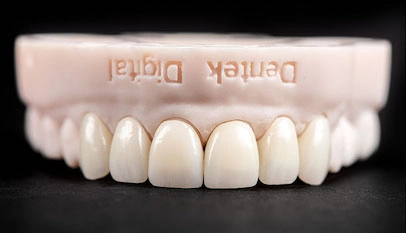
At Dentek Digital, we fabricate precision implant restorations using advanced CAD/CAM technology. We partner with dentists throughout Phoenix, Mesa, Chandler, Gilbert, and Scottsdale to deliver restorations designed for both optimal fit and long-term durability.
Why Implant Maintenance Matters
Implants are designed to last for many years. However, they are not completely maintenance-free. Without proper care, implants can develop complications that threaten their longevity.
Peri-implant disease — inflammation and bone loss around an implant — is one of the most common complications seen in practice. Because of this, consistent maintenance protocols are essential for every implant patient.
Additionally, the quality of the restoration itself contributes to how well the implant site can be maintained. Restorations with precise margins and smooth contours are much easier for patients to clean effectively.
The Connection Between Restoration Quality and Maintenance
A well-designed restoration makes daily hygiene more manageable for patients. For example, poorly contoured crowns can trap plaque and make flossing difficult. As a result, even the most motivated patient may struggle to keep the site healthy.
At Dentek Digital, our CAD/CAM workflow allows us to engineer restorations with anatomy that supports healthy tissue response. Furthermore, our digital process ensures consistent accuracy across every case we produce.
Key Implant Maintenance Protocols for Dental Practices
Establishing a clear maintenance protocol is one of the most important things a dental practice can do for implant patients. Therefore, it helps to have a structured approach that covers both in-office and at-home care.
The following areas are commonly addressed in effective implant maintenance programs. These apply to practices serving patients throughout the Phoenix metro, including Tempe, Chandler, and surrounding communities.
Regular Professional Cleanings
Implant patients should return for professional cleanings on a consistent schedule. During these visits, clinicians use non-abrasive, implant-safe instruments to clean around the implant without scratching the surface.
Additionally, clinicians assess the tissue and bone levels at each visit. Early detection of any changes allows for timely intervention before more serious issues develop.
Radiographic Monitoring
Periodic radiographs are essential for monitoring bone levels around the implant. They help identify bone loss that may not yet show clinical signs. Therefore, regular imaging is a key component of any long-term maintenance plan.
Furthermore, comparing current images with baseline records from placement time gives a clear picture of how the implant site is progressing. This is especially important for patients with a history of periodontal disease.
Occlusal Evaluation
Implants do not have the same proprioceptive feedback as natural teeth. As a result, they can be more vulnerable to occlusal overload — excessive biting force — without the patient being aware of it.
Clinicians should evaluate the occlusion at every maintenance appointment. Moreover, patients who grind or clench their teeth may need a nightguard to protect their implant restoration. Dentek Digital also fabricates high-quality splints and nightguards designed specifically for implant-supported restorations.
At-Home Care Guidance for Implant Patients
Patient education is a cornerstone of successful implant maintenance. Patients need clear, simple instructions they can follow consistently at home. In addition, they need to understand why each step matters.
General at-home care guidance for implant patients typically includes the following:
- Brushing twice daily with a soft-bristle brush around all implant surfaces
- Flossing daily using implant-specific floss or an interdental brush to clean below the gum line
- Using a water flosser as a helpful supplement to traditional flossing
- Avoiding abrasive toothpastes that can scratch implant surfaces over time
- Reporting any discomfort or changes in the implant area promptly
Simple, consistent habits make a meaningful difference. Therefore, reinforcing these instructions at every appointment keeps patients engaged in their own care.
Addressing Patient Compliance Challenges
Some patients struggle with maintaining consistent home care routines. However, this is a common challenge and one that practices can address proactively. Short, motivating conversations at each visit help reinforce good habits.
For example, showing patients their radiographs and explaining what healthy bone looks like can increase their motivation. Moreover, providing written instructions or digital resources gives patients something to reference at home.
Restorative Factors That Influence Long-Term Maintenance
The design and fabrication of the implant restoration itself has a significant impact on how maintainable it is over time. For example, the emergence profile — the shape of the crown as it exits the implant — affects how cleanable the area is.
Additionally, the type of restoration used — cement-retained versus screw-retained — can influence maintenance access. Screw-retained restorations are generally easier to remove and service if needed. Therefore, the choice of restoration design is worth discussing with the lab early in the treatment planning process.
How CAD/CAM Technology Supports Better Outcomes
CAD/CAM dentistry allows dental labs like Dentek Digital to design restorations with a level of precision that directly supports long-term maintenance. Digital workflows enable precise margin adaptation, ideal contours, and accurate occlusal contacts.
Furthermore, digital records allow our team to reproduce or modify a restoration efficiently if needed down the line. This gives both the dental practice and the patient a meaningful long-term advantage. We proudly serve practices throughout Phoenix, Mesa, Scottsdale, and the broader Arizona region with this level of digital precision.
Material Selection and Maintenance
The material used for an implant restoration also affects how it wears and how easy it is to maintain. Zirconia, for example, is highly resistant to plaque accumulation due to its smooth, dense surface.
On the other hand, some materials may require different care or monitoring approaches. Therefore, it is always valuable to discuss material options with your dental lab when planning an implant case. Our team at Dentek Digital can help guide those decisions based on each patient’s specific clinical needs.
Frequently Asked Questions About Implant Maintenance
How often should implant patients come in for maintenance visits?
Most implant patients benefit from professional maintenance visits every three to six months. However, the ideal frequency depends on the patient’s overall oral health history and any risk factors present. Your clinical judgment should guide the schedule.
Can implants get cavities?
No — implants themselves cannot get cavities. However, the surrounding gum tissue and bone can still be affected by bacterial buildup. As a result, regular cleaning and monitoring remain essential even without the cavity risk.
What tools are safe to use around implants during professional cleanings?
Implant-safe instruments include plastic or resin curettes and certain ultrasonic tips designed for implant surfaces. Metal scalers can scratch the implant surface and should be avoided. Additionally, non-abrasive polishing pastes are preferred for implant-supported restorations.
What role does the dental lab play in implant maintenance?
The lab plays a significant role by fabricating restorations that support healthy tissue and easy cleaning. Furthermore, a quality lab can help you plan emergence profiles and material choices that reduce maintenance challenges from the start. Dentek Digital works closely with practices throughout the Greater Phoenix area to achieve those goals on every case.
How does occlusal overload affect implants over time?
Occlusal overload can cause micro-fractures in the restoration, screw loosening, or even bone loss around the implant over time. Therefore, regular occlusal checks and protective devices like nightguards are an important part of the long-term maintenance plan.
Partner With Dentek Digital for Precision Implant Restorations
Successful implant outcomes start with a high-quality restoration and continue with consistent implant maintenance. Both elements work together to protect the patient’s investment and support lasting oral health.
At Dentek Digital, we bring national-level digital dentistry expertise to practices right here in the Greater Phoenix area. From Gilbert to Scottsdale, we help dental teams deliver implant restorations that are precise, durable, and designed for long-term maintainability.
Ready to elevate your implant cases? Contact Dentek Digital today to send us a case or explore how our digital workflow can support your practice and your patients.