
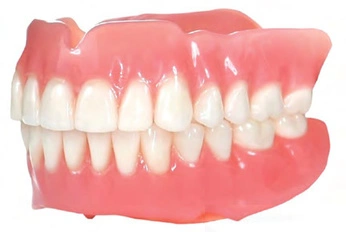
Great implant esthetics can transform a patient’s smile and confidence. However, achieving natural-looking results takes more than placing the implant correctly. It also requires a dental restoration that blends seamlessly with surrounding teeth. That is where a skilled digital dental lab makes all the difference.
At Dentek Digital, we partner with dentists across Phoenix, Scottsdale, Chandler, and Gilbert to deliver implant restorations that look and feel like natural teeth. Furthermore, our CAD/CAM-driven workflow gives us the precision needed to create crowns and custom abutments that match each patient’s unique anatomy.
In this post, we explore the key factors that influence implant esthetics and how a digital lab approach helps you achieve better outcomes for your patients.
Why Implant Esthetics Matter More Than Ever
Today’s dental patients are more informed than ever before. They expect their implant restorations to look completely natural. Therefore, esthetics have become just as important as function when planning implant cases.
A restoration that looks off — even slightly — can undermine patient satisfaction. On the other hand, a beautifully crafted crown that mirrors the surrounding dentition builds trust and earns referrals. Because of this, investing in high-quality lab work pays dividends for your practice long term.
The Role of the Dental Lab in Implant Success
Many dentists focus on the surgical and restorative steps. However, the lab phase is equally critical. The crown, abutment, and emergence profile all work together to create a lifelike result.
A digital dental lab brings advanced tools and expertise to every case. For example, CAD/CAM dentistry allows lab technicians to design restorations with incredible accuracy. As a result, fit, contour, and color can all be optimized before the crown ever leaves the lab.
At Dentek Digital, we were among the earliest adopters of the digital CAD/CAM workflow in the country. That experience gives us a deep understanding of what makes implant restorations truly excel.
Key Factors That Influence Implant Esthetics
Several elements come together to create a natural-looking implant restoration. Additionally, each factor depends on close collaboration between the dentist and the dental lab. Understanding these factors helps you plan better cases from the start.
Shade Matching and Material Selection
Shade matching is one of the most visible aspects of implant esthetics. A crown that does not match the surrounding teeth will stand out immediately. Therefore, accurate shade communication between the dentist and lab is essential.
Material selection also plays a major role. Zirconia, layered porcelain, and hybrid ceramics each have unique optical properties. For example, high-translucency zirconia can mimic the depth and vitality of natural enamel. Meanwhile, the right surface texture and glaze further enhance the lifelike appearance.
Our team works closely with dentists in Mesa and Tempe to ensure shade prescriptions are clear and complete. We also offer guidance on material options that best suit each patient’s esthetic zone and functional needs.
Emergence Profile and Soft Tissue Contouring
The emergence profile describes the shape of the restoration as it exits the gingival tissue. Furthermore, it plays a huge role in how natural the implant looks from all angles. A poorly designed emergence profile can make even a well-shaded crown look artificial.
Custom abutments allow the lab to sculpt an emergence profile that supports healthy soft tissue contours. As a result, the final restoration appears to grow naturally from the gum — just like a real tooth. This detail is especially important in the esthetic zone of the smile.
Digital design tools give our technicians the ability to visualize and refine emergence profiles before fabrication. Therefore, we can anticipate soft tissue behavior and design accordingly.
Symmetry, Proportion, and Occlusion
Natural teeth follow certain principles of proportion and symmetry. Additionally, the implant crown must integrate harmoniously with the patient’s existing dentition. A crown that is even slightly too wide, too long, or too flat will look unnatural.
Occlusion is equally critical. Moreover, an implant that carries too much load can fail over time. Our digital workflow allows us to evaluate occlusal contacts precisely and adjust the restoration before delivery.
We collaborate with dental practices across the Greater Phoenix area — including communities like Gilbert and Scottsdale — to review bite relationships and smile design goals before fabrication begins. That communication leads to restorations that look great and function properly.
How a Digital Workflow Elevates Implant Esthetics
Traditional analog lab processes relied heavily on manual skill and guesswork. However, digital dentistry has changed the game entirely. A fully digital workflow connects the dentist’s chair to the lab with speed, precision, and consistency.
Digital Impressions and Design Accuracy
Digital impressions eliminate the distortion that can occur with traditional impression materials. Furthermore, they capture fine details that contribute to better fitting restorations. That accuracy directly improves esthetics, because a well-fitting crown seats correctly and maintains proper contours.
Once the digital scan arrives at the lab, our technicians use advanced CAD software to design the restoration. They can zoom in, rotate, and refine every surface. As a result, the final product reflects a level of precision that manual methods simply cannot match.
Milling, Printing, and Finishing
After the digital design is approved, the restoration moves into fabrication. Depending on the material, we use high-precision milling machines or advanced 3D printing technology. Next, skilled technicians add final characterization, staining, and glazing by hand.
This combination of digital precision and human craftsmanship is what sets a high-quality lab apart. Moreover, it is what allows us to deliver restorations that consistently meet or exceed esthetic expectations.
Are you ready to explore what a digital workflow can do for your implant cases? Contact Dentek Digital today and let our team help you achieve outstanding results.
Tips for Dentists to Improve Implant Esthetic Outcomes
Better implant esthetics start long before the crown is fabricated. Therefore, a few key habits can make a significant difference in your final results. Consider the following best practices:
- Communicate shade information clearly. Use high-quality photographs in natural lighting and include detailed shade prescriptions with every case.
- Share smile design goals upfront. Send notes on the patient’s preferences, midline position, and any asymmetries you want the lab to address.
- Request a custom abutment when possible. Stock abutments rarely create ideal emergence profiles. A custom-designed abutment gives the lab full control over tissue contouring.
- Plan implant position with restoration in mind. Proper implant positioning gives the lab room to create a natural-looking crown. Compromised positioning limits what even the best lab can achieve.
- Review digital design previews before fabrication. Many digital labs, including Dentek Digital, can share design previews for complex cases. Use that opportunity to request adjustments early.
Additionally, ongoing communication throughout the case helps catch potential issues early. A strong dentist-lab partnership is the foundation of great implant esthetics.
Frequently Asked Questions About Implant Esthetics
What materials produce the best implant esthetics?
High-translucency zirconia and layered porcelain are popular choices for esthetic cases. Moreover, the best material depends on the patient’s tooth color, position, and functional demands. Our team can recommend the right option for each case.
How important is the abutment in achieving natural-looking results?
The abutment is extremely important. Furthermore, a custom abutment allows the lab to shape the emergence profile precisely. This creates the appearance that the crown is growing naturally from the gum tissue.
Can digital design previews be shared before fabrication?
Yes. For complex esthetic cases, we can share digital design previews with the treating dentist. As a result, you can request changes before the restoration is milled or printed. This step reduces remakes and improves outcomes.
How does implant placement affect final esthetics?
Implant position directly limits or enables esthetic possibilities. Therefore, collaboration between the surgeon and restorative dentist during planning is essential. Ideally, the lab is involved early through digital implant planning services.
Does Dentek Digital offer implant planning services?
Yes. In addition to fabricating implant restorations, we offer advanced digital implant planning. This service helps dentists and surgeons place implants in positions that support beautiful, functional restorations from day one.
Partner With Dentek Digital for Superior Implant Restorations
Achieving excellent implant esthetics requires the right team, the right technology, and the right communication. At Dentek Digital, we bring all three to every case we handle. Furthermore, our position as a national leader in digital dentistry means you benefit from years of experience and continuous innovation.
We proudly serve dental practices throughout the Greater Phoenix area, including Scottsdale, Mesa, Chandler, Gilbert, and Tempe. Whether you are restoring a single implant in the esthetic zone or managing a complex full-arch case, our team is ready to help.
Send us a case and experience the Dentek Digital difference. Your patients deserve restorations that look and feel completely natural — and we are here to make that happen.