
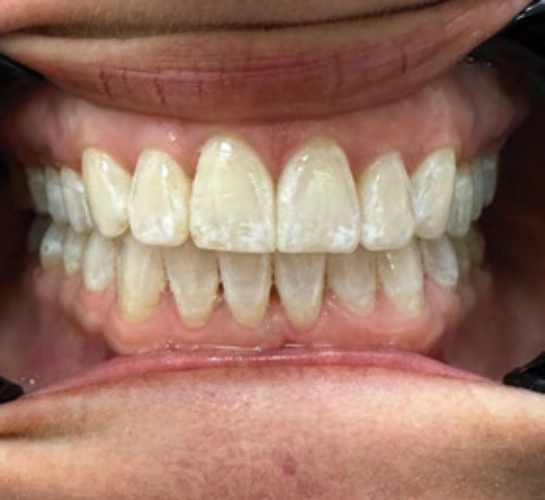
Zirconia has become one of the most trusted materials in modern dental restorations. However, not all zirconia restorations perform equally. The difference often comes down to one critical step: zirconia sintering. Understanding this process helps dentists make smarter choices for their patients.
Sintering is the heat treatment process that transforms soft, preshaded zirconia into a dense, durable restoration. Because of this, it directly determines the final strength, fit, and aesthetics of every crown or bridge. At Dentek Digital, we treat sintering as a science — not an afterthought.
In this post, we break down how sintering works, why it matters, and what dental practices across Phoenix, Mesa, Scottsdale, and Chandler should look for in a dental lab partner.
What Is Zirconia Sintering?
Zirconia starts as a soft, chalk-like puck or block before it is milled. In this pre-sintered state, it is easy to cut and shape using CAD/CAM milling equipment. However, it has very little structural strength at this stage.
Sintering is the process of firing milled zirconia at extremely high temperatures. This heat fuses the crystalline particles together and creates a dense, hard material. As a result, the restoration gains the strength needed to survive years of biting force.
The Role of Temperature in Sintering
Temperature control during sintering is critical. Too low, and the zirconia remains porous and weak. Too high, and grain overgrowth can reduce translucency and affect fit. Therefore, every sintering cycle must follow a precise ramp rate, hold temperature, and cooling schedule.
Most high-quality sintering furnaces follow carefully programmed cycles. Furthermore, the specific zirconia material and desired final properties determine exactly which program to use. At Dentek Digital, we match sintering protocols to each material for consistent, reliable results.
How Zirconia Shrinks During Sintering
One important factor to understand is shrinkage. Zirconia shrinks significantly during sintering — often by a predictable percentage. Because of this, milled restorations must be intentionally oversized before firing.
Our CAD/CAM software calculates and compensates for this shrinkage automatically. As a result, the final restoration fits accurately without secondary adjustments. This precision is one reason digital workflows outperform traditional lab methods.
Why Sintering Directly Impacts Restoration Strength
The mechanical properties of zirconia depend heavily on sintering quality. Proper sintering produces a fine, uniform grain structure throughout the material. This uniformity is what gives zirconia its impressive flexural strength and fracture resistance.
On the other hand, improper sintering leaves voids or inconsistent grain patterns within the material. These weak zones can lead to premature fractures or chipping in the mouth. Moreover, inconsistent sintering makes it harder to predict how a restoration will perform over time.
Monoblock vs. Layered Zirconia: Does Sintering Differ?
Yes — and this distinction matters. Monoblock zirconia restorations rely entirely on sintering for their final color, strength, and translucency. Therefore, the sintering cycle must be dialed in perfectly for the material shade and thickness.
Layered zirconia uses a zirconia substructure with porcelain applied on top. In addition to the initial sintering of the coping, the layered porcelain requires separate firing cycles. Each step must be controlled carefully to avoid internal stress or delamination.
Dentists in Gilbert and Tempe who send cases to Dentek Digital benefit from our expertise across both restoration types. We apply the correct protocol for every case, every time.
Common Sintering Errors and Their Consequences
Even experienced labs can encounter sintering challenges. Understanding common errors helps you ask the right questions when evaluating a lab partner.
- Incorrect ramp rate: Heating too quickly can cause thermal stress and cracking during firing.
- Wrong hold temperature: Underfiring leaves the material porous. Overfiring causes grain growth that weakens the restoration.
- Improper cooling: Rapid cooling can introduce internal stresses that are not visible but reduce long-term durability.
- Furnace calibration issues: A furnace that reads incorrectly produces inconsistent results across batches.
- Material mismatch: Using the wrong sintering profile for a specific zirconia brand leads to unpredictable outcomes.
Furthermore, some labs cut corners by using accelerated sintering cycles to increase throughput. While speed sintering is possible with compatible materials, it requires validation and precision. At Dentek Digital, quality always comes before speed.
The Digital Advantage in Zirconia Sintering
Digital CAD/CAM dentistry workflows have transformed how dental labs approach zirconia fabrication. Modern sintering furnaces integrate with digital case management systems to apply the correct program automatically. This reduces human error and improves consistency across every case.
Additionally, digital records allow labs to track sintering data for every restoration. If a case needs adjustment, the lab can review exactly what parameters were used. This traceability supports accountability and continuous quality improvement.
How Dentek Digital Approaches Sintering
As one of the earliest adopters of the digital CAD/CAM workflow in the country, Dentek Digital has refined our sintering process over many years. We use professionally calibrated sintering furnaces and follow validated protocols for each material we work with.
Moreover, our team stays current with advancements in zirconia materials science. New generations of high-translucency and ultra-high-strength zirconia require updated sintering parameters. We invest in ongoing training and equipment updates to stay ahead of these changes.
Dental practices across the Greater Phoenix area — from Scottsdale to Chandler — trust us to deliver restorations that are accurate, strong, and esthetic. Contact Dentek Digital to explore how our lab can support your practice.
What Dentists Should Ask Their Dental Lab About Sintering
Not every lab approaches sintering with the same level of rigor. Therefore, it is worth asking direct questions when evaluating a dental lab partner. Here are a few good starting points:
- Does the lab use manufacturer-validated sintering programs for each zirconia brand?
- How often are sintering furnaces calibrated and serviced?
- Does the lab offer speed sintering, and if so, how is it validated?
- Can the lab provide case-specific sintering documentation on request?
- How does the lab handle remakes related to material or sintering issues?
These questions reveal a lot about a lab’s commitment to quality. In addition, they open a productive conversation about materials and workflows that benefit your patients long-term.
Sintering and the Broader Zirconia Restoration Workflow
Sintering does not exist in isolation. It is one step within a complete digital fabrication workflow. First, the case is designed using CAD software based on digital impressions or scans. Next, the restoration is milled from a zirconia puck. Then, the milled unit goes through sintering. Finally, finishing, polishing, and glazing complete the restoration.
Each step influences the next. For example, a poorly designed margin will not be corrected by perfect sintering. Similarly, excellent sintering cannot compensate for an inaccurate scan. Because of this, a high-quality result depends on every stage of the workflow being executed with precision.
At Dentek Digital, we control the entire process in-house. This integrated approach means fewer handoffs, less risk of error, and faster turnaround for dentists in Mesa, Tempe, and across the Phoenix metro area.
Frequently Asked Questions About Zirconia Sintering
What is zirconia sintering, and why does it matter?
Zirconia sintering is the high-temperature firing process that transforms milled zirconia into a hard, dense restoration. It matters because it directly determines the final strength, fit, and appearance of the crown or bridge.
How long does zirconia sintering take?
Standard sintering cycles vary by material but typically range from a few hours to longer programs for specific high-strength zirconia types. Some labs use accelerated cycles that are shorter, though these require proper validation to ensure quality.
Can sintering errors cause restorations to fail?
Yes. Improper sintering can result in weak, porous restorations that are prone to fracture. Additionally, poor sintering can affect shade accuracy and cause fit issues that require adjustment or remake.
Does the type of zirconia affect sintering requirements?
Absolutely. Different zirconia formulations — including high-translucency, full-strength, and multilayer varieties — require different sintering protocols. Using the wrong program for a material can compromise results significantly.
How does Dentek Digital ensure sintering quality?
We use calibrated sintering furnaces with validated material-specific programs. Furthermore, our team regularly trains on new materials and protocols. We also track sintering data by case for full traceability and accountability.
Partner With a Lab That Gets Sintering Right
Sintering is one of the most technically demanding steps in zirconia restoration fabrication. However, it is often overlooked when dentists evaluate lab partners. The right lab treats sintering as a precision process — because that is exactly what it is.
At Dentek Digital, we combine advanced CAD/CAM technology with deep materials expertise to deliver zirconia restorations that meet the highest standards. We serve dental practices throughout Greater Phoenix, including Scottsdale, Gilbert, Mesa, Chandler, and Tempe.
Whether you need full-arch zirconia bridges, individual crowns, or implant-supported restorations, our team is ready to support your practice. Send us a case today and experience the Dentek Digital difference.