
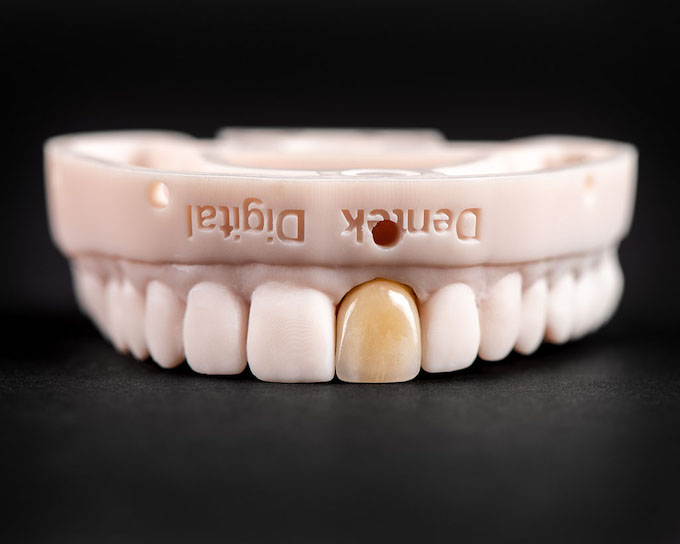
Implant dentistry continues to evolve quickly. As a result, more dental practices are looking for precise, reliable solutions that deliver consistent outcomes. Ti-base implant restorations have become one of the most trusted approaches in modern implant prosthetics. They offer a strong, adaptable connection between the implant fixture and the final crown.
For dental practices in Newport Beach, CA, finding the right lab partner matters. Therefore, working with a digital dental lab that understands CAD/CAM workflows from the ground up is essential. Dentek Digital, based in Phoenix, Arizona, is a national leader in digital dentistry and custom implant restorations.
In this post, we cover everything you need to know about ti-base implant restorations. We also explain how Dentek Digital supports dental practices across the country with precision-crafted, digital solutions.
What Are Ti-Base Implant Restorations?
A ti-base, short for titanium base, is a small titanium component. It connects to the implant fixture below and bonds to a custom crown above. This two-piece design gives clinicians and labs a flexible, efficient way to create implant-supported restorations.
Ti-bases are compatible with a wide range of implant systems. Additionally, they allow the final crown to be fabricated from high-strength materials like zirconia. The result is a restoration that is both aesthetically refined and structurally sound.
How Ti-Base Restorations Differ from Traditional Abutments
Traditional custom abutments are milled as a single piece. Ti-base restorations, on the other hand, separate the metal interface from the crown. This separation allows greater design flexibility. It also reduces material costs without sacrificing quality.
Furthermore, ti-base restorations are easier to adjust digitally. Because the crown is designed separately, labs can refine the emergence profile, contacts, and occlusion with precision. This makes the final restoration more predictable.
Why Ti-Base Restorations Are Growing in Popularity
Dental practices across the country are adopting ti-base workflows. First, they simplify the restorative process. Next, they integrate seamlessly into digital scanning and CAD/CAM design. Finally, they consistently produce excellent aesthetic and functional outcomes.
Moreover, patients benefit from shorter chair time and fewer adjustments. For busy Newport Beach dental practices, that efficiency is a real advantage.
The CAD/CAM Workflow Behind Ti-Base Restorations
The ti-base workflow begins with a precise digital scan. Most modern dental practices use intraoral scanners to capture implant position. The scan file is then sent to the lab for design and fabrication.
At Dentek Digital, we were among the earliest adopters of the CAD/CAM workflow in the country. As a result, our team has refined every step of the ti-base process. We combine advanced software with skilled craftsmanship to deliver restorations that fit right the first time.
From Scan to Finished Restoration
Once we receive the digital scan, our technicians design the crown using specialized CAD software. The design accounts for implant angulation, adjacent teeth, occlusal contacts, and esthetic goals. Then, the crown is milled from the selected material.
After milling, the crown is bonded to the ti-base component using a validated adhesive protocol. Additionally, we inspect each restoration before it ships. Our quality control process ensures accuracy, fit, and finish on every case.
Material Options for Ti-Base Crowns
Zirconia is the most common material used with ti-base restorations. It offers excellent strength, tooth-like opacity, and long-term durability. However, we also work with other high-performance materials depending on the clinical situation.
For anterior cases, highly translucent zirconia provides natural esthetics. For posterior cases, high-strength zirconia handles occlusal forces well. Our team helps practices select the right material for each patient and position.
Why Newport Beach Dental Practices Work with Dentek Digital
Newport Beach dental practices serve a discerning patient base. Their patients expect excellent esthetics and long-lasting results. Therefore, the quality of the restoration matters greatly.
Dentek Digital partners with dental practices across the country. Our Phoenix, Arizona lab is equipped with industry-leading technology. We offer fast turnaround times, consistent quality, and responsive communication — qualities that busy practices depend on.
A Digital Lab Built for Precision
Our lab uses advanced milling equipment, digital scanners, and design software to produce restorations with exceptional accuracy. Because of this, our cases require fewer remakes and fewer adjustments at delivery. That saves time for your team and your patients.
Additionally, our technicians specialize in implant prosthetics. Ti-base restorations require a high level of technical expertise. Our team brings that expertise to every case.
Streamlined Case Submission
Submitting a case to Dentek Digital is straightforward. Practices can send digital files directly through our online portal. We also accept traditional impressions when needed. Either way, our team communicates clearly throughout the process.
Furthermore, we provide detailed case notes and are available to answer questions. Our goal is to make the lab relationship as smooth as possible for every practice we serve.
Ti-Base Restorations Across the Phoenix Region and Beyond
Dentek Digital primarily serves dental practices in the Greater Phoenix, Arizona area. Our local partners span communities like Mesa, Scottsdale, Chandler, and Gilbert. These practices rely on our digital workflows daily to deliver predictable implant results.
However, our capabilities extend well beyond Arizona. We work with practices across the country, including those in Southern California. Our digital infrastructure makes it easy to collaborate remotely without sacrificing quality or communication.
Supporting Practices at Every Level
Whether you place a handful of implants per month or run a high-volume implant practice, Dentek Digital scales to your needs. We support general dentists entering the implant space and experienced implant specialists alike.
In addition, we offer implant planning services for practices looking to streamline their workflow from placement to restoration. This end-to-end support sets Dentek Digital apart from conventional dental labs.
Tips for Getting the Best Results from Ti-Base Restorations
Ti-base restorations perform best when the clinical and lab steps align. Here are some practical tips to maximize outcomes for your patients.
- Use a scan body at the time of impression. Accurate implant position data is the foundation of a well-fitting restoration.
- Provide clear shade information. Include shade tabs, photos, or digital shade readings to guide the lab.
- Communicate angulation concerns early. If implant angulation is challenging, flag it upfront so the lab can design accordingly.
- Confirm implant system compatibility. Ti-bases are system-specific. Always confirm the implant brand and connection type before submitting the case.
- Plan for cement vs. screw retention. The design approach differs depending on the retention method. Decide before the case is designed.
Following these steps leads to more predictable outcomes and fewer back-and-forth exchanges with the lab. As a result, patients receive their restorations faster and with fewer visits.
Frequently Asked Questions About Ti-Base Implant Restorations
What is a ti-base and how does it work?
A ti-base is a small titanium component that connects to the implant fixture. The final crown is bonded to the ti-base outside the mouth and then delivered as a single unit. This design gives labs flexibility and allows for precise crown fabrication.
Are ti-base restorations compatible with all implant systems?
Ti-bases are system-specific. Each ti-base is designed for a particular implant brand and connection type. Therefore, it is important to confirm the exact implant system before ordering a ti-base restoration.
What materials can be used for the crown portion of a ti-base restoration?
Zirconia is the most commonly used material. However, other high-strength ceramics may also be appropriate depending on the clinical case. Your lab can help guide material selection based on the position and esthetic requirements.
How long does it take to receive a ti-base restoration from Dentek Digital?
Turnaround times vary depending on the complexity of the case and the submission method. Digital submissions generally process faster than traditional impressions. Contact our team for current turnaround estimates.
Can Dentek Digital work with practices outside of Arizona?
Yes. While we are based in Phoenix, Arizona and primarily serve the Greater Phoenix area — including Scottsdale, Mesa, Chandler, and Gilbert — we work with practices nationwide. Our digital workflow makes remote collaboration seamless.
Partner with Dentek Digital for Ti-Base Implant Restorations
Ti-base implant restorations represent one of the most refined approaches in modern implant prosthetics. When fabricated with precision, they deliver excellent fit, natural esthetics, and long-term reliability. Dental practices in Newport Beach, CA deserve a lab partner that meets that standard consistently.
Dentek Digital brings together advanced CAD/CAM technology, experienced technicians, and a commitment to quality on every case. Whether you are just beginning to offer implant restorations or looking to elevate your existing workflow, we are here to help.
Ready to get started? Contact Dentek Digital today to discuss your next ti-base case and discover what a true digital lab partnership looks like.