
More patients than ever are asking their dentists about tooth replacement options. Why dental implants consistently rise to the top of that conversation comes down to one simple truth: they work like real teeth. They look natural, feel secure, and support long-term oral health in ways that other options simply cannot match.
Whether you live in Forest Hills, TN or anywhere across the country, the demand for implant-supported restorations is growing fast. Dentists in Phoenix, Mesa, Chandler, and Scottsdale are seeing the same trend. Patients want durable, lifelike solutions — and dental implants deliver exactly that.
At Dentek Digital, we fabricate precision implant restorations for dental practices across the Greater Phoenix, Arizona area. Our digital CAD/CAM workflow means every crown, abutment, and restoration is crafted with exceptional accuracy. In this post, we explore why so many patients are choosing implants — and how a digital dental lab makes all the difference.
What Makes Dental Implants Different?
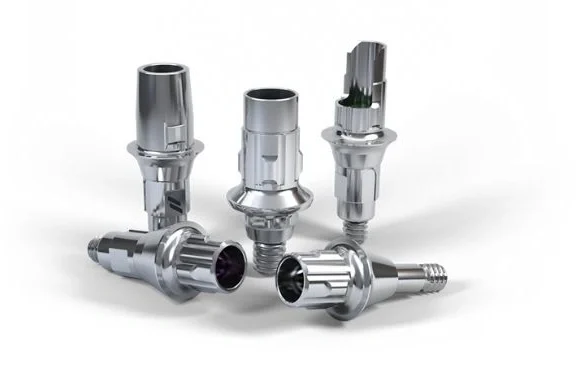
Dental implants are not just a cosmetic upgrade. They are a complete tooth replacement system. Each implant includes a titanium post that is placed into the jawbone, acting as an artificial tooth root. On top of that post, a custom-crafted restoration — usually a crown — is attached.
Because of this design, implants behave more like natural teeth than any other option. They do not slip. They do not require adhesives. Additionally, they preserve the jawbone, which typically begins to deteriorate after tooth loss.
How Implants Compare to Other Options
Traditional dentures and bridges have served patients well for decades. However, they come with real limitations. Dentures can shift during eating or speaking. Bridges require grinding down healthy adjacent teeth to create support.
On the other hand, dental implants stand on their own. They do not depend on neighboring teeth for support. As a result, the surrounding healthy teeth remain fully intact. Furthermore, implants help maintain the natural shape of the face by preventing bone loss.
Why Dental Implants Appeal to So Many Patients
The reasons patients choose implants are both functional and emotional. First, implants restore confidence. Many patients feel self-conscious about missing teeth. A well-crafted implant crown looks virtually identical to a natural tooth.
Next, implants restore function. Patients can eat the foods they enjoy without worrying about their restoration shifting or breaking. Moreover, speech often improves because the restoration fits securely and naturally.
Long-Term Value
Implants typically last much longer than traditional alternatives when properly maintained. Therefore, many patients consider them a smart long-term investment. The upfront cost may be higher, but the durability and quality of life improvements are significant.
Additionally, implants reduce the need for frequent replacement or adjustment. Traditional dentures, for example, often need relining or replacement over time. Implants, by contrast, can remain stable for many years with routine dental care.
Bone Health Benefits
One of the most important — and often overlooked — reasons to choose implants is bone preservation. When a tooth is lost, the underlying jawbone begins to resorb. This can change the shape of your face over time.
Because dental implants mimic a natural tooth root, they stimulate the bone just like natural teeth do. As a result, bone loss is significantly slowed or prevented. This benefit alone sets implants apart from every other tooth replacement option available today.
The Role of Digital Dentistry in Modern Implant Restorations
The quality of an implant restoration depends heavily on how it is designed and fabricated. This is where digital dentistry has completely transformed the field. CAD/CAM technology — computer-aided design and computer-aided manufacturing — allows dental labs to create restorations with extraordinary precision.
At Dentek Digital, we were among the earliest adopters of the digital CAD/CAM workflow in the country. Today, we are recognized as a national leader in digital dentistry. Our lab serves dental practices across Phoenix, Tempe, Gilbert, and the broader Greater Phoenix area.
What CAD/CAM Means for Implant Patients
CAD/CAM technology starts with a digital scan of the patient’s mouth. That scan feeds into specialized software where our skilled technicians design the restoration digitally. Then, the design is milled or 3D-printed from high-quality dental materials.
This process eliminates much of the guesswork involved in traditional lab fabrication. Therefore, the fit is more accurate. Additionally, the aesthetics are more consistent. Patients and dentists benefit from restorations that require fewer adjustments at the seating appointment.
Digital Implant Planning
Beyond fabrication, Dentek Digital also offers advanced digital implant planning services. This means we help dental practices plan implant cases virtually before any surgery takes place. As a result, dentists can place implants more precisely and predictably.
Digital implant planning is especially valuable for complex cases involving multiple missing teeth or compromised bone structure. Furthermore, it improves communication between the surgeon, the restorative dentist, and our lab team — leading to better outcomes for the patient.
How Dental Practices in Phoenix Benefit from a Digital Lab Partnership
Dentists across Chandler, Scottsdale, Mesa, and Tempe trust Dentek Digital to fabricate their implant restorations. Our digital workflow supports faster turnaround times without sacrificing quality. That means fewer delays for patients waiting on their final restorations.
Moreover, our lab technicians bring deep expertise in implant-supported restorations. We work with a wide range of implant systems and restoration types, including single crowns, implant bridges, and full-arch solutions. Additionally, we offer screw-retained and cement-retained options to fit each clinical situation.
A True Lab Partnership
We believe the best outcomes happen when dental labs and dental practices work closely together. Therefore, we make communication a priority. When a dentist sends us a case, we review every detail carefully and reach out if we have questions.
This collaborative approach is especially important with implant cases. Because the margin for error is small, precision and communication matter enormously. Our team is always available to discuss case specifics and help plan the best restoration approach.
What to Expect from the Implant Process
Understanding the implant timeline helps patients feel more comfortable moving forward. The process typically involves several stages spread across a few months. However, the result is well worth the wait.
First, the implant post is surgically placed into the jawbone. Then, a healing period follows during which the implant fuses with the bone — a process called osseointegration. Next, once the implant is stable, the restorative phase begins.
The Restorative Phase
During the restorative phase, the dentist takes impressions or digital scans of the implant site. Those records are then sent to our lab, where we design and fabricate the custom crown or restoration. Finally, the dentist seats the finished restoration and makes any minor adjustments needed.
Because of this step-by-step process, the final restoration fits precisely and looks completely natural. Additionally, the digital workflow we use at Dentek Digital helps reduce the number of appointments needed during this phase.
Frequently Asked Questions About Dental Implants
Are dental implants suitable for most patients?
Most adults with good general health are candidates for dental implants. However, certain conditions — such as uncontrolled diabetes or significant bone loss — may require additional evaluation. A dentist can determine whether a patient is a good candidate during a consultation.
How long do dental implants last?
With proper care and regular dental visits, implants can remain stable for many years. The implant post itself is designed to be a long-term solution. The crown on top may eventually need replacement after extended use, depending on wear.
Does the implant restoration process take a long time?
The full process — from implant placement to final restoration — typically spans several months. The healing phase takes time because the implant must fully fuse with the bone. However, many patients find the timeline manageable and the result well worth it.
What materials are used for implant crowns?
Implant crowns are commonly made from zirconia or porcelain-fused-to-zirconia materials. These materials offer excellent strength, durability, and natural-looking aesthetics. At Dentek Digital, we use high-quality dental materials and precise CAD/CAM milling to ensure outstanding results.
How does a digital dental lab improve implant restorations?
A digital lab uses CAD/CAM technology to design and fabricate restorations with a high degree of accuracy. This improves fit, reduces adjustment time at the patient’s appointment, and produces more consistent aesthetic results. Additionally, digital workflows support faster turnaround times for dental practices.
Partner with Dentek Digital for Implant Restorations
Dental implants represent one of the most meaningful advances in modern restorative dentistry. They restore function, preserve bone health, and give patients back their confidence. For dentists across the Greater Phoenix area, offering implant solutions means partnering with a lab that can deliver exceptional quality consistently.
Dentek Digital combines advanced CAD/CAM technology with skilled craftsmanship to fabricate implant restorations that meet the highest standards. We work with practices in Phoenix, Mesa, Chandler, Gilbert, Scottsdale, and Tempe. Furthermore, our digital implant planning service helps dentists approach complex cases with greater precision and confidence.
If you are ready to elevate your implant offerings, we are here to help. Contact Dentek Digital today to discuss your next implant case and discover how our digital workflow can make a difference for your patients.