
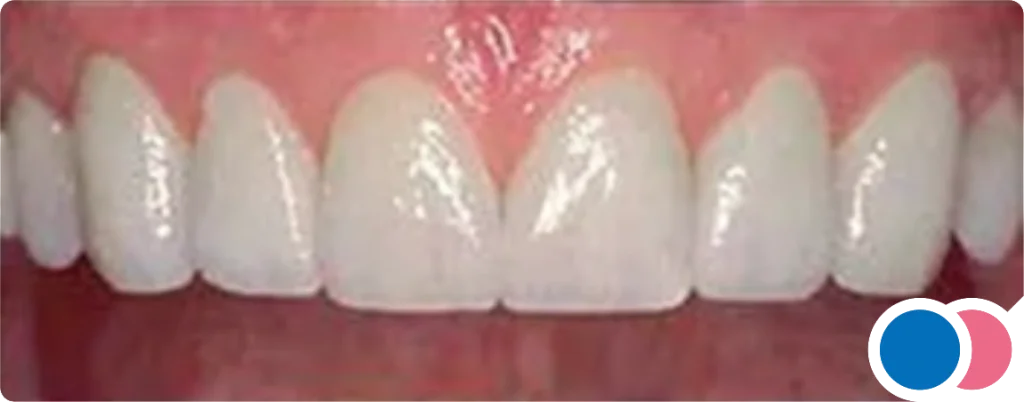
Missing teeth affect far more than your smile. They impact how you eat, speak, and feel about yourself every single day. That is why dental implants have become one of the most sought-after solutions in modern dentistry. Patients across communities like Franklin, TN, and right here in the Greater Phoenix, Arizona area are choosing implants over older alternatives. The reasons are clear, compelling, and backed by decades of clinical experience.
Dental implants do something no other restoration can fully replicate. They replace the entire tooth — root and all. This makes them feel, function, and look remarkably close to a natural tooth. As a result, patients often describe implants as life-changing.
At Dentek Digital, we work with dentists and dental practices across Phoenix, Mesa, Chandler, Scottsdale, and beyond. We fabricate precision implant restorations using advanced CAD/CAM technology. Our goal is simple: support better outcomes for patients by giving dental professionals the highest quality restorations available.
What Makes Dental Implants Different From Other Options
Traditional tooth replacement options include dentures and dental bridges. Both have served patients well for generations. However, neither option replaces the tooth root itself.
Dental implants use a small titanium post surgically placed into the jawbone. This post acts as an artificial root. Over time, the bone fuses with the post through a process called osseointegration. This creates a stable, permanent foundation for the final restoration.
The Three Parts of a Dental Implant
Understanding the structure helps patients and clinicians make informed decisions. A dental implant system has three main components:
- The implant fixture: The titanium post that goes into the jawbone.
- The abutment: A connector that links the post to the final restoration.
- The crown or restoration: The visible tooth-colored piece fabricated by the dental lab.
At Dentek Digital, we focus on the final restoration and the abutment. We use CAD/CAM technology to mill or print these components with exceptional precision. Furthermore, our digital workflow allows us to match the restoration closely to the patient’s natural teeth in shape, size, and shade.
How CAD/CAM Technology Elevates Implant Restorations
CAD/CAM stands for computer-aided design and computer-aided manufacturing. This technology has transformed how dental labs fabricate restorations. Instead of relying solely on hand-crafted methods, we use digital design software and precision milling machines.
The result is a restoration with tight tolerances and consistent quality. Additionally, digital workflows reduce the chance of fit issues that can slow down treatment. Dentists in Gilbert, Tempe, and across the Phoenix metro area rely on our digital process to deliver predictable results to their patients.
Why Dental Implants Are a Long-Term Investment
Many patients initially focus on cost. That is completely understandable. However, implants are best viewed as a long-term investment rather than a short-term expense.
Dentures often require periodic relining or replacement. Bridges may require modification of healthy adjacent teeth. On the other hand, implants are designed to last for many years with proper care and maintenance.
Preserving Jawbone Health
One of the most important benefits of dental implants is bone preservation. When a tooth is lost, the surrounding jawbone begins to resorb or shrink over time. This is because the bone needs stimulation from tooth roots to maintain its density.
Implants provide that stimulation. Therefore, they help preserve the natural shape of the jaw and face. Without an implant, bone loss can lead to a sunken facial appearance and shifting of surrounding teeth.
Stability and Confidence
Patients who switch from dentures to implants often notice an immediate difference in stability. Dentures can slip or shift during eating and speaking. Implants, however, are fixed securely in place.
Because of this, patients feel more confident in social settings. They can eat a wider variety of foods. They also report clearer speech compared to removable alternatives. These quality-of-life improvements are a major reason why dental implants continue to grow in popularity.
The Role of the Dental Lab in Implant Success
The dental lab plays a critical role in the implant restoration process. A skilled clinician handles placement, but the final restoration must meet high standards of fit, function, and aesthetics.
At Dentek Digital, we are proud to be one of the earliest adopters of the full digital CAD/CAM workflow in the country. We were doing this before it became the industry standard. Moreover, our technicians combine that technology with hands-on craftsmanship that only comes from years of experience.
Digital Implant Planning Services
We offer advanced digital implant planning as part of our service offerings. This service helps dentists visualize the final outcome before treatment even begins. It supports better communication between the clinician, the lab, and the patient.
Digital planning reduces surprises. It also allows for more precise implant placement, which directly affects how well the final restoration fits and functions. Dental practices in Scottsdale, Mesa, and Chandler have used this service to streamline complex implant cases.
TattooTH and Advanced Implant Solutions
Dentek Digital also offers TattooTH, an advanced service that adds unique identifier marks to restorations. This is particularly useful for patients with multiple restorations or complex treatment plans. Additionally, it supports patient identification in medical and forensic situations.
These advanced offerings reflect our commitment to innovation. We do not simply keep up with technology — we help lead the way in digital dentistry across Arizona and nationally.
What Dentists Should Know About Sending Implant Cases Digitally
For dental practices considering a digital workflow, the transition to sending cases digitally is more straightforward than many expect. First, the practice needs an intraoral scanner or digital impression system. Then, digital files are sent directly to our lab.
This eliminates the need for physical impressions in many cases. It also speeds up turnaround times. Furthermore, digital files are more consistent and easier to communicate about if adjustments are needed.
Tips for a Smooth Digital Case Submission
Here are a few practical tips for dental offices sending implant cases to a digital lab:
- Capture accurate scan bodies: Make sure the scan body is fully seated before scanning.
- Include shade information: Provide detailed shade notes or a digital shade capture when possible.
- Share the full arch scan: Include opposing arch and bite registration scans for the most accurate fit.
- Communicate preferences clearly: Note any material preferences, occlusion considerations, or aesthetic goals upfront.
- Use the right file format: Confirm your scanner exports a format compatible with our digital workflow.
Our team at Dentek Digital is always available to help practices navigate this process. We work closely with offices across the Greater Phoenix area to make digital case submission simple and efficient.
Frequently Asked Questions About Dental Implants
Are dental implants suitable for most patients?
Most healthy adults are candidates for dental implants. However, factors like bone density, gum health, and certain medical conditions can affect eligibility. A thorough evaluation by the treating dentist is always the first step.
How long does the implant process take?
The timeline varies by patient. The osseointegration phase alone typically takes several months. However, the overall treatment length depends on the individual case, any preparatory procedures needed, and the restoration workflow chosen.
What materials are used for implant crowns?
Zirconia and porcelain-fused-to-metal are among the most commonly used materials for implant crowns. Each has unique advantages. Zirconia, for example, offers excellent aesthetics and durability. Our team helps dentists choose the right material for each case.
Can a dental lab help with full-arch implant cases?
Absolutely. Full-arch implant restorations, such as implant-supported bridges or full-arch prosthetics, are among the most complex cases a dental lab handles. At Dentek Digital, we have the technology and experience to support these cases with precision.
How does digital technology improve implant restorations?
Digital workflows allow for more precise design, better communication between the lab and the clinician, and faster production times. Additionally, digital records make it easier to reproduce or modify restorations in the future if needed.
Partnering With Dentek Digital for Implant Restorations
Dental implants represent some of the most rewarding work in modern dentistry. They restore function, aesthetics, and confidence for patients who have experienced tooth loss. Moreover, they require a level of precision that demands a skilled, technology-forward dental lab partner.
Dentek Digital is that partner. We serve dental practices across Phoenix, Mesa, Tempe, Gilbert, Chandler, Scottsdale, and communities throughout Arizona. Our combination of cutting-edge CAD/CAM technology and expert craftsmanship gives clinicians the confidence to deliver outstanding implant outcomes.
If your practice is ready to elevate its implant restoration process, we would love to connect. Contact Dentek Digital today to send us a case or learn more about our digital implant solutions. Our team is ready to support your next case with the precision and quality your patients deserve.