
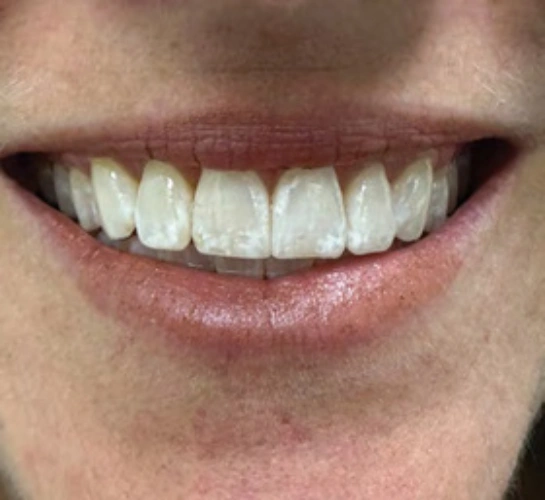
Understanding dental implants cost is one of the first questions patients ask their dentist. Whether you’re in Piney Point Village, TX or working with a dental practice anywhere in the country, implant pricing is rarely simple. Many factors influence the final investment.
Therefore, it helps to break down what actually drives those costs. From the implant components themselves to the final restoration, each step adds to the overall picture. Knowing what to expect makes the conversation with your dentist much easier.
Additionally, the quality of the dental lab behind your restoration plays a major role. Labs that use advanced digital workflows and CAD/CAM technology often deliver more precise, longer-lasting results. That precision matters deeply when it comes to implant restorations.
What Makes Up the Total Dental Implants Cost?
Dental implant treatment involves several distinct components. Each one carries its own cost. Understanding the breakdown helps patients and dentists alike plan more effectively.
Furthermore, not every case is the same. A single-tooth implant differs significantly from a full-arch restoration. The complexity of each case directly impacts the price.
The Implant Fixture
The implant fixture is the titanium post placed into the jawbone. It acts as the artificial tooth root. This is the surgical component placed by the dentist or oral surgeon.
Because this step requires a clinical procedure, it carries professional and surgical fees. The brand and material of the implant also affect pricing. Higher-quality implant systems generally cost more upfront.
The Abutment
The abutment connects the implant fixture to the final crown. It is a small but critical connector piece. Custom abutments, designed using CAD/CAM technology, tend to fit more precisely than prefabricated ones.
As a result, custom abutments often support better gum tissue health around the implant. They also improve the overall appearance of the final restoration. This is an area where digital dental labs add real value.
The Final Restoration
The crown, bridge, or full-arch prosthetic is the visible part of the implant. This is what the patient sees and uses every day. The material chosen — such as zirconia or porcelain — affects both cost and aesthetics.
Moreover, the fabrication method matters. Digital labs using CAD/CAM milling or 3D printing produce highly accurate restorations. This precision reduces the need for remakes and adjustments, which saves time and cost in the long run.
Factors That Influence Dental Implants Cost
No two implant cases are identical. Several clinical and logistical factors push the price up or down. Here are the most common ones dentists and patients should consider.
Number of Implants
A single-tooth replacement costs less than multiple implants. Full-arch solutions like All-on-4 or implant-supported dentures involve more components. However, per-tooth cost often decreases as the number of implants increases.
Bone Grafting and Preparatory Procedures
Some patients need bone grafting before implant placement. This is necessary when the jawbone lacks sufficient density or volume. Bone grafts add time and cost to the overall treatment plan.
Similarly, tooth extractions or sinus lifts may be needed first. These preparatory steps are common and should be factored into the overall budget. Your dentist will evaluate these needs during the planning phase.
Imaging and Digital Planning
Advanced digital implant planning uses cone beam CT scans and 3D software. This technology improves placement accuracy significantly. However, it also adds to the upfront cost of treatment.
In addition, digital planning reduces surgical risk and improves outcomes. Many dental practices now offer this service as a standard part of implant care. The investment in planning often saves money by avoiding complications later.
Geographic Location and Practice Type
Where you receive treatment affects pricing. Urban and suburban areas often have higher overhead costs for dental practices. This can influence what a practice charges for implant services.
On the other hand, practices in areas with more competition may offer more accessible pricing. The type of practice — general dentist versus specialist — also affects fees. Specialists like oral surgeons and periodontists often charge differently than general practitioners.
Dental Lab Quality and Technology
The dental lab that fabricates your restoration is a significant cost driver. Labs using outdated methods may charge less but deliver lower precision. Digital labs using CAD/CAM workflows produce restorations with tighter tolerances and better fit.
Furthermore, a high-quality restoration reduces the likelihood of remakes or early failure. This saves patients and dentists time, frustration, and added expense. Choosing a lab that prioritizes digital precision is a smart long-term decision.
How Digital Dentistry Impacts Implant Restoration Quality
Digital dentistry has transformed how implant restorations are designed and fabricated. CAD/CAM technology allows dental labs to design crowns and abutments with incredible accuracy. This technology is now widely used by leading labs across the country.
For example, at Dentek Digital in Phoenix, Arizona, our team uses advanced CAD/CAM workflows to fabricate implant restorations for dental practices across the Greater Phoenix area. We serve dentists in communities like Scottsdale, Mesa, Tempe, and Chandler. Our digital process supports better fit, function, and aesthetics for every case.
Additionally, digital workflows speed up turnaround times. Dentists receive restorations faster without sacrificing quality. This means patients spend less time waiting for their final implant crown.
CAD/CAM Zirconia for Implant Crowns
Zirconia is one of the most popular materials for implant crowns today. It is strong, biocompatible, and highly aesthetic. CAD/CAM milling allows labs to produce zirconia crowns with exceptional precision.
Moreover, zirconia holds up well under the pressures of daily chewing and biting. It resists staining and blends naturally with surrounding teeth. For these reasons, many dentists and patients prefer zirconia for implant restorations.
Custom Abutments Made with Digital Technology
Custom abutments designed digitally offer a better fit than off-the-shelf options. They are tailored to each patient’s unique anatomy. As a result, they support healthier gum tissue and a more natural appearance.
Digital design also allows for precise angulation and emergence profile. This improves how the crown sits at the gum line. Both function and aesthetics benefit from this level of customization.
What Dentists Should Know About Lab Costs and Implant Cases
Dentists bear a responsibility to offer patients the best possible outcomes. Choosing the right dental lab partner is a key part of that. Lab fees are part of the overall cost equation for any implant case.
However, the lowest lab fee does not always mean the best value. A poorly fitting crown can lead to remakes, patient dissatisfaction, and lost chair time. Investing in a high-quality lab protects the dentist’s reputation and the patient’s outcome.
Therefore, dental practices in Phoenix, Gilbert, Chandler, and the surrounding Arizona communities are choosing labs that prioritize digital precision. The results speak for themselves — better-fitting restorations, fewer remakes, and happier patients.
Partnering with a Digital Lab for Implant Cases
A strong lab partnership streamlines the implant workflow. Labs that offer digital implant planning services add even more value. They can help the team plan cases before surgery for more predictable results.
In addition, labs that specialize in digital restorations stay current with evolving materials and technology. This means dentists always have access to the latest fabrication methods. That ongoing innovation benefits every patient in the practice.
- Faster turnaround: Digital workflows reduce production time significantly.
- Better fit: CAD/CAM precision reduces chairside adjustments.
- More material options: Digital labs offer zirconia, layered ceramic, and hybrid materials.
- Fewer remakes: Accurate design means fewer cases returned for adjustment.
- Consistent quality: Digital processes reduce human variability in fabrication.
Frequently Asked Questions About Dental Implants Cost
Why does dental implants cost vary so much from patient to patient?
Each implant case is unique. Factors like the number of implants, preparatory procedures, and materials all affect the final price. A thorough evaluation by your dentist will give you the clearest picture of expected costs.
Does the dental lab affect how much my implant costs?
Yes, it does. Lab fees are part of what your dentist charges for the restoration. Higher-quality digital labs may charge more but often deliver better results with fewer remakes. This can save money over the life of the restoration.
What materials are typically used for implant crowns?
Zirconia is currently the most popular option. It is strong, aesthetically pleasing, and biocompatible. Porcelain-fused-to-metal and layered ceramics are also used in certain cases depending on the patient’s needs.
How does digital implant planning help reduce overall costs?
Digital planning improves surgical accuracy. This reduces the risk of complications that can add to overall treatment costs. Additionally, precise placement often results in a better-fitting final restoration on the first try.
Can dentists in Phoenix access high-quality digital implant restorations quickly?
Absolutely. Dentek Digital serves dental practices throughout the Greater Phoenix area, including Scottsdale, Tempe, Mesa, and Chandler. Our CAD/CAM workflow allows us to fabricate precise implant restorations with efficient turnaround times.
Partner with Dentek Digital for Precision Implant Restorations
At Dentek Digital, we understand that every implant case matters. We have been a national leader in digital dentistry since the earliest days of CAD/CAM workflows. Our team combines advanced technology with skilled craftsmanship to deliver results dentists and patients can trust.
We serve dental practices across the Greater Phoenix area, including Gilbert, Chandler, Scottsdale, and Tempe. Our implant solutions include custom abutments, zirconia crowns, implant-supported restorations, and full-arch prosthetics. We also offer digital implant planning to help your team achieve more predictable surgical and restorative outcomes.
Finally, we make it easy to work with us. Whether you have a straightforward single-tooth case or a complex full-arch restoration, we are ready to support your practice. Contact Dentek Digital today to send us a case and experience the difference that digital precision makes.