
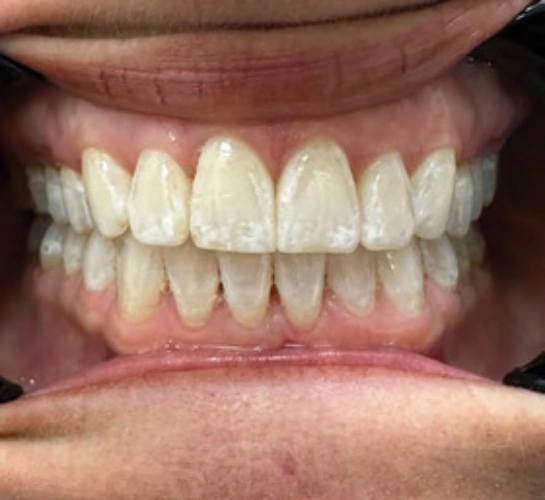
Understanding dental implants cost is one of the first things patients ask about when exploring tooth replacement options. The answer, however, is rarely simple. Many factors influence the final price — and knowing what drives those costs helps patients and dentists make better decisions together.
Whether you are a dentist serving patients in Hunters Creek Village, TX, or a dental practice looking to offer superior implant restorations, the quality of the restoration itself plays a major role in the overall outcome. That is where a trusted digital dental lab makes all the difference.
At Dentek Digital, we fabricate high-quality implant restorations for dental practices across the Greater Phoenix, Arizona area. We also partner with practices nationwide. Our advanced CAD/CAM technology ensures precise, reliable results for every case.
What Factors Influence Dental Implants Cost?
Dental implant pricing is not one-size-fits-all. Several variables combine to determine the final cost. Understanding these factors helps set realistic expectations from the start.
The Number of Implants Needed
A single-tooth implant costs less than multiple implants. Full-arch restorations, such as implant-supported bridges, involve more materials and more planning. Therefore, the total number of implants significantly affects the overall investment.
The Type of Restoration Used
The crown, bridge, or prosthetic attached to the implant also affects cost. For example, a zirconia crown fabricated using CAD/CAM technology may differ in price from a traditional restoration. However, digital restorations often deliver better fit and longer-lasting results. As a result, they can provide stronger long-term value.
Preparatory Procedures
Some patients need bone grafting or sinus lifts before implant placement. These additional procedures add to the total cost. Additionally, extractions, imaging, and surgical guides all factor into the final price.
The Dental Practice and Location
Geographic location affects pricing as well. Practices in larger metropolitan areas may have different fee structures than those in smaller communities. Moreover, the experience level of the implant dentist influences cost. On the other hand, a highly skilled provider with advanced technology may offer better outcomes overall.
Why Restoration Quality Matters for Implant Cost
Many patients focus only on the surgical cost. However, the quality of the restoration placed on the implant is equally important. A poorly fabricated crown can fail prematurely. Because of this, patients may face additional costs down the road.
High-quality digital restorations are designed with precision. CAD/CAM technology allows dental labs to create restorations that fit accurately and look natural. Furthermore, digital workflows reduce the chance of errors that lead to remakes or adjustments.
What Is CAD/CAM Technology?
CAD/CAM stands for Computer-Aided Design and Computer-Aided Manufacturing. In dental labs, this technology uses digital scans to design and mill restorations with exceptional accuracy. As a result, the final crown or bridge fits better and lasts longer. Also, digital workflows speed up turnaround times for dental practices.
How Lab Quality Affects Overall Cost
Dentists who partner with a high-quality digital lab see fewer remakes and adjustments. Therefore, their patients experience smoother outcomes. In addition, better-fitting restorations support healthier gum tissue and bone integration around the implant. Choosing the right lab is not just a quality decision — it is also a cost-efficiency decision.
Dental Implants Cost: Breaking Down the Components
To fully understand dental implants cost, it helps to look at each component separately. Each piece carries its own price, and together they form the total investment.
- Implant fixture: The titanium post surgically placed into the jawbone.
- Abutment: The connector piece that links the implant to the restoration.
- Crown or prosthetic: The visible tooth replacement fabricated by the dental lab.
- Surgical fees: Charges for the placement procedure itself.
- Imaging and planning: 3D scans and surgical guides used for precise placement.
- Preparatory procedures: Bone grafting, extractions, or other pre-surgical work.
Each of these components varies in price. However, skimping on any one of them — especially the restoration — can compromise the final result. Therefore, it pays to invest in quality at every step.
How Digital Implant Planning Reduces Overall Cost
One of the most important advances in modern implantology is digital implant planning. This process uses 3D imaging to map out the exact position of each implant before surgery. As a result, the surgeon places implants more accurately and efficiently.
At Dentek Digital, we offer advanced digital implant planning services. This supports better surgical outcomes and reduces the need for costly corrections. Additionally, precise planning allows for the fabrication of surgical guides that improve implant positioning. For dental practices in the Greater Phoenix area — from Scottsdale to Chandler — this technology elevates the standard of care.
The Role of Surgical Guides
Surgical guides are custom-made devices that direct the drill during implant placement. They are designed from the digital plan and fabricated in the lab. Furthermore, they help ensure implants are placed at the correct angle and depth. This precision supports better restoration fit and long-term stability.
Implant Restoration Options from Dentek Digital
Dentek Digital fabricates a full range of implant restorations for dental practices. Our team uses industry-leading CAD/CAM systems to craft each piece with care and precision. Here is an overview of what we offer.
Single-Unit Implant Crowns
A single implant crown replaces one missing tooth. We fabricate these restorations in zirconia and other high-quality materials. Additionally, our digital workflow ensures an accurate fit from the first placement. Practices in Mesa, Tempe, and Gilbert trust Dentek Digital for reliable single-unit restorations.
Implant-Supported Bridges
Implant-supported bridges replace multiple missing teeth. They are anchored by two or more implants rather than natural teeth. Moreover, these restorations offer greater stability and longevity than traditional bridges. Our CAD/CAM systems design each bridge to match the patient’s bite and esthetics precisely.
Full-Arch Implant Restorations
Full-arch restorations replace an entire row of teeth. Options include implant-supported dentures and fixed full-arch bridges. Furthermore, these cases require careful planning and skilled fabrication. Dentek Digital has extensive experience in complex full-arch cases for practices throughout the Phoenix metro area.
Tips for Dental Practices Managing Implant Costs
For dentists and dental practices, managing implant costs is a real concern. Partnering with the right lab helps keep costs predictable and outcomes consistent. Here are some practical tips to consider.
- Use digital impressions: They reduce errors and improve restoration accuracy.
- Invest in implant planning: Precise planning reduces surgical complications and remakes.
- Choose a reliable lab partner: Consistent quality means fewer costly adjustments.
- Educate patients early: Helping patients understand the full cost breakdown reduces surprise and improves case acceptance.
- Consider phased treatment: Breaking treatment into phases can make it more financially accessible for patients.
Additionally, streamlining the lab workflow with a digital partner like Dentek Digital saves time and reduces overhead. As a result, practices can focus more on patient care and less on logistical challenges.
Frequently Asked Questions About Dental Implants Cost
Why do dental implants cost more than other tooth replacement options?
Dental implants involve surgery, specialized materials, and a multi-step process. However, they also last longer and function more like natural teeth than alternatives. Therefore, many patients and dentists consider them the best long-term value.
Does the dental lab affect the overall cost of implants?
Yes, the lab plays a significant role. Higher-quality labs use premium materials and advanced technology. As a result, their restorations may cost more upfront. However, they tend to require fewer remakes and last longer, which reduces costs over time.
What materials are used for implant crowns?
Zirconia is one of the most popular materials for implant crowns today. It is strong, durable, and esthetically natural-looking. Additionally, other materials such as porcelain-fused-to-metal may be used depending on the clinical situation.
How does digital implant planning affect cost?
Digital implant planning involves 3D imaging and custom surgical guides. These tools increase upfront costs slightly. However, they significantly reduce the risk of placement errors and costly follow-up procedures. In addition, they support more predictable outcomes for patients.
Can dental practices outside of Arizona work with Dentek Digital?
Yes. While Dentek Digital is based in Phoenix and primarily serves the Greater Phoenix area — including communities like Scottsdale, Mesa, Chandler, and Tempe — we also partner with practices across the country. Our digital workflow makes it easy to collaborate remotely with practices anywhere.
Partner with Dentek Digital for Implant Restorations
Dental implants cost is ultimately shaped by many moving parts. However, one of the most impactful decisions a dental practice can make is choosing the right lab partner. High-quality restorations reduce remakes, improve patient outcomes, and build long-term trust.
At Dentek Digital, we combine advanced CAD/CAM technology with skilled craftsmanship. We serve dental practices throughout the Greater Phoenix area, including Mesa, Tempe, Scottsdale, Chandler, and Gilbert. Furthermore, we offer digital implant planning, surgical guides, and a full range of implant prosthetics to support your practice.
Ready to elevate your implant cases? Contact Dentek Digital today to send us a case or discuss how we can support your practice with precision implant restorations.