
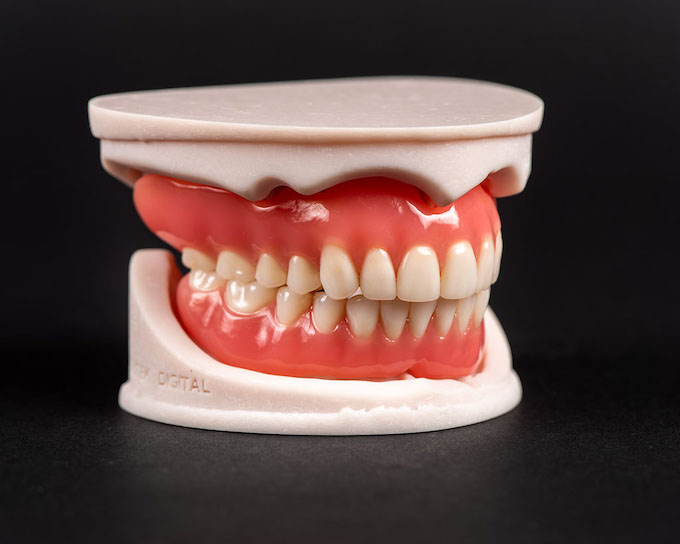
When it comes to implant restorations, the abutment makes all the difference. Zirconia custom abutments have become one of the most sought-after solutions in modern restorative dentistry. They offer exceptional esthetics, strong biocompatibility, and a precise fit that stock abutments simply cannot match. For dental practices looking to elevate their implant outcomes, this technology is worth a close look.
At Dentek Digital, we fabricate high-quality zirconia custom abutments using advanced CAD/CAM technology. Our digital workflow is designed to support dental professionals who demand precision and esthetic excellence. We serve dental practices across the Greater Phoenix area, including communities like Mesa, Scottsdale, Chandler, and Gilbert.
In this post, we break down what zirconia custom abutments are, why they matter, and how our lab can help your practice deliver better implant results for your patients.
What Are Zirconia Custom Abutments?
An abutment is the connector piece that sits between a dental implant fixture and the final crown. Most practices have a choice between stock abutments and custom abutments. Stock abutments are pre-made and come in standard shapes and sizes. Custom abutments, on the other hand, are designed specifically for each patient’s unique anatomy.
Zirconia is a tooth-colored ceramic material known for its strength and natural appearance. Because of this, it is widely preferred in the esthetic zone — the visible front teeth. Unlike metal abutments, zirconia does not produce a gray shadow through thin gum tissue. This results in a more lifelike appearance around the implant restoration.
How CAD/CAM Technology Makes Custom Abutments Possible
CAD/CAM stands for Computer-Aided Design and Computer-Aided Manufacturing. This digital workflow allows dental labs to design and mill restorations with exceptional accuracy. First, a digital scan of the patient’s mouth is captured. Next, our skilled technicians design the abutment digitally to match the specific emergence profile and gingival contours. Then, the abutment is precisely milled from a high-strength zirconia blank.
This process removes the guesswork from abutment fabrication. As a result, dental practices receive a restoration that fits accurately from the start. Additionally, the digital workflow shortens turnaround times compared to traditional methods.
Why Dental Practices Choose Zirconia Over Metal Abutments
Metal abutments have been a reliable standard for many years. However, zirconia custom abutments offer several distinct advantages that make them the preferred choice in many clinical situations.
Superior Esthetics in the Visible Zone
Zirconia is tooth-colored, which means it blends naturally with surrounding teeth and gum tissue. For patients with thin or translucent gingival tissue, a metal abutment can show through as a grayish hue. On the other hand, a zirconia abutment eliminates that concern entirely. Therefore, it is especially valuable in anterior implant cases where esthetics are a top priority.
Excellent Biocompatibility
Biocompatibility refers to how well a material interacts with human tissue. Zirconia is highly biocompatible, meaning gum tissue tends to respond well to it. Moreover, zirconia surfaces attract less plaque compared to some metal surfaces. This supports healthier peri-implant tissue over the long term. Furthermore, patients with metal sensitivities benefit from having a metal-free option available.
Precise Fit with a Custom Design
Every patient’s mouth is unique. Because of this, a one-size-fits-all stock abutment often requires adjustment chairside or fails to support the ideal emergence profile. A custom zirconia abutment is designed to match the specific contours of the patient’s soft tissue and implant position. This precision supports better gingival health and a more natural-looking final result. In addition, it reduces the need for chairside modification, which saves time for the dental team.
The Dentek Digital Workflow for Zirconia Custom Abutments
At Dentek Digital, we have built our reputation on being an early adopter of digital dentistry. We were among the first dental labs in the country to implement a full CAD/CAM workflow. Today, our process is refined, reliable, and built to serve the needs of modern dental practices.
Step 1: Digital Scan Submission
The process starts when your practice sends us a digital scan or impression. We accept files from most major intraoral scanners. Additionally, we work with practices that still use traditional impressions and can help bridge the gap to a fully digital workflow.
Step 2: Custom Abutment Design
Our experienced technicians use advanced CAD software to design the abutment. We carefully consider the implant platform, emergence profile, and the planned crown restoration. As a result, the abutment is designed to support the best possible esthetic and functional outcome.
Step 3: Precision Milling and Finishing
Once the design is approved, we mill the abutment from a high-quality zirconia blank. Our milling equipment operates with a high degree of accuracy. Furthermore, each abutment goes through a quality check before it leaves our lab. We take pride in delivering restorations that meet the high standards our partner practices expect.
Step 4: Delivery and Seating
We deliver the finished abutment and crown ready for seating. Because the design is custom and digitally precise, the fit at the chair is typically smooth and straightforward. This helps keep appointments efficient for both the practice and the patient.
Serving Dental Practices Across Greater Phoenix, Arizona
Dentek Digital is based in Phoenix, Arizona, and we proudly serve dental professionals throughout the surrounding region. Our partner practices are located across communities like Mesa, Scottsdale, Chandler, and Gilbert. However, our digital workflow also allows us to work with dental practices across the country.
Whether you are placing a single anterior implant or restoring multiple sites, our team is equipped to support your case. We combine advanced technology with hands-on craftsmanship to deliver results your patients will notice. Additionally, we offer personalized support so that your team always has someone to call when you have a question.
Practical Tips for Dental Practices Considering Zirconia Custom Abutments
If you are thinking about incorporating zirconia custom abutments into your practice, here are a few things to keep in mind:
- Use digital scans when possible. Digital impressions improve accuracy and speed up the design process significantly.
- Communicate the emergence profile clearly. The more detail you provide about soft tissue levels, the better we can design the abutment to support ideal tissue contours.
- Plan the restoration as a unit. Designing the abutment and crown together leads to better esthetic integration and occlusal harmony.
- Choose the right cases for zirconia. Anterior and premolar implants in the esthetic zone are excellent candidates. Your lab technician can help advise on case selection.
- Communicate your esthetic goals. Share shade information, photos, and any patient preferences so we can design accordingly.
Moreover, maintaining an open line of communication with your lab leads to consistently better outcomes. We encourage our partner practices to reach out early in the planning phase, not just at case submission.
Frequently Asked Questions About Zirconia Custom Abutments
What makes zirconia custom abutments different from stock abutments?
Stock abutments are pre-fabricated in standard shapes. Zirconia custom abutments are designed specifically for each patient’s anatomy and implant position. As a result, they offer a more precise fit, better esthetic outcomes, and improved soft tissue support.
Are zirconia abutments strong enough for posterior cases?
Zirconia is a very strong material. However, for cases with heavy occlusal load in posterior regions, your clinician should evaluate the specific situation. In many cases, zirconia custom abutments perform well in both anterior and posterior positions. Your dental lab can advise based on the case details.
How do I send a case to Dentek Digital?
You can submit your case digitally through our online case submission portal. We accept digital scans from most major intraoral scanners. Additionally, we can work with traditional impressions if needed. Our team will guide you through the process if you are sending a case for the first time.
How long does fabrication take?
Turnaround times vary depending on case complexity. However, our digital workflow is designed to be efficient. We work closely with each practice to meet clinical timelines. Contact our team directly for specific turnaround estimates on your case type.
Can Dentek Digital help practices new to digital implant workflows?
Absolutely. We have helped many practices transition to digital implant workflows. Our team is happy to walk you through the process. Furthermore, we offer guidance on scan submissions, case planning, and selecting the right restoration type for each clinical situation.
Partner with Dentek Digital for Your Next Implant Case
Zirconia custom abutments represent one of the most meaningful advances in implant esthetics and precision. When fabricated with a true digital workflow, they deliver results that both clinicians and patients can appreciate. At Dentek Digital, we bring together advanced CAD/CAM technology and experienced craftsmanship to produce abutments that perform at the highest level.
We are proud to serve dental practices across the Greater Phoenix area, including Mesa, Scottsdale, Chandler, Gilbert, and beyond. Our team is ready to support your next case with the precision and expertise your patients deserve.
Ready to get started? Contact Dentek Digital today to send us your next case or to request a consultation with our team. We look forward to partnering with you.