
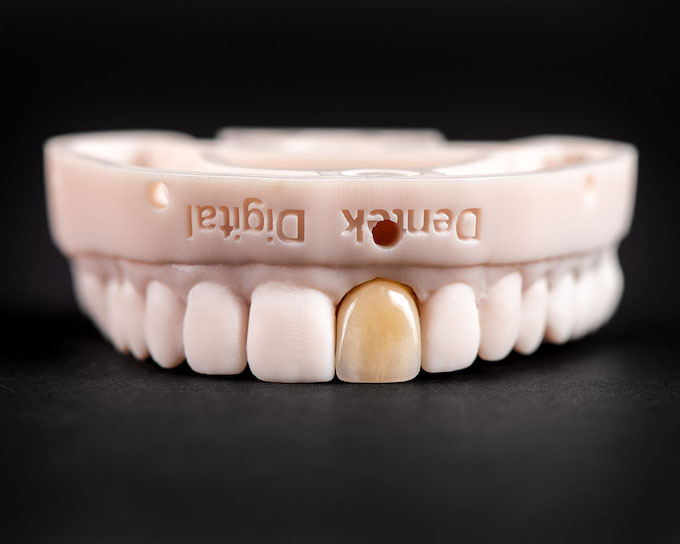
Dental materials have evolved significantly over the decades. However, one material continues to stand above the rest for crown restorations. Zirconia crowns have become the preferred choice for dentists and dental practices across the Greater Phoenix, Arizona area — and for good reason.
Zirconia offers a rare combination of strength, aesthetics, and biocompatibility. Additionally, advances in CAD/CAM technology have made fabricating zirconia restorations faster and more precise than ever before. As a result, both dentists and their patients benefit from better-fitting, longer-lasting crowns.
At Dentek Digital, we work with dental practices throughout Phoenix, Mesa, Scottsdale, Chandler, and Gilbert. We fabricate zirconia restorations using advanced digital workflows. Therefore, we understand exactly why this material continues to lead the industry.
What Makes Zirconia So Durable?
Zirconia is a ceramic material known for its exceptional strength. It can withstand the forces of chewing, grinding, and daily wear far better than older ceramic alternatives. Furthermore, it resists chipping and cracking under pressure.
Traditional porcelain crowns can fracture under heavy biting forces. Zirconia, on the other hand, handles those forces with far greater reliability. This makes it an ideal choice for posterior teeth, which endure the most stress.
Strength That Supports Long-Term Results
Zirconia’s strength comes from its unique crystalline structure. This structure allows the material to flex slightly before breaking — a property known as transformation toughening. Because of this, zirconia crowns are far less likely to fail under normal clinical conditions.
Dentists in high-demand practices across Chandler and Gilbert regularly choose zirconia for this reason. They need restorations that hold up for their patients over time. Zirconia consistently delivers that reliability.
Resistance to Wear and Fracture
Zirconia also resists wear exceptionally well. It does not degrade quickly against opposing teeth. Moreover, it maintains its surface integrity over years of use, which protects the restoration and surrounding dentition.
For patients who grind or clench, zirconia provides an added layer of protection. It absorbs occlusal forces without deteriorating rapidly. Therefore, it remains a top recommendation for patients with bruxism or heavy bite forces.
The Aesthetic Advantages of Zirconia
Early zirconia restorations were often criticized for appearing opaque or overly bright. However, modern zirconia formulations have changed that completely. Today’s high-translucency zirconia closely mimics the natural appearance of tooth enamel.
Dental labs now offer multiple zirconia grades. These range from high-strength monolithic options to ultra-translucent layered versions. As a result, dentists can select the right type for each clinical situation.
Matching Natural Tooth Aesthetics
High-translucency zirconia transmits light in a way that resembles natural enamel. Additionally, it can be shaded to match surrounding teeth precisely. This makes it suitable for anterior restorations where appearance is critical.
At Dentek Digital, our technicians use advanced shade-matching techniques. We work with digital imaging and calibrated shade guides. Therefore, every zirconia crown we fabricate blends naturally with the patient’s existing dentition.
Customization Through CAD/CAM Technology
CAD/CAM dentistry has transformed how zirconia restorations are designed and milled. Digital design software allows for precise contouring, margin placement, and occlusal shaping. Furthermore, milling machines execute those designs with exceptional accuracy.
This level of customization was simply not possible with traditional lab methods. Now, every crown can be digitally crafted to meet the exact specifications of the patient’s anatomy. As a result, fit and function are dramatically improved.
Biocompatibility: A Clinically Important Advantage
Zirconia is highly biocompatible. The human body tolerates it extremely well. Therefore, patients rarely experience tissue irritation or allergic reactions around zirconia restorations.
This is especially important for patients with sensitivities to metal alloys. Unlike metal-ceramic crowns, zirconia contains no metal components. Additionally, it does not corrode or release ions into surrounding tissues over time.
Gum Tissue Health Around Zirconia Crowns
Healthy gingival response is a key clinical goal with any crown restoration. Zirconia promotes positive tissue health at the margin. Moreover, its smooth surface discourages bacterial adhesion compared to some other materials.
Dental practices in Scottsdale and Mesa frequently report excellent soft tissue outcomes around zirconia margins. Patients experience less inflammation and healthier gum contours. Because of this, zirconia supports long-term periodontal health alongside restorative success.
How Digital Fabrication Elevates Zirconia Restorations
The shift to digital dentistry has made zirconia restorations more accessible and more consistent. Digital scanning replaces traditional impressions. Therefore, the data sent to the lab is more accurate from the start.
At Dentek Digital, we were among the earliest adopters of the digital CAD/CAM workflow in the country. We have refined our process over many years. As a result, the restorations we fabricate meet an exceptionally high standard of fit and quality.
Precision Milling for Better Fit
Zirconia crowns are milled from pre-shaded blocks using multi-axis milling machines. These machines follow the digital design file with remarkable precision. Furthermore, the milled crown is then sintered to reach its final strength and translucency.
A well-milled zirconia crown seats accurately with minimal adjustment needed chairside. This saves dentists time and reduces patient discomfort. Additionally, a precise marginal fit supports long-term restoration health and reduces the risk of secondary decay.
Digital Workflows Benefit the Entire Practice
Digital dentistry streamlines communication between the dental practice and the lab. Dentists can send digital scans directly to Dentek Digital. Therefore, turnaround times are faster and case accuracy improves.
Practices across Phoenix and the surrounding communities have embraced this workflow. They appreciate the consistency and efficiency it provides. Moreover, their patients benefit from restorations that fit well from the first appointment.
If you’re ready to streamline your restorative workflow, contact Dentek Digital and let our team support your next zirconia case from scan to delivery.
When to Choose Zirconia: Clinical Considerations
Zirconia is versatile, but it is not the only option. Understanding when to use it helps dentists make the best material choice for each patient. Therefore, a brief overview of common clinical indications is helpful.
Zirconia works especially well in the following situations:
- Posterior crowns requiring high strength and durability
- Anterior crowns where high-translucency zirconia meets aesthetic demands
- Patients with metal allergies or sensitivities who cannot use metal-ceramic options
- Patients with bruxism or heavy occlusal forces that would fracture other materials
- Implant-supported crowns where strength and biocompatibility are both essential
Dentists should always evaluate the full clinical picture before selecting a material. However, zirconia meets the requirements of a very broad range of cases. This flexibility is a major reason for its continued dominance.
Zirconia vs. Other Crown Materials
It is worth comparing zirconia to other common crown materials. This helps highlight where zirconia truly excels. Additionally, it clarifies which cases might warrant a different approach.
Porcelain-Fused-to-Metal (PFM): PFM crowns have been used for decades. However, they can show a dark metal line at the gumline over time. Furthermore, the porcelain layer is prone to chipping under heavy force.
All-Ceramic (Lithium Disilicate): Lithium disilicate offers excellent aesthetics. On the other hand, it is not as strong as zirconia for high-stress posterior regions. It remains a solid choice for certain anterior cases.
Full Metal Crowns: Metal crowns are strong and long-lasting. However, most patients prefer tooth-colored options for visible areas. Additionally, metal sensitivity is a growing concern for some patient populations.
Zirconia strikes the best overall balance across strength, aesthetics, and biocompatibility. Therefore, it remains the most universally recommended crown material in modern restorative dentistry.
Frequently Asked Questions About Zirconia Crowns
Are zirconia crowns strong enough for back teeth?
Yes. Zirconia is among the strongest materials used in crown fabrication. It handles the heavy chewing forces of posterior teeth reliably. Therefore, it is widely recommended for molar and premolar restorations.
Do zirconia crowns look natural?
Modern high-translucency zirconia closely resembles natural tooth enamel. Furthermore, skilled lab technicians can shade and characterize it to match surrounding teeth. Most patients cannot distinguish a well-made zirconia crown from a natural tooth.
How long do zirconia crowns typically last?
Zirconia crowns are known for their long-term durability. With proper care and regular dental visits, they can last for many years. However, outcomes vary based on patient habits and oral health factors.
Can zirconia crowns be used with dental implants?
Yes. Zirconia is a popular choice for implant-supported crowns. It is biocompatible and strong. Additionally, it integrates well aesthetically with implant restorations in both anterior and posterior positions.
How does a digital lab improve zirconia crown quality?
Digital labs use CAD/CAM software and precision milling equipment to design and fabricate zirconia crowns. This process improves fit accuracy and consistency. As a result, dentists spend less time adjusting at the chair and patients enjoy better-fitting restorations.
Partner With Dentek Digital for Your Zirconia Restorations
Zirconia has earned its place as the gold standard in crown dentistry. Its strength, aesthetics, and biocompatibility make it the right choice for a wide range of clinical situations. Furthermore, advances in CAD/CAM technology have made fabricating these restorations more precise and efficient than ever.
At Dentek Digital, we fabricate zirconia crowns for dental practices across Phoenix, Mesa, Scottsdale, Chandler, Gilbert, and the entire Greater Phoenix area. We combine digital precision with expert craftsmanship. Therefore, the restorations we deliver meet the highest standards in the industry.
Our team is ready to support your restorative cases from digital scan to final delivery. We make the process simple, accurate, and reliable for every practice we serve. Explore your options and see how a trusted digital dental lab can elevate your results.