Dentistry has changed dramatically over the past two decades. One of the biggest shifts has been the rise of the digital dental lab. But what exactly does that mean — and why does it matter for your practice?
A fully digital dental laboratory replaces traditional, analog workflows with advanced technology. This includes digital scanning, computer-aided design, and computer-aided manufacturing. The result is faster turnaround times, greater precision, and more consistent restorations.
At Dentek Digital in Phoenix, Arizona, we have embraced this transformation from the very beginning. We were among the earliest adopters of the digital CAD/CAM workflow in the country. In this post, we break down exactly what a fully digital dental lab is and why it matters for dentists across the Greater Phoenix area.
From Analog to Digital: How Dental Labs Have Evolved
Traditional dental labs relied heavily on physical impressions and handcrafted models. Technicians poured plaster casts and manually shaped restorations. This process required significant time, skill, and physical materials.
Digital dental labs work differently. Instead of physical impressions, they use digital scans. These scans feed directly into CAD/CAM software, which designs the restoration on screen. A milling machine or 3D printer then fabricates it with extreme accuracy.
This shift has been gradual but transformative. Today, leading labs operate entirely within a digital ecosystem. Every step — from intake to delivery — is streamlined, trackable, and precise.
What CAD/CAM Technology Actually Does
CAD/CAM dentistry stands for computer-aided design and computer-aided manufacturing. CAD software allows technicians to design restorations in a 3D digital environment. CAM equipment then physically mills or prints those designs from high-quality materials.
This technology reduces human error significantly. Additionally, it allows for tight tolerances that are difficult to achieve by hand. The precision translates directly into better-fitting restorations for patients.
Furthermore, digital files are easy to store, retrieve, and modify. If a case needs an adjustment, the technician can revise the digital model without starting over. This saves both time and materials.
Core Components of a Fully Digital Dental Lab
Not every lab that uses one digital tool is truly a fully digital lab. A complete digital workflow involves several integrated components working together. Here is what sets a fully digital dental lab apart.
Digital Case Intake and File Management
A fully digital lab accepts cases digitally from the start. Dentists send STL files, intraoral scan files, or other digital case data directly to the lab. There is no physical impression material to manage or ship.
Because of this, case intake is faster and cleaner. Digital files arrive instantly and are logged into a case management system. This creates a clear, organized record for every single case.
Moreover, digital intake reduces the risk of damaged impressions in transit. Physical models can warp, crack, or distort during shipping. Digital files, on the other hand, arrive in perfect condition every time.
Advanced CAD Design Software
Once a digital scan is received, skilled technicians use specialized software to design the restoration. They work in a three-dimensional environment that mimics the oral anatomy with remarkable accuracy. Every contour, contact point, and occlusal surface is carefully crafted on screen.
This step requires real expertise. Technology enhances the technician’s skill — it does not replace it. Therefore, the quality of the final restoration depends on both the software and the person using it.
Precision Milling and 3D Printing Equipment
After design, the restoration moves to fabrication. Digital labs use high-speed milling machines to cut restorations from blocks of zirconia, ceramic, or other materials. Some labs also use advanced 3D printers for specific applications.
In addition, the milling process is highly repeatable. Every unit produced from the same digital file will be virtually identical. This level of consistency is extremely difficult to achieve through manual fabrication alone.
What Restorations Can a Digital Dental Lab Produce?
A fully digital dental lab is capable of producing a wide range of dental restorations. At Dentek Digital, we fabricate solutions across several major categories. Each one benefits from the precision and efficiency of our digital workflow.
Fixed Restorations
Fixed restorations include crowns, bridges, veneers, and inlays and onlays. These are among the most common cases a dental lab handles. Digital fabrication allows for exceptional fit, natural aesthetics, and strong long-term performance.
For example, a zirconia crown milled from a precise digital design fits more accurately than one built from a traditional plaster model. Additionally, turnaround times are often shorter. This means patients in Chandler, Gilbert, and Scottsdale get their restorations faster.
Removable Appliances
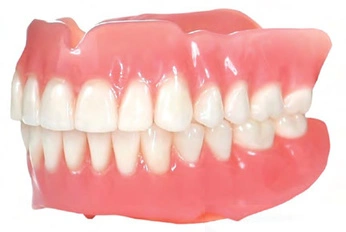
Digital technology also improves the production of removable appliances. Full and partial dentures benefit greatly from digital design. Fit, comfort, and aesthetics can all be optimized before any physical fabrication begins.
Meanwhile, digital records make it easier to produce replacement appliances when needed. The original design file is stored and ready. As a result, remaking a lost or damaged denture becomes a more streamlined process.
Splints and Nightguards
Splints and nightguards require precise occlusal mapping to function properly. Digital design captures the bite relationship with great accuracy. This helps ensure the appliance functions correctly from the first insertion.
Furthermore, digital fabrication produces splints that are highly consistent in thickness and coverage. Traditional methods can introduce variability in these dimensions. However, a milled or printed appliance meets exact specifications every time.
Dental Implant Restorations
Implant restorations demand the highest level of precision. A crown or bridge supported by implants must align perfectly with the implant positions. Digital workflows make this alignment significantly more achievable.
At Dentek Digital, we also offer advanced digital implant planning services. This goes beyond just fabricating the restoration. We help support the planning process itself, giving dentists in Mesa, Tempe, and across the Phoenix metro area a more complete digital partnership.
Advanced Services That Set Digital Labs Apart
A truly cutting-edge digital dental lab offers more than standard restorations. Advanced services separate leading labs from the rest. At Dentek Digital, we invest in emerging technologies to give our partner dentists a real advantage.
TattooTH Technology
One example is TattooTH, an advanced service we offer at Dentek Digital. This innovative technology expands what is possible with digital fabrication. It reflects our commitment to staying at the forefront of what digital dentistry can do.
Digital Implant Planning
Digital implant planning is another service that goes beyond traditional lab work. It involves using digital imaging and planning tools to map the implant placement in advance. This supports better surgical outcomes and more predictable restorations.
Because of this forward-thinking approach, our partner dentists throughout the Greater Phoenix area have access to a truly full-service digital lab. We are not just a fabrication facility. We are a clinical partner in their patient care.
Ready to explore what digital lab services can do for your practice? Contact Dentek Digital today and let us discuss your next case.
Why Phoenix-Area Dentists Choose a Fully Digital Lab
Dentists across the Greater Phoenix area — from Scottsdale to Gilbert to Tempe — are increasingly moving toward digital workflows. They want a lab that can keep pace with their own digital investments. A fully digital dental lab like Dentek Digital is a natural partner for these practices.
First, digital labs deliver greater accuracy. Better-fitting restorations mean fewer remakes and adjustments. This saves chair time for the dentist and improves the patient experience.
Next, turnaround times are often faster with a digital workflow. Cases move through the system efficiently because each step is streamlined. Additionally, communication is clearer because digital files leave no room for interpretation.
Finally, digital labs offer better scalability. As a practice grows, a digital partner can grow with it. There are no physical material constraints slowing down the production pipeline.
How to Know If Your Lab Is Truly Digital
Not every lab that claims to be digital operates a fully integrated workflow. Some labs accept digital scans but still use analog steps downstream. Here are a few questions to ask when evaluating a dental lab.
- Do they accept intraoral scan files directly? A fully digital lab should work seamlessly with your scanner.
- Is the design process entirely CAD-based? Look for labs that design every restoration using specialized software.
- Do they mill or 3D print in-house? On-site fabrication equipment gives the lab more control over quality and timing.
- Do they offer digital implant services? Advanced labs go beyond standard restorations to support complex cases.
- Can they store and retrieve your case files? Digital file management is a hallmark of a truly modern lab.
If a lab checks all of these boxes, you are likely working with a genuinely digital operation. Moreover, a lab that invests in technology tends to invest equally in training and quality control.
Frequently Asked Questions About Digital Dental Labs
What is the difference between a digital dental lab and a traditional dental lab?
A traditional lab uses physical impressions, plaster models, and manual fabrication techniques. A digital dental lab uses digital scans, CAD design software, and milling or printing equipment. The digital approach generally offers greater precision and faster turnaround times.
Can all dental restorations be made using digital technology?
Most common restorations — including crowns, bridges, dentures, splints, and implant components — can be produced digitally. Some complex cases may still benefit from a hybrid approach. However, the range of digitally producible restorations continues to expand as technology advances.
Do I need a special intraoral scanner to work with a digital lab?
Most digital labs, including Dentek Digital, accept files from a wide range of intraoral scanners. Additionally, many labs can work with CBCT data and other digital formats. It is best to confirm compatibility with your specific scanner when you begin a new lab relationship.
How does a digital lab improve restoration fit?
Digital design and milling allow for very tight tolerances in the fabrication process. The software captures fine anatomical detail that manual techniques may miss. As a result, restorations tend to seat more accurately and require fewer adjustments at delivery.
Is a digital dental lab more expensive than a traditional lab?
Costs vary depending on the restoration type and lab. In many cases, digital labs are competitively priced. Furthermore, the reduction in remakes and adjustments can offset any cost differences over time.
Partner With Dentek Digital for Your Digital Lab Needs
Dentek Digital is proud to serve dentists and dental practices throughout Phoenix, Mesa, Chandler, Scottsdale, Tempe, Gilbert, and the broader Greater Phoenix area. As a recognized leader in digital dentistry, we bring together advanced technology and skilled craftsmanship on every case.
Whether you need fixed restorations, removables, splints, implant components, or advanced services like TattooTH and digital implant planning, we are ready to support your practice. Our team combines decades of lab expertise with a forward-thinking digital approach.
We believe that a great dental lab is more than a vendor — it is a true clinical partner. Send us a case and experience the Dentek Digital difference for yourself. We look forward to supporting better outcomes for your patients across the Phoenix metro area.