
Implant compatibility is one of the most important — and often overlooked — factors in a successful implant restoration. When components don’t match precisely, the consequences can range from minor adjustments to complete case failures. Therefore, verifying every element before fabrication is not just best practice. It is essential.
At Dentek Digital, we work with dentists and dental practices across Phoenix, Mesa, Scottsdale, and the surrounding Greater Phoenix area. We see firsthand how verification protocols protect patients and practices alike. Additionally, a strong verification workflow saves valuable time for everyone involved.
This post walks through the key steps, common pitfalls, and practical strategies for ensuring implant component compatibility on every case. Whether you are new to implant prosthetics or refining your existing workflow, there is something here for you.
Why Implant Component Compatibility Matters
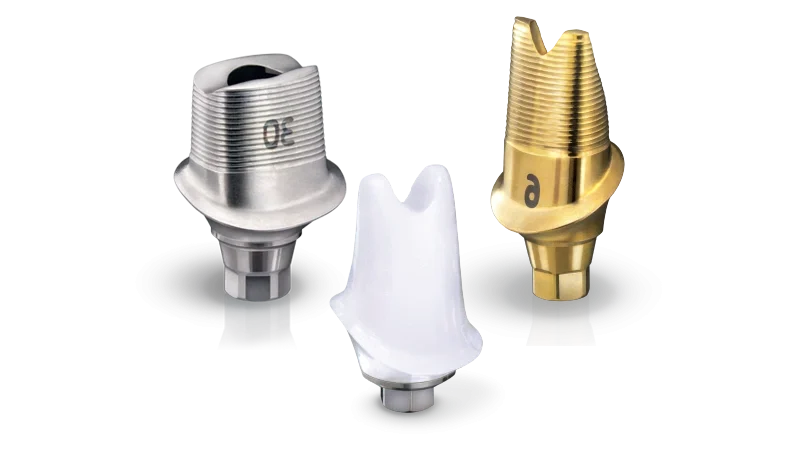
Dental implant restorations involve multiple components from different manufacturers. Each piece must work together precisely. For example, an abutment designed for one implant system will not fit correctly on another — even if it looks similar.
However, the differences between systems are not always obvious. Thread pitch, platform diameter, connection geometry, and torque specifications can vary significantly. Because of this, even experienced clinicians can encounter compatibility challenges.
Mismatched components can lead to micro-movement at the implant-abutment interface. This micro-movement causes bone stress, screw loosening, and long-term restoration failure. Therefore, confirming compatibility is not optional. It is a clinical responsibility.
The Role of the Dental Lab in Verification
A skilled digital dental lab is your first line of defense. At Dentek Digital, our technicians review every case submission for component accuracy. We cross-reference the implant system, platform, and connection type before any design work begins.
Moreover, our CAD/CAM workflow uses digital libraries from verified implant manufacturers. This means our digital designs are built around exact, confirmed specifications — not approximations. As a result, the restorations we fabricate are engineered to fit from the start.
If you are sending cases from practices in Chandler, Gilbert, or Tempe, our team is ready to support your implant workflow with the same rigorous attention to detail we apply to every case.
Key Components to Verify Before Fabrication
Before a restoration enters the design phase, several components require verification. Skipping even one can compromise the entire case. First, let’s walk through the most critical elements.
Implant System and Manufacturer
The implant system and manufacturer must be clearly identified before anything else. Different manufacturers use proprietary connection geometries. Therefore, using a generic abutment with a branded implant — or vice versa — creates fit and function risks.
Always document the implant brand, system name, and any relevant product codes. Also, confirm whether the implant is a newer or legacy model. Manufacturers occasionally update their connection specifications between product generations.
Platform and Connection Type
Platform size and connection type are equally critical. Internal hex, external hex, conical, and tri-lobe connections all have different engagement profiles. For example, a conical connection designed for a specific implant brand will not seat correctly on an external hex implant of the same platform diameter.
Furthermore, platform switching — where a narrower abutment is used on a wider implant platform — is a deliberate clinical technique. However, it must be planned intentionally, not result from a mismatch. Confirm these details with your lab before proceeding.
Scan Body and Digital Scan Accuracy
In digital workflows, the scan body plays a critical role. The scan body tells the CAD software where the implant is positioned and how it is oriented in the arch. Additionally, it communicates the implant system and connection type to the design software.
Using the wrong scan body — or a poorly seated one — produces inaccurate data. As a result, the digital restoration will not fit as intended, even if the design looks correct on screen. Always use the scan body specified for your implant system, and verify seating before scanning.
Our team at Dentek Digital works with scan data every day. We can flag potential scan body inconsistencies during our case review process. Contact Dentek Digital to discuss your digital implant workflow and make sure your scan data is set up for success from the start.
Common Compatibility Errors and How to Avoid Them
Even careful clinicians encounter compatibility errors. Knowing where these errors typically occur helps you prevent them. Moreover, understanding the root causes leads to better systems and habits across your practice.
Outdated Case Forms and System Libraries
One of the most common sources of error is outdated information. Implant manufacturers release new systems and retire older ones regularly. Therefore, case forms that list system names without specific product codes can create confusion.
Use current, specific product names and codes when submitting cases. Additionally, ask your lab to confirm they have an up-to-date digital library for your implant system. At Dentek Digital, we maintain current manufacturer libraries as part of our standard digital workflow.
Analog vs. Digital Impressions
Analog impressions and digital scans each have compatibility considerations. For analog cases, the impression coping must match the implant system exactly. For digital cases, the scan body must be system-specific and properly seated.
Furthermore, mixing analog and digital elements in the same case — such as using a digital scan with an analog transfer component — introduces additional variables. Keep your workflow consistent, and document every component used. This makes verification faster and more reliable for your lab team.
Multi-Unit Abutment Cases
Multi-unit abutment cases add another layer of complexity. In implant-supported full-arch restorations, each abutment position must be individually verified. For example, angulation, platform height, and connection type may differ at each site.
Additionally, the prosthetic interface — whether a titanium bar, hybrid denture framework, or screw-retained bridge — must be designed around confirmed abutment specifications. Because of this, multi-unit cases benefit greatly from close communication between the clinician and the lab before the case begins.
Best Practices for a Compatibility Verification Workflow
Building a consistent verification workflow protects both your patients and your practice. The following practices reflect what works well in high-volume implant practices across the Phoenix area, including communities like Scottsdale, Mesa, and Gilbert.
- Use a standardized case submission form that includes implant brand, system, platform size, connection type, and scan body or impression coping model number.
- Photograph the scan body or impression coping in place before and during the impression or scan. This gives your lab a visual reference.
- Confirm system details with your implant representative if you are placing a system you do not use frequently.
- Communicate early with your lab if you are unsure about any component. A quick verification call before the scan saves significant time later.
- Review digital design files before approving them for milling. The design phase is your last opportunity to catch compatibility issues before fabrication begins.
In addition, consider reviewing your team’s documentation habits periodically. Front office staff, clinical assistants, and lab coordinators all play a role in accurate case information. Therefore, consistent training across your team supports better implant outcomes.
How CAD/CAM Technology Supports Compatibility Verification
CAD/CAM dentistry has transformed how dental labs design and fabricate implant restorations. Digital workflows make it easier to verify component compatibility at every stage of the process. Moreover, they create a documented record that supports quality control and case review.
At Dentek Digital, we were among the earliest adopters of the digital CAD/CAM workflow in the country. Our design software integrates directly with verified implant manufacturer libraries. This means every virtual abutment and restoration is built to the manufacturer’s exact specifications.
Furthermore, digital files can be reviewed, adjusted, and approved before any material is cut. This design approval step is one of the most powerful compatibility safeguards available in modern dental lab work. As a result, our clients across Phoenix and the Greater Arizona area benefit from fewer remakes and stronger first-time fit rates.
Digital Implant Planning as a Compatibility Tool
Dentek Digital also offers advanced digital implant planning services. These services allow clinicians to plan implant placement virtually — before the patient is in the chair. Therefore, prosthetic-driven placement decisions are made with the final restoration in mind from the beginning.
When the implant is placed according to a digital plan, the prosthetic components are already selected and verified. This approach dramatically reduces compatibility surprises at the restoration stage. Additionally, it supports better esthetic and functional outcomes for patients throughout Tempe, Chandler, and the broader Phoenix metro area.
Frequently Asked Questions About Implant Component Compatibility
What information should I include when submitting an implant case to my lab?
Always include the implant brand, system name, platform size, connection type, and the specific model number of the scan body or impression coping used. Additionally, include any relevant clinical notes, such as angulation corrections or platform switching intentions. The more detail you provide, the faster and more accurately your lab can verify compatibility.
Can I use a universal or generic abutment with any implant?
Not always. Some universal components are designed to work across specific groups of implant systems. However, they are not truly universal. Always confirm with the abutment manufacturer and your lab that the component is verified for your specific implant system before using it.
What happens if a compatibility issue is found after fabrication?
If a compatibility issue is identified after a restoration is fabricated, the case typically requires redesign and remilling. Therefore, it is far more efficient to verify compatibility before fabrication begins. A good lab will flag potential issues during case review, which is why early communication is so valuable.
How does digital scanning reduce compatibility errors?
Digital scanning with system-specific scan bodies captures precise implant position and orientation data. This data feeds directly into the CAD design software, which uses verified manufacturer libraries. As a result, the design is built around confirmed specifications rather than estimated measurements.
Does Dentek Digital support multiple implant systems?
Yes. Dentek Digital works with a wide range of implant systems and maintains current digital libraries for the systems our clients use most. Moreover, we are happy to discuss your specific system during case setup to ensure compatibility from the start. Reach out to our team to explore your options and confirm we support your implant platform.
Partner With a Lab That Prioritizes Precision
Implant compatibility is not a detail you can afford to leave to chance. Every component in the restoration chain — from the implant fixture to the final crown — must be verified before fabrication begins. Therefore, your relationship with your dental lab is one of the most important tools you have for protecting your patients and your practice.
At Dentek Digital, we combine the most advanced CAD/CAM technology available with experienced technicians who understand the complexity of implant prosthetics. We serve dental practices across Phoenix, Scottsdale, Mesa, Tempe, Chandler, Gilbert, and communities throughout Greater Arizona. Furthermore, we are proud to be recognized as a national leader in digital dentistry.
Ready to strengthen your implant workflow? Contact Dentek Digital today to send us a case or speak with our team about your implant compatibility questions. We are here to help you deliver the precise, reliable restorations your patients deserve.