
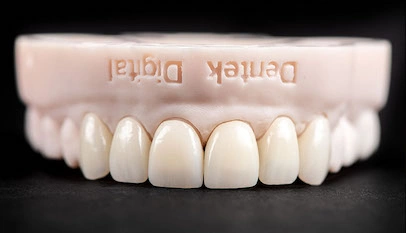
Digital dentistry has changed the way dental labs design and fabricate restorations. One of the most important — yet often overlooked — components of that process is tooth libraries. These digital databases of tooth shapes and sizes are the foundation of accurate, consistent CAD/CAM design. Understanding how they work can help you appreciate the precision behind every crown, bridge, and implant restoration your lab delivers.
At Dentek Digital, we use advanced tooth libraries every day to craft restorations for dentists across the Greater Phoenix area. Whether you serve patients in Scottsdale, Chandler, Mesa, or Gilbert, the quality of your restorations starts long before any material is milled. It starts in the digital design phase — and tooth libraries play a central role.
In this post, we break down what tooth libraries are, how they work, and why they matter for your dental practice and your patients.
What Are Tooth Libraries in CAD/CAM Dentistry?
A tooth library is a digital collection of pre-designed tooth shapes. In CAD/CAM dentistry, technicians use these libraries as starting templates when designing a restoration. Each library contains hundreds — sometimes thousands — of individual tooth morphologies. These include various sizes, arch positions, and anatomical variations for each tooth type.
Think of a tooth library like a catalog. A technician selects the closest matching tooth shape, then customizes it to fit the patient’s unique anatomy. This approach saves time and improves consistency. Additionally, it gives technicians a strong, proven starting point rather than designing every restoration from scratch.
How Tooth Libraries Are Organized
Most tooth libraries are organized by arch position. For example, they separate upper and lower teeth, anterior and posterior regions, and individual tooth numbers. Furthermore, many libraries categorize shapes by patient demographics, such as age-related wear patterns or gender-specific morphology.
Some libraries are manufacturer-specific. Others are designed to work across multiple CAD software platforms. Therefore, the choice of library often depends on the lab’s software ecosystem and the types of restorations it produces most frequently.
Where Tooth Library Data Comes From
Tooth library data typically comes from large-scale studies of natural dentition. Researchers and dental engineers scan thousands of real teeth to build these datasets. As a result, the shapes in a well-built library reflect actual human anatomy — not idealized or arbitrary forms.
Some libraries also incorporate clinical feedback from experienced technicians and dentists. This means the shapes are refined over time based on real-world outcomes. Moreover, premium libraries are updated regularly as new anatomical data becomes available.
Why Tooth Libraries Matter for Restoration Quality
The quality of a tooth library directly influences the quality of the final restoration. A library with detailed, accurate tooth forms gives technicians a better foundation to work from. On the other hand, a poorly built library leads to restorations that require more manual correction — and that can compromise fit and esthetics.
At Dentek Digital, we carefully select our tooth libraries based on their accuracy and versatility. We work with libraries that reflect natural occlusal anatomy. Because of this, our restorations tend to seat well and function comfortably for patients.
Accuracy in Occlusal Design
Occlusal design is one of the most critical aspects of any restoration. A well-designed occlusal surface distributes bite forces evenly. However, getting occlusion right requires more than skilled design — it requires accurate starting data.
Tooth libraries provide that data. They give technicians pre-built cusp heights, fossa depths, and ridge anatomy that are biologically appropriate. From there, the technician refines the design based on the patient’s opposing dentition and bite registration. This workflow produces restorations that function naturally and last longer.
Esthetic Consistency Across Cases
Esthetics are equally important in anterior restorations. Patients and dentists alike want natural-looking results. Tooth libraries help achieve this by offering a range of tooth forms — from square to tapered to ovoid — that match real patient anatomy.
For example, a technician designing a lateral incisor crown for a patient in Tempe can select a library tooth form that closely matches the patient’s natural contralateral tooth. Then, they refine the shape digitally until it blends seamlessly with the rest of the smile. As a result, the final restoration looks like it belongs — not like a generic replacement.
Types of Tooth Libraries Used in Digital Dental Labs
Not all tooth libraries are the same. Different libraries serve different purposes, and experienced labs often use several across their workflow. Understanding the main types helps explain why digital labs invest so heavily in this technology.
Generic Anatomical Libraries
Generic anatomical libraries contain a broad range of tooth forms based on standard human dentition. They are versatile and work well for most posterior and anterior restorations. Additionally, they are typically compatible with a wide range of CAD software platforms.
These libraries are a strong choice for everyday crown and bridge work. They provide reliable starting points that experienced technicians can quickly customize. Furthermore, they are regularly updated as dental science evolves.
Brand-Specific and System-Specific Libraries
Some libraries are built specifically for certain implant systems or prosthetic components. For instance, implant-supported crowns require tooth forms that account for the screw channel position and abutment emergence profile. Therefore, implant-specific libraries include shapes that accommodate these unique design requirements.
At Dentek Digital, we handle a full range of implant restorations. We use system-matched libraries to ensure our designs align properly with each manufacturer’s implant platform. This precision is essential for achieving proper emergence, occlusion, and long-term stability.
Phonetic and Functional Libraries
Some advanced libraries focus on functional and phonetic outcomes. These are especially useful in full-arch cases or complex rehabilitations. They are designed to support proper speech patterns and efficient chewing function — not just appearance.
In full-arch implant cases, for example, the position and form of each tooth must work together as a system. Because of this, functional libraries offer pre-validated setups that have been tested for real-world performance. This reduces trial and error in complex cases significantly.
How Dentek Digital Uses Tooth Libraries in the CAD Workflow
Our design process begins the moment we receive a digital scan or impression file from your practice. First, our technicians analyze the opposing arch, bite relationship, and adjacent teeth. Next, they select the most appropriate tooth library and tooth form for the specific case.
From there, the design is refined in our CAD software. We adjust the shape, contour, and occlusal anatomy to match the patient’s unique situation. Then, the final design goes through a quality review before milling or printing begins. This structured workflow ensures every restoration meets our high standards — whether it is a single crown or a multi-unit bridge.
Integration with Digital Scanning
Tooth libraries work best when paired with high-quality digital scans. Accurate scan data gives the CAD software precise information about the preparation, adjacent teeth, and opposing arch. As a result, the library tooth form can be positioned and adapted with much greater accuracy.
We encourage our partner practices throughout Greater Phoenix — including those in Mesa, Gilbert, Scottsdale, and Chandler — to submit clean, complete digital scans. The better the scan, the better the design. And a better design means better outcomes for your patients.
Customization Beyond the Library
Tooth libraries are a starting point — not a finished product. Our technicians bring years of skill and artistic judgment to every case. They use the library as a scaffold, then shape the restoration to reflect the patient’s individual anatomy, age, and esthetic goals.
This combination of technology and craftsmanship is what sets Dentek Digital apart. We leverage the best digital tools available, and we apply experienced human judgment at every step. Contact Dentek Digital to send us your next case and experience the difference firsthand.
Frequently Asked Questions About Tooth Libraries
What is a tooth library in dental CAD software?
A tooth library is a digital database of pre-designed tooth shapes used in CAD software to create dental restorations. Technicians select a tooth form, then customize it to fit the patient’s specific anatomy and bite.
Do all dental labs use tooth libraries?
Most modern digital dental labs use tooth libraries as part of their CAD workflow. However, the quality and variety of libraries used can vary significantly between labs. Advanced labs like Dentek Digital invest in premium, regularly updated libraries for superior results.
Can a tooth library affect how well a crown fits?
Yes. The accuracy of the tooth form selected from a library affects the starting point for the entire design. A more anatomically accurate library leads to better initial fit and requires less correction. Furthermore, it supports better occlusal harmony and patient comfort.
Are tooth libraries different for implant cases?
Yes. Implant restorations require specialized tooth forms that account for screw channels, abutment profiles, and emergence angles. Therefore, most digital labs use implant-specific libraries for these cases rather than standard anatomical libraries.
How does Dentek Digital choose which tooth library to use?
We evaluate each case individually. We consider the restoration type, arch position, implant system (if applicable), and esthetic goals. Additionally, we factor in the patient’s existing dentition to select the closest matching tooth form as a starting point.
Partner with a Digital Lab That Gets the Details Right
Tooth libraries may seem like a technical back-end detail. However, they have a real impact on every restoration you deliver to your patients. From occlusal accuracy to esthetic harmony, the right library — used by skilled hands — makes a measurable difference in outcomes.
Dentek Digital has been at the forefront of digital dentistry in Arizona from the beginning. We combine cutting-edge CAD/CAM technology with deep clinical knowledge to serve dental practices across Greater Phoenix and beyond. Whether your practice is in Scottsdale, Tempe, Chandler, or anywhere in between, we are ready to support your patients with the highest quality restorations available.
Ready to elevate your restorations? Explore your options and send us a case today. Our team is here to help you deliver results your patients will notice.