
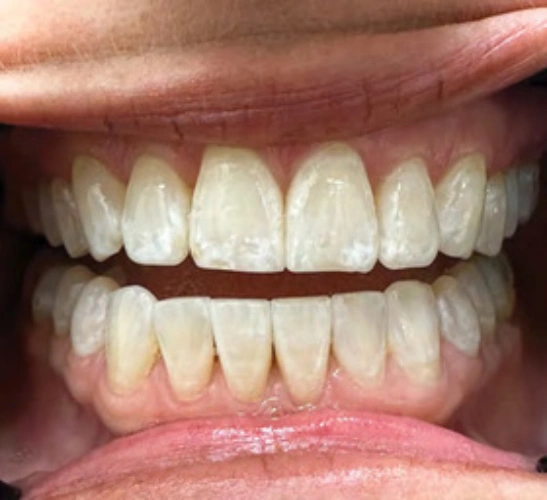
When patients search for trusted dental implants, they want more than a confident smile. They want restorations that fit precisely, look natural, and last. Behind every successful implant case is a skilled dental team — and an equally skilled dental lab.
At Dentek Digital, we support dentists and dental practices across the Greater Phoenix, Arizona area. We fabricate high-quality implant restorations using advanced CAD/CAM technology. Our digital workflow helps clinicians deliver reliable results for their patients, case after case.
In this post, we explore what goes into trusted implant solutions. We also explain how a digital dental lab plays a critical role in that process. Whether you practice in Scottsdale, Chandler, Mesa, or Gilbert, this guide is for you.
What Makes a Dental Implant Restoration Truly Trustworthy?
Not all implant restorations are created equal. Therefore, it helps to understand what separates a great result from a problematic one. The answer almost always comes down to precision, materials, and collaboration.
A trusted implant restoration must fit perfectly at the implant interface. Even small inaccuracies can cause complications over time. Because of this, the lab’s role in the process is just as important as the surgical phase.
Precision Fit at the Implant Level
The implant-to-restoration connection is called the implant interface. This connection must be exact. A poor fit can lead to micro-movement, bone loss, and restoration failure.
At Dentek Digital, we use digital scanning and CAD/CAM dentistry workflows to engineer restorations with exceptional accuracy. Additionally, our milling and design technology eliminates much of the human error found in traditional lab methods. The result is a crown, bridge, or full-arch restoration that seats predictably and functions reliably.
Material Selection Matters
Furthermore, material choice plays a major role in implant restoration success. We work with high-performance materials including zirconia, PFM, and titanium frameworks. Each material has specific advantages depending on the case.
For example, zirconia is often preferred for its strength and natural appearance. On the other hand, titanium frameworks may be ideal for full-arch implant cases. We help dentists choose the right material for each clinical situation.
The Digital Workflow Advantage for Implant Cases
Traditional dental labs rely heavily on physical impressions and handcrafted models. However, digital labs like Dentek Digital have moved well beyond that approach. Our digital-first workflow produces more consistent, accurate outcomes across the board.
We were among the earliest adopters of the digital CAD/CAM workflow in the country. As a result, we have refined our processes over many years of real-world casework. That experience translates directly into better restorations for your patients.
Digital Implant Planning
One of our most powerful advanced services is digital implant planning. This process uses 3D imaging and software to map out implant placement before surgery. Therefore, the restorative phase becomes far more predictable.
Digital planning helps dentists visualize the final restoration before a single incision is made. Moreover, it allows for prosthetically driven implant placement. This means the implant is positioned to support the ideal crown or bridge, not the other way around.
Dental practices in Mesa and Tempe are increasingly requesting this service. In addition, clinicians in Scottsdale and Gilbert find it especially useful for complex full-arch cases. We make the process straightforward and collaborative from start to finish.
Scanning and Design
Next, our design team receives the digital scan and creates the restoration in CAD software. We review anatomy, occlusion, and marginal fit in detail. Then, we mill the restoration from a high-quality blank material.
This process eliminates many of the variables that affect traditional lab work. Meanwhile, our technicians apply their skilled craftsmanship to finishing and characterization. The combination of technology and artistry is what sets Dentek Digital apart.
Ready to streamline your implant cases? Contact Dentek Digital to get started with our digital implant workflow today.
Types of Implant Restorations We Fabricate
Dentek Digital fabricates a wide range of implant-supported restorations. Additionally, we support both single-unit and full-arch implant cases with equal precision. Here is a quick overview of what we offer.
- Single-Unit Implant Crowns: Screw-retained or cement-retained options in zirconia or PFM.
- Implant-Supported Bridges: Multi-unit restorations designed for long-term function and aesthetics.
- Full-Arch Implant Restorations: Including All-on-X frameworks in titanium or zirconia.
- Custom Abutments: Fabricated to optimize emergence profile and soft tissue response.
- Implant Bars and Overdentures: For patients who need removable implant-supported solutions.
Furthermore, our team works with a wide range of implant systems and scan body protocols. We stay current with major implant brands so your workflow stays seamless. If you have a specific system in mind, we can accommodate it.
How Dentek Digital Supports Arizona Dental Practices
We serve dentists throughout the Greater Phoenix area, including communities like Chandler, Gilbert, Tempe, Mesa, and Scottsdale. Our goal is to be a true lab partner, not just a vendor. Therefore, we invest in communication, turnaround efficiency, and clinical collaboration.
Many practices tell us that switching to a digital lab changed how they approach complex cases. Because of this, they can offer patients more predictable timelines and better-fitting restorations. We are proud to support that kind of clinical confidence.
TattooTH Custom Shading
In addition to our standard services, we offer TattooTH — our advanced custom shading technology. This service allows us to match even the most complex tooth shades with remarkable accuracy. As a result, implant crowns blend naturally with surrounding dentition.
TattooTH is especially popular for anterior implant cases where aesthetics are critical. Moreover, it gives dentists a reliable way to achieve consistent shade results. Practices in Scottsdale and Chandler frequently request this service for high-visibility restorations.
Fast, Reliable Turnaround
Speed matters in a busy dental practice. However, speed should never come at the cost of quality. At Dentek Digital, we balance both through our streamlined digital workflow.
We provide clear turnaround timelines so you can schedule your patients with confidence. Additionally, our team communicates proactively if any case details need clarification. We treat every case with the attention it deserves.
Tips for Dentists Sending Implant Cases to a Digital Lab
Sending implant cases to a dental lab requires clear communication and thorough documentation. Therefore, here are some practical tips to help your cases go smoothly every time.
- Use a verified scan body: Always scan with the correct scan body for the implant system you placed.
- Include opposing and bite scans: These are essential for accurate occlusal design.
- Specify the restoration type: Screw-retained vs. cement-retained affects the design significantly.
- Provide shade information: Use a shade tab photo under natural light when possible.
- Communicate the emergence profile: Share soft tissue contours if the case has a customized healing abutment.
- Note patient habits: Bruxism or heavy occlusal forces may influence material recommendations.
Following these steps helps our team design the best possible restoration. Furthermore, it reduces the chance of remakes and delays. Everyone wins when the case setup is thorough.
Frequently Asked Questions About Dental Implant Restorations
What is the difference between a screw-retained and cement-retained implant crown?
A screw-retained crown attaches directly to the implant with a screw. Therefore, it is fully retrievable if adjustments are needed. A cement-retained crown uses a custom abutment and dental cement, which can offer better aesthetics in some situations.
How does CAD/CAM technology improve implant restorations?
CAD/CAM technology allows labs to design and mill restorations with high precision. Additionally, it reduces the manual steps that can introduce variability. The result is a more accurate, consistent restoration compared to traditional methods.
What implant systems does Dentek Digital work with?
We work with a broad range of major implant systems and scan body protocols. Moreover, we stay updated as new systems enter the market. Contact our team directly to confirm compatibility with your preferred system.
How long does it take to receive a completed implant restoration?
Turnaround time varies based on the complexity of the case and the restoration type. However, our digital workflow allows us to work efficiently without sacrificing quality. We will provide a clear timeline when you submit your case.
Can Dentek Digital help with full-arch implant cases?
Yes. We specialize in full-arch implant restorations, including All-on-X frameworks. Furthermore, our digital implant planning service can support the restorative planning phase from the start. Reach out to explore your options with our team.
Partner With a Lab That Delivers Trusted Results
Trusted dental implants begin with trusted partnerships. At Dentek Digital, we combine cutting-edge technology with deep clinical expertise. Our digital-first approach gives Arizona dental practices a reliable, high-quality lab solution for every implant case.
We proudly serve practices throughout Phoenix, Mesa, Tempe, Chandler, Gilbert, Scottsdale, and the surrounding Greater Phoenix area. Additionally, we work with dentists nationwide who demand the highest standards of digital fabrication. Our reputation is built on precision, consistency, and collaboration.
If you are ready to elevate your implant restorations, we would love to hear from you. Explore your options and contact Dentek Digital to discuss your next implant case with our experienced team.