
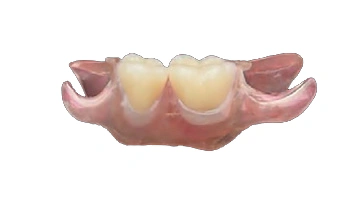
Tooth implants have transformed modern restorative dentistry. They offer patients a long-lasting, natural-looking solution for missing teeth. For dental professionals, delivering exceptional implant restorations starts with partnering with the right dental lab.
At Dentek Digital, we support dentists and dental practices across the Greater Phoenix, Arizona area with cutting-edge CAD/CAM implant restorations. Our team combines advanced digital technology with skilled craftsmanship. The result is precise, reliable restorations that dentists and their patients can count on.
Whether you serve patients in Phoenix, Scottsdale, Chandler, or Gilbert, understanding the full implant workflow matters. This guide covers everything dental professionals need to know about tooth implants and how a digital dental lab can elevate your results.
What Are Tooth Implants?
Tooth implants are titanium posts surgically placed into the jawbone. They act as artificial tooth roots. Over time, they fuse with the bone in a process called osseointegration.
Once integrated, a dental restoration — such as a crown, bridge, or denture — is attached to the implant. This creates a stable, functional replacement for a missing tooth. Additionally, implants help preserve jawbone structure and prevent facial changes over time.
Key Components of a Tooth Implant
Understanding implant anatomy helps dental professionals plan cases more effectively. There are three primary components to every tooth implant system.
- The implant fixture: The titanium post placed into the jawbone.
- The abutment: A connector piece that links the fixture to the restoration.
- The restoration: The crown, bridge, or prosthetic that patients see and use.
Each component must fit precisely. Therefore, the quality of the dental lab fabricating the restoration directly impacts the final outcome for the patient.
Why CAD/CAM Technology Elevates Implant Restorations
Traditional lab workflows relied heavily on manual processes. Today, digital CAD/CAM technology has revolutionized how implant restorations are designed and fabricated. As a result, dentists receive restorations with a higher level of accuracy and consistency.
CAD/CAM stands for Computer-Aided Design and Computer-Aided Manufacturing. This technology allows lab technicians to digitally design restorations and mill them from high-quality materials. For tooth implants specifically, this precision is critical.
Benefits of a Digital Workflow for Implants
Switching to a fully digital implant workflow delivers measurable advantages for dental practices. Here are some of the most significant benefits.
- Improved fit: Digital design reduces the margin for error significantly.
- Faster turnaround: CAD/CAM workflows streamline fabrication timelines.
- Material variety: Zirconia, PMMA, and titanium options are all available digitally.
- Fewer remakes: Greater precision means fewer adjustments at chairside.
- Better communication: Digital files make case communication cleaner and faster.
Furthermore, digital workflows support more predictable outcomes. Dental practices in Mesa and Tempe that embrace digital impressions and digital lab partnerships consistently report smoother case experiences.
Dentek Digital: A National Leader in Digital Dentistry
Dentek Digital was one of the earliest adopters of the digital CAD/CAM workflow in the country. We have built our reputation on precision, innovation, and dependable lab partnerships. Our Phoenix, Arizona facility serves dental professionals across the Greater Phoenix area and beyond.
We fabricate a wide range of dental restorations. Our solutions include fixed restorations, removables, splints and nightguards, and dental implants. Additionally, we offer advanced services such as TattooTH and digital implant planning.
Our Dental Implant Services
Our implant services are designed to support every stage of the restorative process. We work directly with dental professionals to ensure every restoration meets the highest standards.
- Implant crowns: Screw-retained and cement-retained options available.
- Implant bridges: Multi-unit restorations fabricated with digital precision.
- Full-arch restorations: Including implant-supported hybrid prosthetics.
- Digital implant planning: Supporting predictable surgical and restorative outcomes.
Moreover, our team stays current with the latest advancements in implant technology. We are committed to helping dental practices in Chandler, Gilbert, Scottsdale, and across Phoenix deliver outstanding patient care.
The Implant Restoration Workflow at Dentek Digital
Our process is designed to be straightforward and efficient for dental practices. First, the dentist captures a digital scan or submits traditional impressions. Next, our team reviews the case and begins the digital design phase.
Then, our skilled technicians mill or manufacture the restoration using high-quality materials. Finally, the finished restoration is carefully inspected before being shipped to the practice. Because of this thorough process, dentists receive restorations that are ready to deliver with confidence.
Digital Implant Planning
Digital implant planning is one of our most advanced service offerings. It allows dental professionals to map out the surgical and restorative phases before treatment begins. On the other hand, traditional planning relied on physical models and guesswork.
With digital planning, the entire implant journey becomes more predictable. This service is especially valuable for complex or full-arch cases. It supports better communication between the surgeon, restorative dentist, and lab team.
Choosing the Right Implant Materials
Material selection plays a critical role in implant restoration outcomes. Each material has its own strengths, and the right choice depends on the clinical situation. However, not all materials are created equal.
At Dentek Digital, we work with premium materials to ensure every restoration performs beautifully. Here is a brief overview of common implant restoration materials.
Zirconia
Zirconia is one of the most popular materials for implant crowns and bridges. It is extremely strong and highly biocompatible. Additionally, zirconia offers excellent aesthetics, making it ideal for anterior and posterior restorations alike.
Titanium
Titanium is widely used for custom abutments and certain implant-supported frameworks. It is known for its strength and long-term stability. Furthermore, titanium integrates exceptionally well with soft tissue and bone.
PMMA
PMMA, or polymethyl methacrylate, is commonly used for provisional implant restorations. It allows patients to wear a functional temporary while the final restoration is being fabricated. As a result, PMMA provisionals are an important part of many implant workflows.
Tips for Dental Practices Managing Implant Cases
Managing implant cases effectively requires attention at every stage. Here are some practical tips for dental professionals looking to streamline their implant workflow.
- Use digital impressions when possible: They reduce distortion and improve accuracy.
- Communicate clearly with your lab: Detailed prescriptions lead to better results.
- Plan restoratively first: Start with the end result in mind before surgery.
- Verify scan body compatibility: Ensure your implant system is supported by your lab.
- Build in time for try-ins: Especially for complex or full-arch cases.
In addition, maintaining a strong relationship with your dental lab makes case management much smoother. A trusted lab partner becomes an extension of your practice team.
Frequently Asked Questions About Tooth Implants and Digital Labs
What types of tooth implants does Dentek Digital support?
We support a wide range of implant systems and case types. Our services include single-unit crowns, multi-unit bridges, full-arch hybrids, and custom abutments. We work with many of the most common implant platforms used by dentists in the Phoenix area.
Can Dentek Digital assist with digital implant planning?
Yes. Digital implant planning is one of our advanced service offerings. It helps dental professionals plan both the surgical and restorative phases with greater predictability. This is especially helpful for complex cases involving multiple implants.
What materials are available for implant restorations at your lab?
We offer a variety of high-quality materials, including zirconia, titanium, and PMMA. Our team helps dental professionals select the best material based on the clinical requirements of each case. Moreover, we stay current with new material advancements as they emerge.
How does a digital workflow improve implant restoration quality?
A digital workflow improves accuracy from the impression stage through fabrication. CAD/CAM technology reduces human error and enables tighter tolerances. Therefore, the restorations we deliver are more consistent and require fewer chairside adjustments.
How do I get started with Dentek Digital for my implant cases?
Getting started is simple. You can reach out to our team directly to discuss your cases. We serve dental practices across Phoenix, Scottsdale, Mesa, Tempe, Chandler, Gilbert, and beyond. Our team is ready to support your implant workflow from start to finish.
Partner with Dentek Digital for Your Implant Restorations
Tooth implants represent one of the most impactful services a dental practice can offer patients. However, the quality of the final restoration depends greatly on the lab behind it. Choosing the right digital dental lab partner makes all the difference.
Dentek Digital brings decades of expertise, cutting-edge CAD/CAM technology, and a commitment to excellence to every case we handle. We are proud to serve dental professionals across the Greater Phoenix, Arizona area — including Mesa, Tempe, Scottsdale, Chandler, and Gilbert.
If you are ready to elevate your implant restorations, we are here to help. Contact Dentek Digital today to send us a case or request a consultation with our team. Let us show you what a true digital dental lab partnership can do for your practice and your patients.