
When patients lose a tooth, they want a solution that looks, feels, and functions like the real thing. Tooth implants have become the gold standard for tooth replacement across the country. Dentists in communities like Bexley, OH and throughout the Greater Phoenix, Arizona area are increasingly turning to digital dental labs to deliver the best possible results.
At Dentek Digital, we fabricate high-quality implant restorations using advanced CAD/CAM technology. Our workflow gives dentists precision, consistency, and speed. Furthermore, our restorations are designed to integrate seamlessly with implant systems from leading manufacturers.
In this post, we cover everything dental professionals need to know about tooth implants — from how they work to how a digital lab partnership can elevate your outcomes.
What Are Tooth Implants and How Do They Work?
Tooth implants replace a missing tooth from the root up. A titanium post is surgically placed into the jawbone. Over time, the post fuses with the bone in a process called osseointegration. Then, a custom restoration is placed on top to complete the smile.
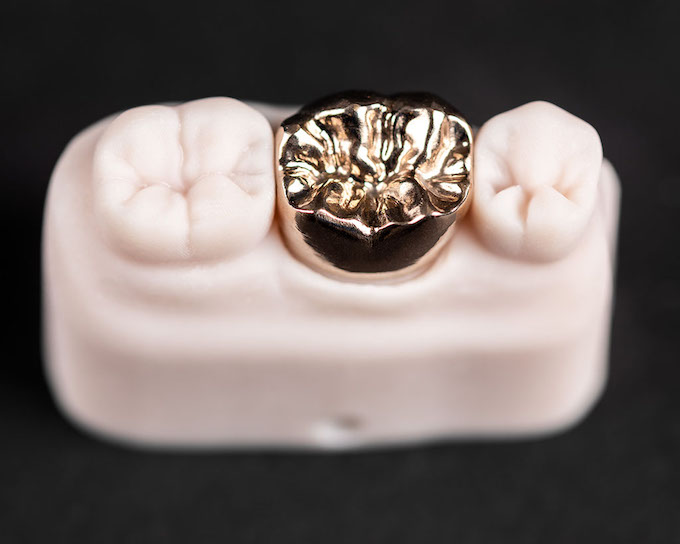
The restoration itself — the crown — is what a digital dental lab like Dentek Digital fabricates. We use CAD/CAM technology to design and mill each crown with exceptional precision. As a result, the fit is accurate and the aesthetics are natural-looking.
Additionally, the materials we use are durable and biocompatible. Options typically include zirconia and high-strength ceramic materials. These choices support both function and long-term patient satisfaction.
The Role of the Dental Lab in Implant Success
Many people focus on the surgical side of tooth implants. However, the lab-fabricated crown is equally important. A poorly fitting crown can compromise the entire restoration.
At Dentek Digital, we work closely with dental practices across the Greater Phoenix area, including those in Mesa, Chandler, Tempe, and Scottsdale. We treat every case as a partnership. Because of this, dentists can trust that each restoration meets the highest standards before it ever reaches the patient’s mouth.
Why Digital Dentistry Is Transforming Implant Restorations
Traditional dental lab methods relied heavily on manual processes. Digital dentistry has changed that entirely. Today, CAD/CAM workflows allow labs to design restorations with pinpoint accuracy using 3D digital scans.
Dentek Digital was one of the earliest adopters of digital CAD/CAM workflows in the country. We recognized early that digital technology would elevate the quality of every restoration we produce. Moreover, it would reduce turnaround times and eliminate many of the common fit issues that plagued analog methods.
For dentists, this means fewer remakes, fewer adjustments at the chair, and happier patients. That is a direct benefit of partnering with a lab that invests in technology.
How CAD/CAM Technology Improves Implant Crowns
CAD/CAM stands for computer-aided design and computer-aided manufacturing. In simple terms, digital scans replace traditional impressions. The lab uses software to design the crown and then mills it from a solid block of material.
This process produces restorations with tight tolerances and consistent quality. Additionally, digital files can be stored and referenced for future cases. For implant restorations specifically, marginal fit and occlusal accuracy are critical. CAD/CAM technology helps achieve both reliably.
Digital Implant Planning: An Advanced Service
Dentek Digital also offers digital implant planning as an advanced service. This gives dentists the ability to plan implant placement virtually before surgery begins. Therefore, the entire treatment process becomes more predictable.
Digital implant planning helps identify the ideal position for the implant post. It also supports better communication with the patient. As a result, treatment outcomes improve and surprises during surgery are minimized.
Types of Implant Restorations Dentek Digital Fabricates
Not every implant case is the same. Some patients need a single tooth replaced. Others need multiple teeth or a full arch restored. Dentek Digital fabricates a wide range of implant restorations to meet these varied needs.
Our implant solutions include single implant crowns, implant-supported bridges, and full-arch restorations. Furthermore, we fabricate both screw-retained and cement-retained options. We work with the specific implant system and components your practice uses.
Single Implant Crowns
A single implant crown replaces one missing tooth. It is one of the most common implant restorations we fabricate. The crown is custom-designed to match the shape, size, and shade of the surrounding natural teeth.
We use high-quality zirconia and ceramic materials for single implant crowns. These materials are strong, stain-resistant, and natural-looking. Additionally, they are well-suited for both anterior and posterior placements.
Implant-Supported Bridges
When a patient is missing multiple adjacent teeth, an implant-supported bridge is often the right solution. Two or more implants anchor the bridge in place. This eliminates the need for a removable partial denture in many cases.
Dentek Digital designs and mills implant-supported bridges with the same precision as single crowns. Moreover, we pay close attention to occlusion and aesthetics to ensure a seamless result. Dental practices in Gilbert and throughout the Phoenix metro rely on us for these complex cases.
Full-Arch Implant Restorations
Full-arch restorations, such as implant-supported dentures or All-on-X prosthetics, restore an entire arch of teeth. These cases require careful planning and precise fabrication. Therefore, choosing the right lab partner is critical.
At Dentek Digital, we have the technology and expertise to handle full-arch implant cases. We work collaboratively with dentists throughout the case planning process. Because of this, the final restoration fits well and functions as intended.
What Dentists Should Look for in a Digital Dental Lab
Choosing the right dental lab for implant restorations is an important decision. Not all labs offer the same level of technology, materials, or service. Here are a few key factors dental professionals should consider.
- Digital workflow capability: Look for a lab that uses CAD/CAM technology and accepts digital scans.
- Material quality: Ask about the specific materials used and their strength and aesthetic properties.
- Implant system compatibility: Confirm that the lab works with your specific implant system.
- Turnaround times: Fast, reliable turnaround supports better scheduling for your practice.
- Communication and support: A good lab partner communicates clearly and is responsive to your questions.
- Remake and adjustment rates: A quality lab should have low remake rates due to precision fabrication.
Dentek Digital checks every one of these boxes. We are proud to serve dental practices across the Greater Phoenix area, including those in Scottsdale, Mesa, Tempe, and Chandler. Our team is here to support you every step of the way.
Explore your options and contact Dentek Digital to discuss how we can support your implant cases with precision-crafted restorations.
TattooTH: An Innovative Service from Dentek Digital
In addition to our core implant restoration services, Dentek Digital offers TattooTH — an advanced and unique offering in the dental lab space. TattooTH allows for custom markings or identifiers to be applied to dental prosthetics. This can be especially useful for full-arch restorations and removable prosthetics.
This is just one example of how Dentek Digital combines technology with craftsmanship. We are constantly evolving our services to better support dental professionals. Furthermore, we are always looking for ways to add value to our lab partnership.
Frequently Asked Questions About Tooth Implants and Digital Labs
What is the difference between a tooth implant and a dental implant?
The terms are often used interchangeably. A dental implant refers to the titanium post placed in the jawbone. A tooth implant typically refers to the complete system — post, abutment, and crown. Both terms describe the same overall tooth replacement solution.
How does a digital dental lab improve the implant crown process?
A digital dental lab uses CAD/CAM technology to design and mill crowns with high precision. This reduces errors, improves fit, and shortens turnaround times. Additionally, digital files allow for easy case documentation and communication between the lab and dentist.
What materials does Dentek Digital use for implant crowns?
We primarily use high-strength zirconia and ceramic materials. These materials offer excellent durability and natural-looking aesthetics. Moreover, they are biocompatible and well-tolerated by patients.
Can Dentek Digital work with my specific implant system?
Yes. Dentek Digital works with a wide range of implant systems. We recommend reaching out to our team to confirm compatibility with your specific components. We are happy to discuss your case in detail before you send it.
How do I get started with Dentek Digital as my lab partner?
Getting started is simple. Contact our team to discuss your cases and workflow. We accept digital scans and work with dental practices across the Greater Phoenix area. Our team will guide you through the onboarding process and answer any questions you have.
Partner with Dentek Digital for Precision Implant Restorations
Tooth implants represent one of the most impactful restorations in modern dentistry. When the lab fabrication is precise and the materials are high quality, the results speak for themselves. That is exactly what Dentek Digital delivers.
We are a nationally recognized digital dental lab based in Phoenix, Arizona. We serve dental practices throughout the Greater Phoenix area, including those in Mesa, Tempe, Chandler, Gilbert, and Scottsdale. Our team combines cutting-edge CAD/CAM technology with skilled craftsmanship to produce reliable, beautiful restorations.
Whether you are restoring a single tooth or a full arch, we are ready to support your practice. Send us a case today and experience the Dentek Digital difference firsthand.