Accurate models dies are the foundation of every high-quality dental restoration. Without a precise model or die, even the most advanced digital workflow can fall short. That is why dentists in Troon North, AZ and across the Greater Phoenix area trust a reliable digital dental lab to get this step right.
At Dentek Digital, we combine cutting-edge CAD/CAM technology with skilled craftsmanship. Our team delivers models and dies that support accurate, well-fitting restorations every time. Furthermore, our digital workflow eliminates many of the errors associated with traditional analog processes.
Whether you are a solo practitioner in Troon North or part of a larger dental group near Scottsdale or Chandler, this guide will help you understand what great models and dies look like — and why they matter so much to your patients.
What Are Dental Models and Dies?
Dental models and dies are physical or digital replicas of a patient’s teeth and surrounding structures. They serve as the working foundation for fabricating crowns, bridges, veneers, and other restorations. Therefore, their accuracy directly impacts how well a restoration fits.
A model typically represents the full arch or a section of the mouth. A die is a precise replica of a single prepared tooth. Technicians use dies to mill, press, or hand-build the restoration with exact margins in mind.
Traditional vs. Digital Models and Dies
Traditional models come from physical impressions poured in stone or plaster. Digital models, on the other hand, come from intraoral scans processed through CAD/CAM software. Digital models offer greater consistency and are easier to store and retrieve.
Additionally, digital dies allow technicians to zoom in and inspect margins that may be difficult to see physically. This level of detail supports better outcomes for patients. As a result, more dental practices in the Greater Phoenix area are making the switch to digital workflows.
Why Precision Matters in Models and Dies
A poorly made model or die can cause a restoration to fit poorly. This can lead to open margins, rocking, or occlusal issues. Moreover, it often means remakes, which cost both the dentist and the patient valuable time.
Precision in models and dies is not just about aesthetics. It also affects the long-term success of the restoration. For example, a crown with an accurate marginal fit seals better and helps protect the underlying tooth structure.
The Role of CAD/CAM Technology
CAD/CAM dentistry has transformed how dental labs create models and dies. Digital scans are imported into design software, where technicians can manipulate every detail with precision. Furthermore, digital files can be shared instantly between the dental office and the lab.
This speed is especially valuable for practices in fast-growing communities like Gilbert, Chandler, and Scottsdale. Dentists in these areas serve busy patients who expect quick turnaround times. Because of this, our digital-first approach at Dentek Digital is a strong advantage for our partner practices.
How Dentek Digital Produces Superior Models and Dies
Dentek Digital was one of the earliest adopters of the digital CAD/CAM workflow in the country. Our process starts with your intraoral scan or physical impression. Then, we convert and optimize the data for fabrication in our state-of-the-art lab in Phoenix, Arizona.
Our technicians inspect every model and die before fabrication begins. We check margins, contacts, and occlusion at the digital stage. This proactive review helps us catch issues early and avoid costly remakes later.
Our Quality Control Process
First, our team reviews the incoming scan or impression for quality and completeness. Next, we build the digital model and isolate each die for review. Finally, our senior technicians approve every case before it moves to the fabrication stage.
This multi-step review process sets us apart from labs that rush through production. Additionally, our team communicates directly with the dental office if we see any concerns. We believe clear communication is just as important as technical skill.
Materials We Use for Models and Dies
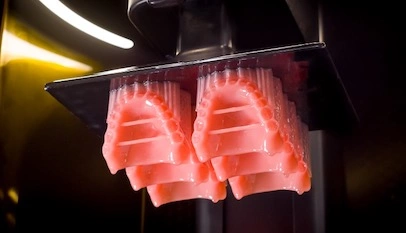
We use high-strength resins and advanced 3D printing materials for our digital models. These materials produce accurate, durable surfaces that support precise restoration fabrication. Moreover, they perform consistently across a wide range of case types.
For practices sending physical impressions, we use premium die stone to ensure dimensional stability. Our materials are selected for accuracy, not just cost. However, we also work efficiently to keep turnaround times competitive for our partner practices.
Services Available to Troon North and Greater Phoenix Dentists
Dentek Digital serves dental practices throughout the Greater Phoenix area. This includes communities like Troon North, Scottsdale, Mesa, and Tempe. Our full range of services supports every phase of the restorative process.
In addition to models and dies, we fabricate crowns, bridges, veneers, implant restorations, removables, splints, and nightguards. We also offer advanced services like TattooTH and digital implant planning. As a result, your practice can rely on one trusted lab partner for nearly everything you need.
Fixed Restorations Supported by Accurate Models
Our fixed restoration products depend heavily on the quality of our models and dies. Crowns, bridges, and inlays all require a precise working die to fit correctly. Therefore, investing in accurate models at the start of the process pays off in fewer remakes and happier patients.
Dentists in Troon North and the surrounding Scottsdale area know that their patients have high expectations. Our models and dies help you meet those expectations consistently. Furthermore, our digital records make it easy to revisit a case if any adjustments are needed down the road.
Digital Workflow Integration for Phoenix-Area Practices
Many practices in the Greater Phoenix area are transitioning to fully digital workflows. We make that transition easy. For example, we accept scans from all major intraoral scanning platforms, including common systems used in Chandler, Tempe, and Mesa offices.
Our team can also guide you through the scanning protocol that works best for your specific cases. Additionally, we provide support for practices that are still using traditional impression techniques. We meet you where you are and help you grow.
Tips for Sending Better Cases to Your Dental Lab
The quality of your models and dies starts with the quality of your impressions or scans. Here are a few best practices to keep in mind:
- Capture clean margins: Retract tissue carefully and ensure the preparation margin is fully visible in the scan or impression.
- Check for voids: Review your impression or scan before sending it. Voids or distortions in critical areas can compromise die accuracy.
- Include a full opposing arch: A complete opposing arch helps our technicians dial in occlusion and contacts precisely.
- Provide a bite registration: A clear, undistorted bite registration helps us articulate the case correctly.
- Communicate special instructions: If your patient has unique anatomy or occlusal concerns, let us know on the case form. We appreciate every detail you can share.
Following these steps will help Dentek Digital produce the most accurate models and dies possible for your cases. Moreover, it reduces the chance of remakes and keeps your schedule on track. Contact Dentek Digital to discuss your next case and explore how our digital workflow can support your practice.
Frequently Asked Questions About Models and Dies
What is the difference between a dental model and a die?
A dental model represents a full arch or partial arch of a patient’s mouth. A die is a precise replica of a single prepared tooth. Technicians use dies to fabricate individual restorations with accurate margins.
Can I send digital scans instead of physical impressions?
Yes. Dentek Digital accepts digital scans from all major intraoral scanning systems. In fact, digital scans often produce more consistent results than traditional impressions. However, we also accept physical impressions for practices that are not yet fully digital.
How does CAD/CAM technology improve model and die accuracy?
CAD/CAM software allows technicians to inspect and manipulate digital models with extreme precision. Additionally, digital files eliminate dimensional changes that can occur when pouring stone models. As a result, the final restoration is more likely to seat correctly at delivery.
Do you serve dental practices outside of Troon North?
Absolutely. We serve dental practices throughout the Greater Phoenix area, including Scottsdale, Mesa, Chandler, Tempe, and Gilbert. Furthermore, we work with practices across Arizona and nationally. Our digital workflow makes it easy to collaborate regardless of your location.
What types of restorations rely on your models and dies?
Our models and dies support a wide range of fixed restorations, including crowns, bridges, inlays, onlays, and veneers. They also support implant restorations and other complex cases. Therefore, accurate models and dies are essential across nearly every restorative case type we handle.
Partner With a Digital Dental Lab You Can Trust
Choosing the right dental lab partner is one of the most important decisions you make for your practice. Accurate models dies are the starting point for every successful restoration. At Dentek Digital, we take that responsibility seriously.
Our team brings together advanced CAD/CAM technology and experienced dental technicians. Together, we deliver models and dies that support precise, well-fitting restorations for your patients. Additionally, we back our work with clear communication and responsive service.
We are proud to serve Troon North, Scottsdale, Chandler, Mesa, Tempe, and dental practices throughout the Greater Phoenix area. Whether you are an established partner or exploring working with us for the first time, we welcome the conversation. Reach out to the Dentek Digital team today and let us show you what a true digital lab partnership looks like.