
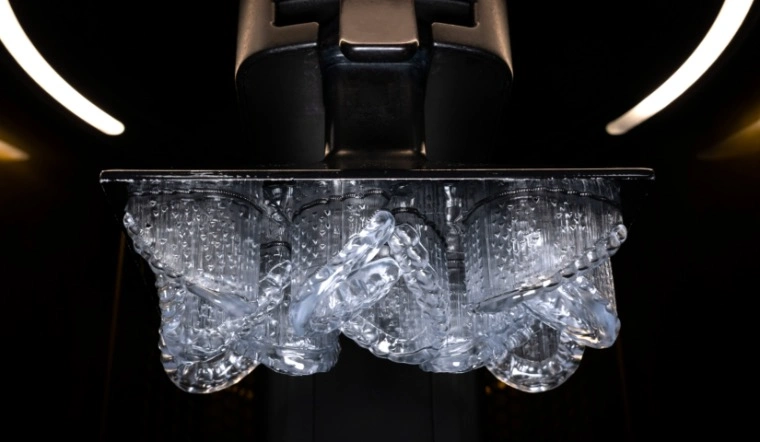
Dental implant technology continues to advance at a rapid pace. Ti base implant restorations have become one of the most reliable solutions available for implant-supported crowns today. They offer exceptional fit, durability, and esthetic results that both dentists and patients appreciate.
At Dentek Digital, we fabricate high-quality ti base implant restorations using advanced CAD/CAM technology. Our digital workflow delivers precision that traditional methods simply cannot match. We proudly support dental practices across the Greater Phoenix area, including communities like Scottsdale, Chandler, Mesa, and Gilbert.
In this post, we break down everything you need to know about ti base implant restorations. Whether you are exploring implant options or expanding your practice’s offerings, this guide is for you.
What Are Ti Base Implant Restorations?
A ti base is a titanium interface component used in implant restorations. It connects the implant fixture in the bone to the final crown on top. Because of this, it serves as a critical link in the restoration chain.
Ti bases are typically paired with a zirconia or ceramic crown that is bonded or milled directly onto them. The result is a strong, esthetic, and precisely fitting restoration. Furthermore, this approach allows for highly customized restorations tailored to each patient’s unique anatomy.
How Ti Bases Differ from Traditional Abutments
Traditional abutments are often stock components that require adjustment chairside. Ti bases, on the other hand, work with a digitally designed suprastructure milled in the lab. This means the crown and base combination is engineered for an exact fit before it ever reaches the dental office.
Additionally, ti bases offer flexibility across a wide range of implant systems. Most major implant brands have compatible ti base components. Therefore, they integrate smoothly into many different clinical workflows.
Materials Used in Ti Base Restorations
The titanium base itself is biocompatible and corrosion-resistant. The suprastructure — the crown portion — is commonly made from high-strength zirconia. Moreover, some cases may use lithium disilicate or other pressed ceramics for enhanced esthetics.
At Dentek Digital, we use premium-grade materials sourced from trusted manufacturers. Our CAD/CAM milling equipment ensures every restoration meets strict dimensional accuracy standards. As a result, the final product fits precisely and performs reliably long-term.
Why Dentists Choose Ti Base Implant Restorations
Ti base restorations offer several meaningful advantages for dental practices. First, they simplify the implant restoration process significantly. The lab handles the complex fabrication, so the clinical team can focus on patient care.
Additionally, ti base restorations reduce the number of components involved in the restoration process. Fewer parts mean fewer potential failure points. Therefore, both dentists and patients benefit from a more streamlined and dependable solution.
Precision Through Digital Fabrication
Digital fabrication is at the heart of what makes ti base restorations so effective. At Dentek Digital, we use an entirely digital CAD/CAM workflow. This allows us to design and mill restorations with sub-micron accuracy.
We work from digital impressions or STL files sent directly by the dental practice. Because of this, there is no distortion from traditional impression materials. The result is a restoration that fits the implant interface and the patient’s bite with exceptional precision.
Dental practices in Scottsdale, Mesa, Gilbert, and Chandler rely on our digital workflow to deliver consistent, high-quality results. Furthermore, our turnaround times support efficient scheduling and patient satisfaction at the practice level.
Esthetic and Functional Benefits
Ti base restorations are not just functional — they are also highly esthetic. The zirconia suprastructure can be layered or fully contoured to match surrounding natural teeth. Additionally, the titanium base eliminates the risk of metal show-through at the gum line that can occur with all-metal abutments.
For patients in the anterior zone, this is especially important. A natural-looking emergence profile supports a healthy, esthetic tissue response. Moreover, a well-designed ti base restoration mimics the contour of a natural tooth root, promoting proper soft tissue architecture.
The Dentek Digital Fabrication Process
Our process begins the moment we receive your case files. We review the scan data and case details carefully before designing begins. Then, our skilled technicians use industry-leading CAD software to design the restoration.
Next, we mill the suprastructure using high-performance zirconia blanks or other selected materials. The ti base is then prepared and bonded or connected to the milled crown according to the case specifications. Finally, every restoration goes through a thorough quality inspection before it ships.
Sending Us a Case Is Simple
We have designed our case submission process to be fast and straightforward. Dental practices can submit digital files, impressions, or models depending on their workflow. Additionally, our team is always available to answer questions about case requirements or material selection.
We support practices at every stage of the digital transition. Whether your office is fully digital or still using traditional methods, we can accommodate your workflow. Because of this, partnering with Dentek Digital is a practical step for any practice looking to improve their implant restoration outcomes.
Ready to get started? Contact Dentek Digital to send us your next case and experience the difference that precision digital fabrication makes.
CAD/CAM Technology and Its Role in Implant Restorations
CAD/CAM stands for Computer-Aided Design and Computer-Aided Manufacturing. These technologies work together to design and mill dental restorations with high accuracy. As a result, they have transformed how dental labs like Dentek Digital produce implant components.
We were among the earliest adopters of the full digital CAD/CAM workflow in the country. This experience gives our team a deep understanding of the technology and its capabilities. Furthermore, it allows us to continuously refine our processes as the technology evolves.
Why Digital Workflows Outperform Analog Methods
Traditional analog workflows rely heavily on manual steps that introduce variability. Each handoff — from impression to pour to wax-up — carries risk of error. In contrast, digital workflows maintain consistency from design to milling.
Additionally, digital records are easy to store and retrieve. If a restoration needs adjustment or a remake, the original design file is available immediately. Therefore, the process is not only more accurate but also more efficient for the dental practice.
How Dentek Digital Stays Ahead of the Curve
We invest continuously in the latest CAD/CAM equipment and materials. Our team trains regularly on emerging techniques and technologies. Moreover, we collaborate closely with dental professionals to understand their evolving needs.
This commitment to innovation is why dental practices across Greater Phoenix — including those in Mesa, Chandler, Gilbert, and Scottsdale — trust Dentek Digital for their most demanding cases. We combine technology with craftsmanship to deliver restorations that perform and look exceptional.
Tips for Dentists Working with Ti Base Restorations
Getting the best results from ti base restorations starts with proper case planning. Here are a few practical tips to help your practice achieve consistent outcomes:
- Submit accurate scan data: A high-quality digital impression is the foundation of a precise restoration. Take time to capture clean, complete scan files.
- Communicate emergence profile goals: Share your tissue management photos and notes with the lab. This helps us design an emergence profile that supports healthy tissue response.
- Confirm implant system compatibility: Always verify that the ti base is compatible with the specific implant system used. Our team can help confirm compatibility before fabrication begins.
- Plan occlusion carefully: Provide accurate bite registration data. Proper occlusal design is essential for long-term restoration success.
- Communicate esthetic goals clearly: Include shade information and, when possible, reference photos. This ensures the final restoration meets your patient’s expectations.
Following these steps helps reduce remakes and chairside adjustments. Additionally, clear communication with the lab leads to faster turnaround and better outcomes overall.
Frequently Asked Questions About Ti Base Implant Restorations
What implant systems are compatible with ti bases?
Most major implant brands offer compatible ti base components. These include widely used systems from leading manufacturers. However, compatibility varies by implant diameter and platform, so always confirm before placing your order.
Can ti base restorations be used in the anterior zone?
Yes. Ti base restorations are well-suited for anterior cases. The zirconia suprastructure offers excellent esthetics, and the titanium base supports a healthy emergence profile. Additionally, the all-ceramic appearance eliminates visible metal at the gum line.
How do I send a ti base case to Dentek Digital?
You can submit your case through our online case submission portal. We accept digital STL files, traditional impressions, and models. Our team will reach out if any additional information is needed before fabrication begins.
What materials does Dentek Digital use for ti base suprastructures?
We primarily use high-strength zirconia for ti base suprastructures. However, we also work with lithium disilicate and other premium ceramics depending on the case requirements. Our team can help you select the best material for each specific situation.
How long does fabrication typically take?
Turnaround times vary depending on case complexity and current lab volume. However, our digital workflow is designed for efficiency. Contact our team directly for current turnaround estimates and rush case options.
Partner with Dentek Digital for Your Implant Restoration Needs
Ti base implant restorations represent one of the most sophisticated and reliable solutions in modern implant dentistry. When fabricated with precision and care, they deliver outstanding results for dentists and patients alike. Dentek Digital brings together advanced CAD/CAM technology and expert craftsmanship to make that possible.
We serve dental practices across the Greater Phoenix area, including Scottsdale, Mesa, Chandler, and Gilbert. Our team is committed to supporting your practice with high-quality restorations and responsive service. Furthermore, we are always available to consult on complex cases or new implant restoration workflows.
If you are ready to elevate your implant restoration results, we are here to help. Reach out to our team today to discuss your next case and discover what precision digital fabrication can do for your practice and your patients.