
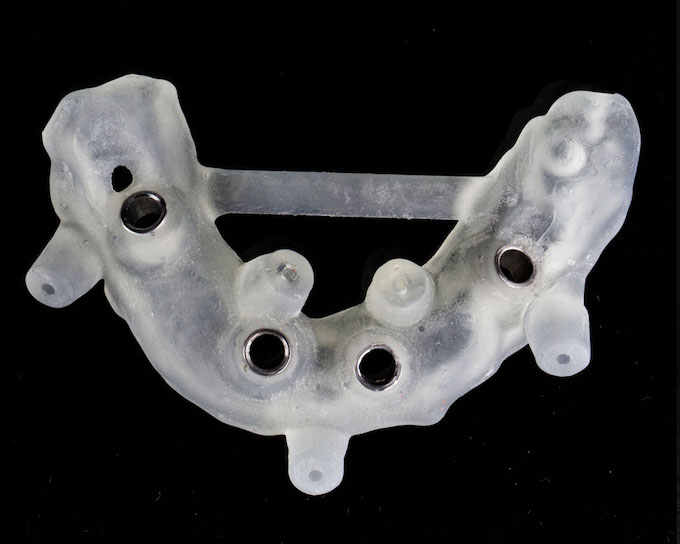
When a patient needs to replace a single missing tooth, the restoration must do more than just fill a gap. It needs to look natural, fit precisely, and last for years. Single unit implant crowns are one of the most effective solutions available in modern dentistry. They sit on top of a dental implant and restore full function and aesthetics to the patient’s smile.
At Dentek Digital, we fabricate single unit implant crowns using advanced CAD/CAM technology. Our digital workflow allows us to deliver restorations with exceptional precision. We proudly support dentists and dental practices across the Greater Phoenix, Arizona area — including communities like Mesa, Scottsdale, Chandler, and Tempe.
In this post, we’ll walk through what makes a high-quality implant crown, how the digital fabrication process works, and what dentists should look for in a dental lab partner.
What Are Single Unit Implant Crowns?
A single unit implant crown is a custom-made dental restoration. It is designed to attach to a single dental implant post that has been surgically placed in the jawbone. The crown replaces the visible portion of the missing tooth above the gumline.
These restorations are not one-size-fits-all. Each crown must be carefully designed to match the patient’s bite, adjacent teeth, and gum anatomy. Furthermore, the crown must integrate precisely with the implant abutment to ensure long-term stability.
How Implant Crowns Differ from Traditional Crowns
Traditional crowns are cemented or bonded onto a natural tooth structure. Implant crowns, on the other hand, connect to a titanium implant. This changes how the restoration is designed and fabricated.
For example, the margin and emergence profile of an implant crown must account for soft tissue contours. Additionally, the occlusal design must distribute bite forces appropriately across the implant. Because of this, implant crowns require a higher level of precision during the fabrication process.
The CAD/CAM Advantage in Implant Crown Fabrication
CAD/CAM stands for Computer-Aided Design and Computer-Aided Manufacturing. This technology allows dental labs to design restorations digitally and mill them from high-quality materials with remarkable accuracy. As a result, the final restoration fits better and requires fewer adjustments chairside.
Dentek Digital was one of the earliest adopters of the CAD/CAM digital workflow in the country. We have built our entire fabrication process around this technology. Therefore, every single unit implant crown we produce benefits from this advanced approach.
Digital Scanning and Design
The process typically begins with a digital scan from the treating dentist. Most modern practices in Phoenix, Scottsdale, and surrounding communities now use intraoral scanners. These scans eliminate the need for traditional impressions in many cases.
Next, our technicians import the scan data into our CAD software. We then design the crown digitally, carefully shaping the anatomy, margins, and contacts. This digital step gives us the ability to make precise adjustments before a single block of material is touched.
Milling and Finishing
Once the design is approved, our milling machines fabricate the crown from a high-quality material block. We work with a range of materials, including zirconia and lithium disilicate, depending on the clinical case requirements. After milling, our skilled technicians refine and finish the restoration by hand.
This combination of technology and craftsmanship is what sets Dentek Digital apart. Moreover, it ensures that every crown we deliver meets the highest standards of fit, function, and aesthetics.
Material Options for Single Unit Implant Crowns
Choosing the right material is critical for a successful implant crown. The material affects strength, appearance, and long-term performance. Therefore, it’s important for dentists to understand their options before submitting a case.
Zirconia
Zirconia is one of the most popular materials for implant crowns today. It is extremely strong and highly resistant to chipping and fracture. Additionally, modern high-translucency zirconia offers excellent aesthetic results, even in anterior cases.
For posterior implant crowns in patients with heavy bite forces, zirconia is often the preferred choice. It handles occlusal load well over time. Meanwhile, its white color and optical properties allow it to blend naturally with surrounding teeth.
Lithium Disilicate
Lithium disilicate, often known by the brand name e.max, is a glass-ceramic material prized for its lifelike appearance. It allows light to pass through in a way that closely mimics natural tooth enamel. For this reason, it is a strong choice for anterior implant crowns where aesthetics are the top priority.
However, lithium disilicate is generally not recommended for areas of high occlusal stress. The treating dentist should evaluate the patient’s bite and parafunctional habits before selecting this material.
Layered and Monolithic Options
Both zirconia and lithium disilicate can be fabricated as monolithic restorations — meaning they are milled from a single block. Alternatively, they can be layered with porcelain for additional aesthetic detail. Our technicians at Dentek Digital can help guide material selection based on the clinical scenario.
What Dentists Should Send to the Lab
A high-quality implant crown starts with accurate information from the treating dentist. The better the case submission, the better the final result. Here is what we recommend including when submitting a single unit implant crown case:
- Digital scan or physical impressions of the implant site, opposing arch, and bite registration
- Implant scan body or analog information identifying the implant system and platform size
- Shade selection with photos when possible, especially for anterior cases
- Material preference or a request for a lab recommendation based on the case
Occlusal and contact preferences, including any notes on the patient’s bite
When dentists in Mesa, Chandler, Tempe, and across the Phoenix metro submit complete case information, our team can fabricate the restoration efficiently and accurately. In addition, thorough case details reduce the likelihood of remakes or adjustments.
Why Dentek Digital Is a Trusted Lab Partner
Dental practices across the Greater Phoenix area rely on Dentek Digital for consistent, high-quality restorations. We have built our reputation on a commitment to precision, communication, and turnaround reliability. Furthermore, our investment in the latest CAD/CAM technology means our capabilities continue to evolve alongside digital dentistry.
We understand that every case we receive represents a real patient with real expectations. Therefore, we treat every single unit implant crown with the same level of care and attention — whether it’s a straightforward posterior case or a complex aesthetic anterior restoration.
Advanced Services Beyond Implant Crowns
In addition to implant crowns, Dentek Digital offers a broad range of dental lab services. These include fixed restorations, removables, splints and nightguards, and full-arch implant solutions. We also offer TattooTH and digital implant planning services for practices looking to integrate more advanced workflows.
Our goal is to be a full-service digital lab partner for every dental practice we serve. As a result, practices don’t need to work with multiple labs for different restoration types.
Frequently Asked Questions About Single Unit Implant Crowns
What implant systems does Dentek Digital work with?
We work with a wide range of major implant systems. When submitting a case, simply include the implant brand, system, and platform size. Our team will confirm compatibility and select the appropriate components for your case.
Do you accept digital scans instead of physical impressions?
Yes. We strongly encourage digital submissions whenever possible. Digital scans from intraoral scanners are compatible with our CAD/CAM workflow. They also tend to improve accuracy compared to traditional impressions.
How long does it take to receive a finished implant crown?
Turnaround time varies depending on the case complexity and material selected. However, our team works efficiently to meet your scheduling needs. Contact us directly to discuss turnaround expectations for your specific case.
What if a crown needs to be adjusted after delivery?
We stand behind the quality of every restoration we fabricate. If an issue arises, we encourage dentists to reach out to our team directly. We will work with you to find a prompt solution.
Can Dentek Digital help me choose the right material for a case?
Absolutely. Our experienced technicians are happy to consult on material selection based on the clinical details of your case. Simply include your case notes and we’ll provide a recommendation that suits the patient’s needs.
Partner with Dentek Digital for Your Implant Cases
Delivering exceptional single unit implant crowns requires the right lab partner. Dentek Digital combines cutting-edge CAD/CAM technology with skilled craftsmanship to produce restorations that fit well, look natural, and stand the test of time. We are proud to serve dental practices throughout Phoenix, Mesa, Scottsdale, Chandler, Tempe, and beyond.
If you’re ready to elevate the quality of your implant restorations, we’d love to connect with you. Contact Dentek Digital today to send us a case or request a consultation with our team. Let’s work together to deliver the best possible outcomes for your patients.